
A blog about Dabke
-
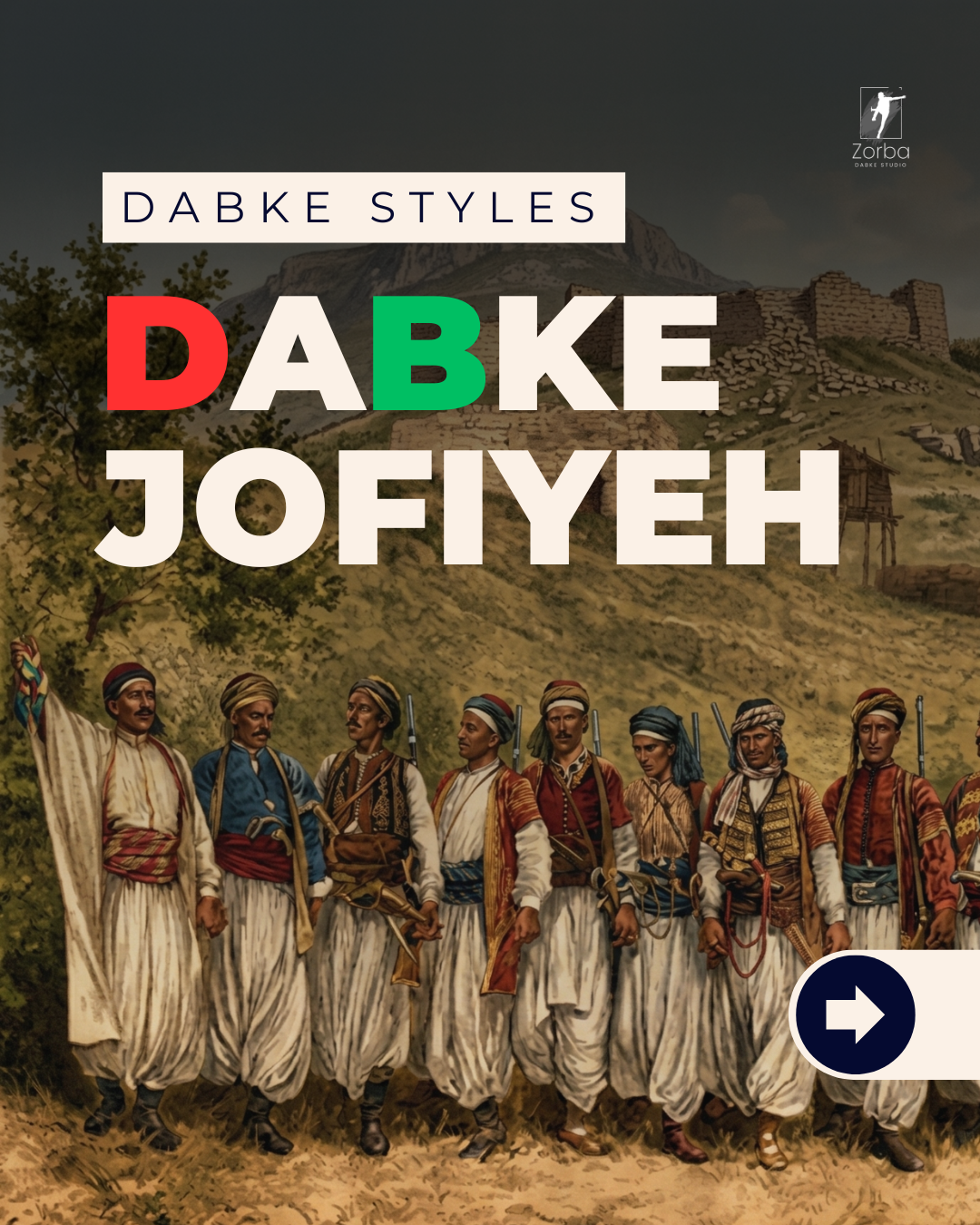
Dabke Jofiyeh | دبكة جوفية
Dabke Jofiyeh Historical Background and Cultural Role Dabke Jofiyeh is one of the most prominent traditional dances across the Horan region, including the plains, mountainous villages, Al-Lajat, and the Golan Heights. The dance occupies an important place in social life and is commonly performed during weddings, national celebrations, and community gatherings. In many villages of…
-
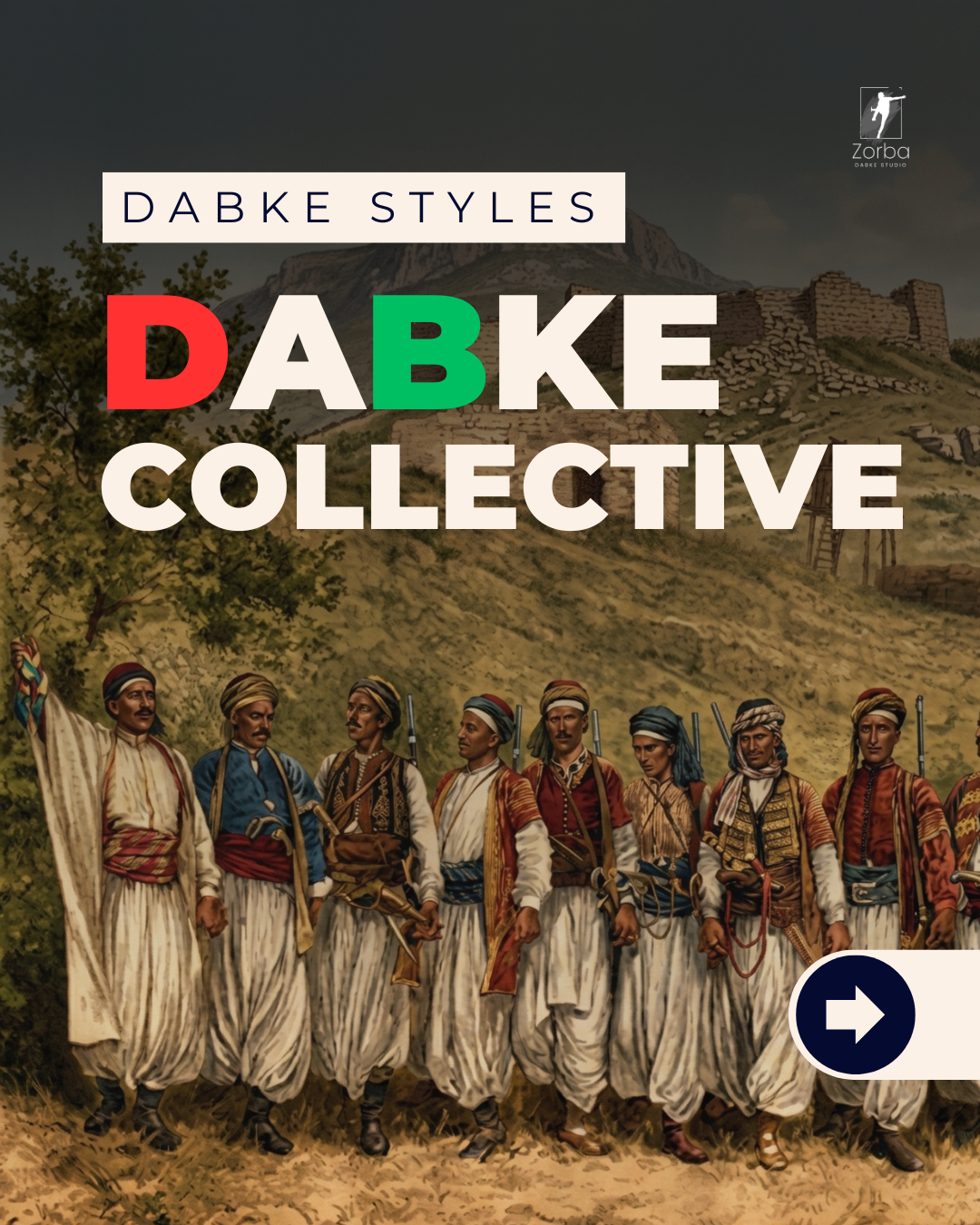
Collective Dabke | دبكة الجماعية
Collective Dabke (Ad-Dabka al-Jama’iyya): Formation, Tradition, and Cultural Meaning – Research by Zorba Academy Collective Dabke (Ad-Dabka al-Jama’iyya) refers to the traditional form of Levantine folk dance performed by a group of dancers moving together in synchronized formations, usually arranged in a line, curve, or circle. While most dabke styles are inherently collective, the term…
-

Baalbeki Zaffe Explained: Dabke, Drums, Mijwiz, Sword and Wedding Traditions
Short answer: A Baalbeki Zaffe is a Lebanese wedding entrance shaped by the strong folk identity associated with Baalbek and the Bekaa. It can combine powerful live drums, Dabke, mijwiz, traditional singing, wedding chants, sword performance, family participation, and other heritage elements to lead and celebrate the bride and groom. What makes it distinctive is…
-
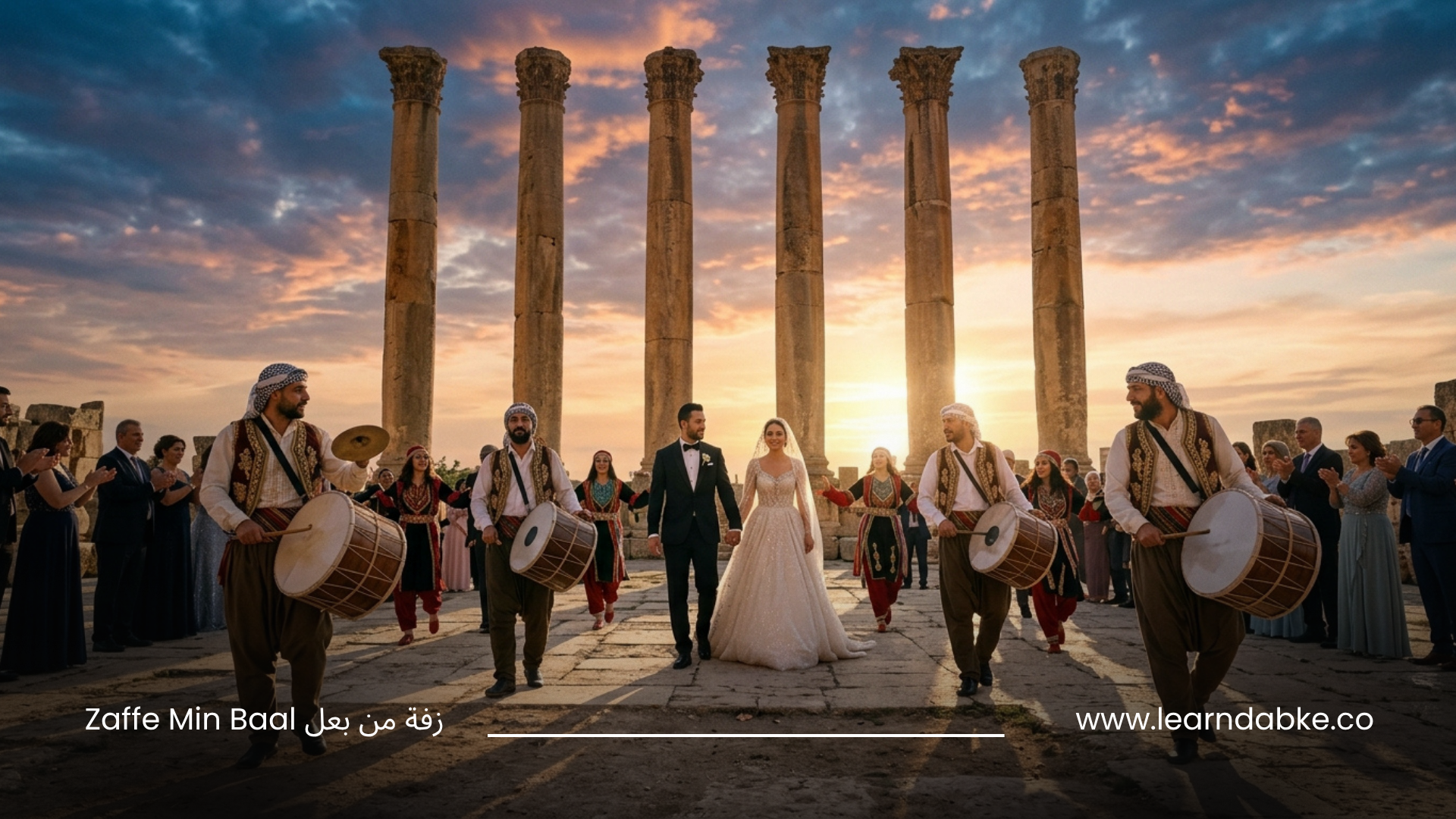
Lebanese Zaffe Songs and Wedding Entrance Music: How to Choose the Right Music for Your Entrance
Short answer: The best Lebanese Zaffe music is not simply the most popular wedding song. It is music that matches the couple, the Zaffe style, the performers, and the movement of the entrance. Traditional Lebanese Zaffe often relies heavily on live drums, chanting, mijwiz, and Dabke rhythm, while modern entrances may combine those elements with…
-
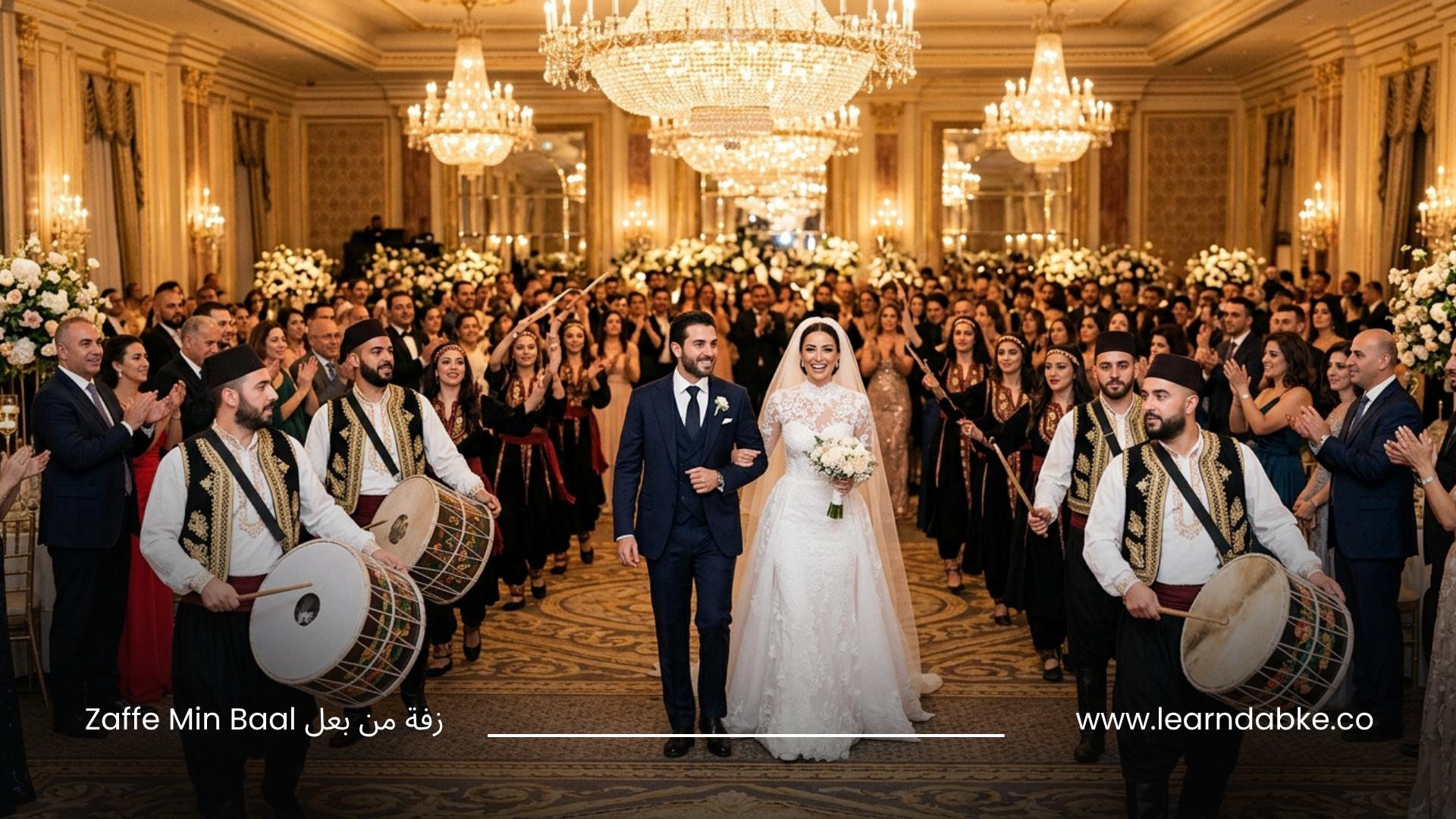
How Much Does a Lebanese Zaffe Cost in Lebanon? 2026 Price Guide
Short answer: A Lebanese zaffe in Lebanon usually costs [INSERT PRICE RANGE], depending on the number of performers, style, instruments, add-ons, venue location, and wedding date. A small zaffe with drummers is usually more affordable, while a full Baalbek-style zaffe with dancers, tabl, mijwiz, sword performers, and custom entrance coordination costs more. If you are…
-
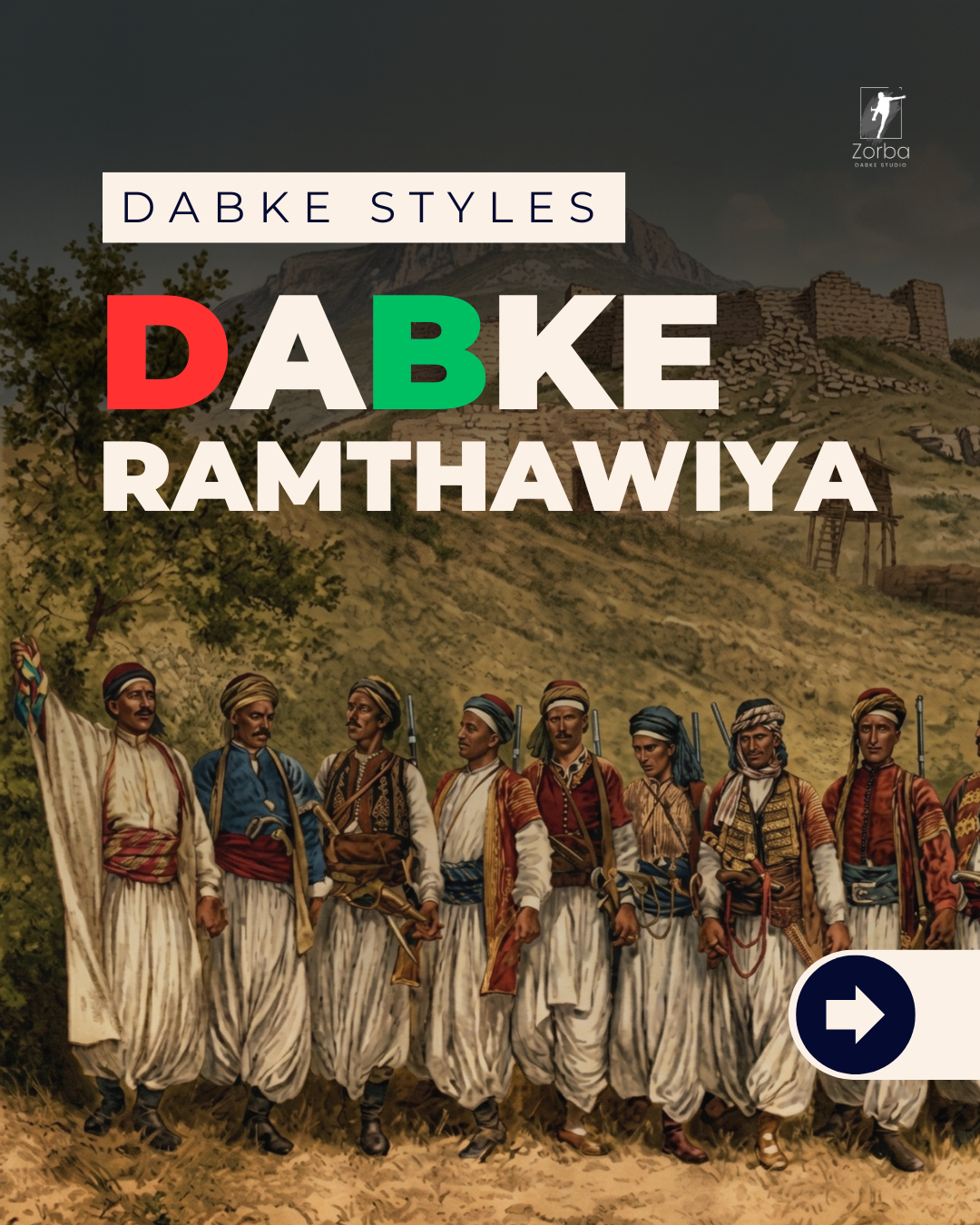
Dabke Ramthawiya | دبكة رمثاوية
Dabke Ramthawiya: The Energetic Dabke of Northern Jordan Dabke Ramthawiya (الدبكة الرمثاوية) is a prominent Jordanian folk dance associated with the city of Ramtha in northern Jordan. It is known for its fast rhythm, energetic movements, and enthusiastic atmosphere, which symbolize strength, courage, and communal pride. The dance reflects the historical traditions of the region,…
-
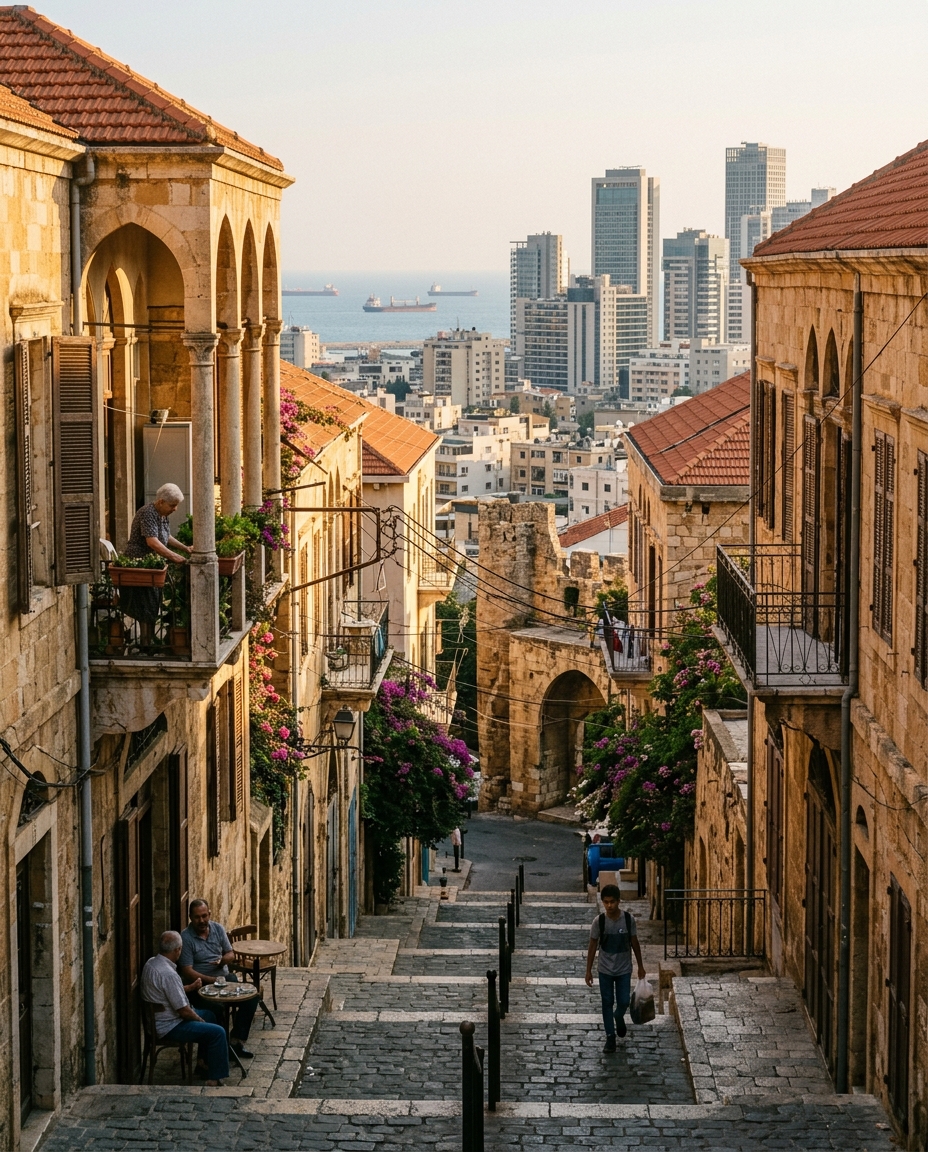
Beirut: The City That Kept Being Reborn
From Phoenician harbour to Roman law school, Ottoman port, Arab cultural capital, and the city that keeps rebuilding itself There may be no city in Lebanon that has accumulated more labels than Beirut. It has been called the Paris of the Middle East. The intellectual capital of the Arab world. A Mediterranean port. A merchant…
-

The Tabl Baladi: The Complete Guide to the Drum of Dabke
Few sounds announce a Dabke as unmistakably as the first heavy strike of a large drum. Before the line accelerates, before the leader begins to improvise, and sometimes even before the dancers have joined hands, the drum establishes the pulse that everyone can hear and feel. In Lebanese, Palestinian, Syrian, Jordanian, and wider Levantine celebrations,…
-

Zahlé, Lebanon: The Story of the City of Wine, Poetry, and the Berdawni
How a settlement between mountain and valley became one of Lebanon’s great market towns, a home of wine and poetry, and a city whose identity still lives around the table. There are Lebanese cities you understand through their monuments. Zahlé is understood through movement. Water moving down from Sannine through the Berdawni. Merchants once moving…
-
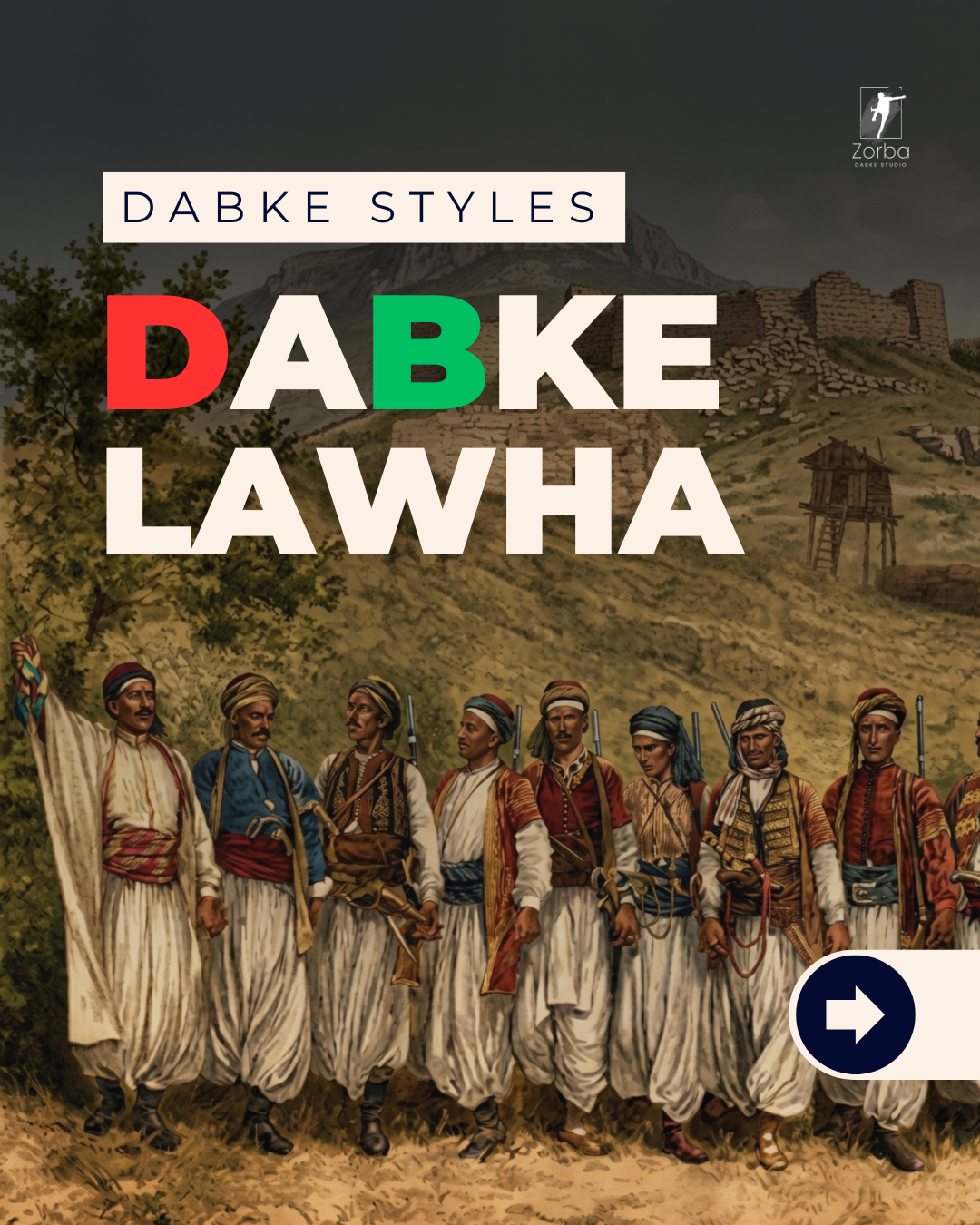
Dabke Lawha | دبكة اللوحة
Dabke Al-Lawha: Origin, Structure, and Cultural Role – Research by Zorba Academy Dabke Al-Lawha is recognized as one of the eight fundamental types of traditional Syrian dabke, a classification documented by the Homsi poet and researcher Wajih Wehbe al-Khoury in his studies on Syrian folk dance traditions. This form of dabke is particularly associated with…
Got any questions?