
A blog about Dabke
-
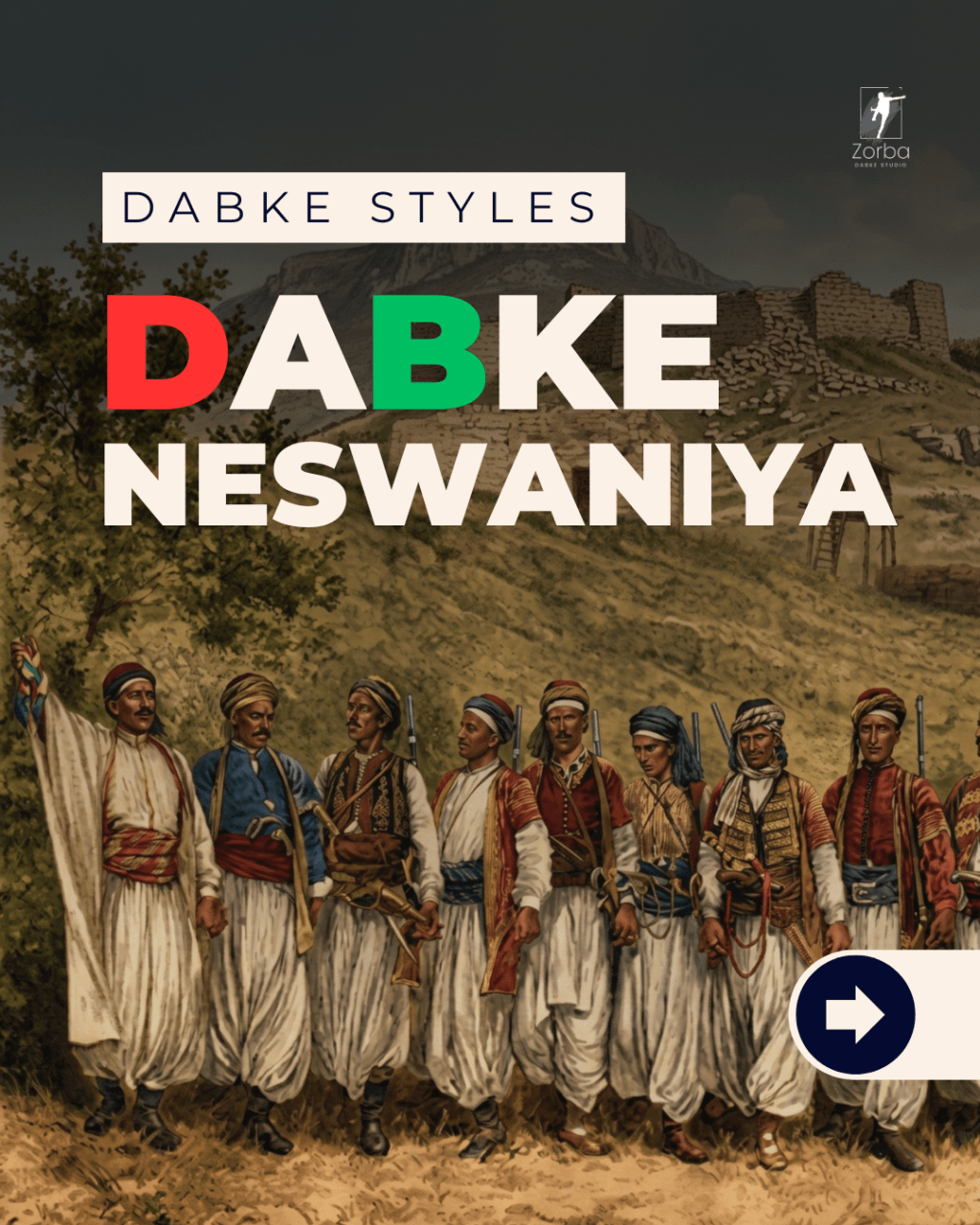
Dabke Neswaniya | دبكة نسوانية
Dabke Neswaniya (Women’s Dabke) Origin and Cultural Context Dabke Neswaniya (Women’s Dabke) is a traditional collective dance originating from the Horan region of southern Syria. While the formation resembles the men’s Horani dabke line, the defining element of this style is its strong vocal tradition. Women perform the dance while engaging in collective singing, often…
-
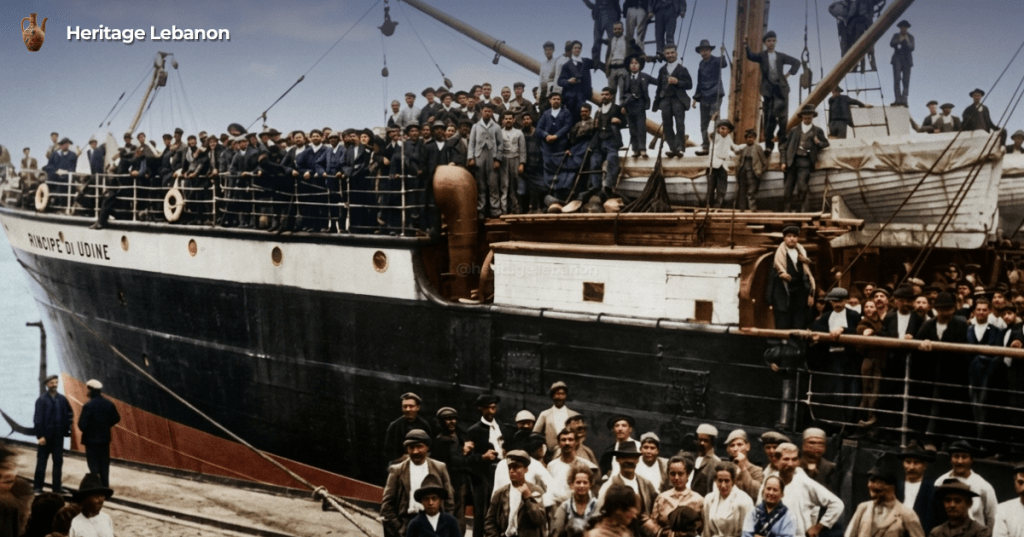
Lebanese Emigration to the Americas: The Full Story of How Lebanon Reached Brazil, Argentina, and the New World
From Mount Lebanon’s villages to the ports of Buenos Aires, Santos, New York, and beyond, this is the history of how Lebanese migration became one of the most important stories in modern Lebanese identity. When people speak about Lebanese emigration to the Americas, they often tell it as a simple story of departure: people left,…
-
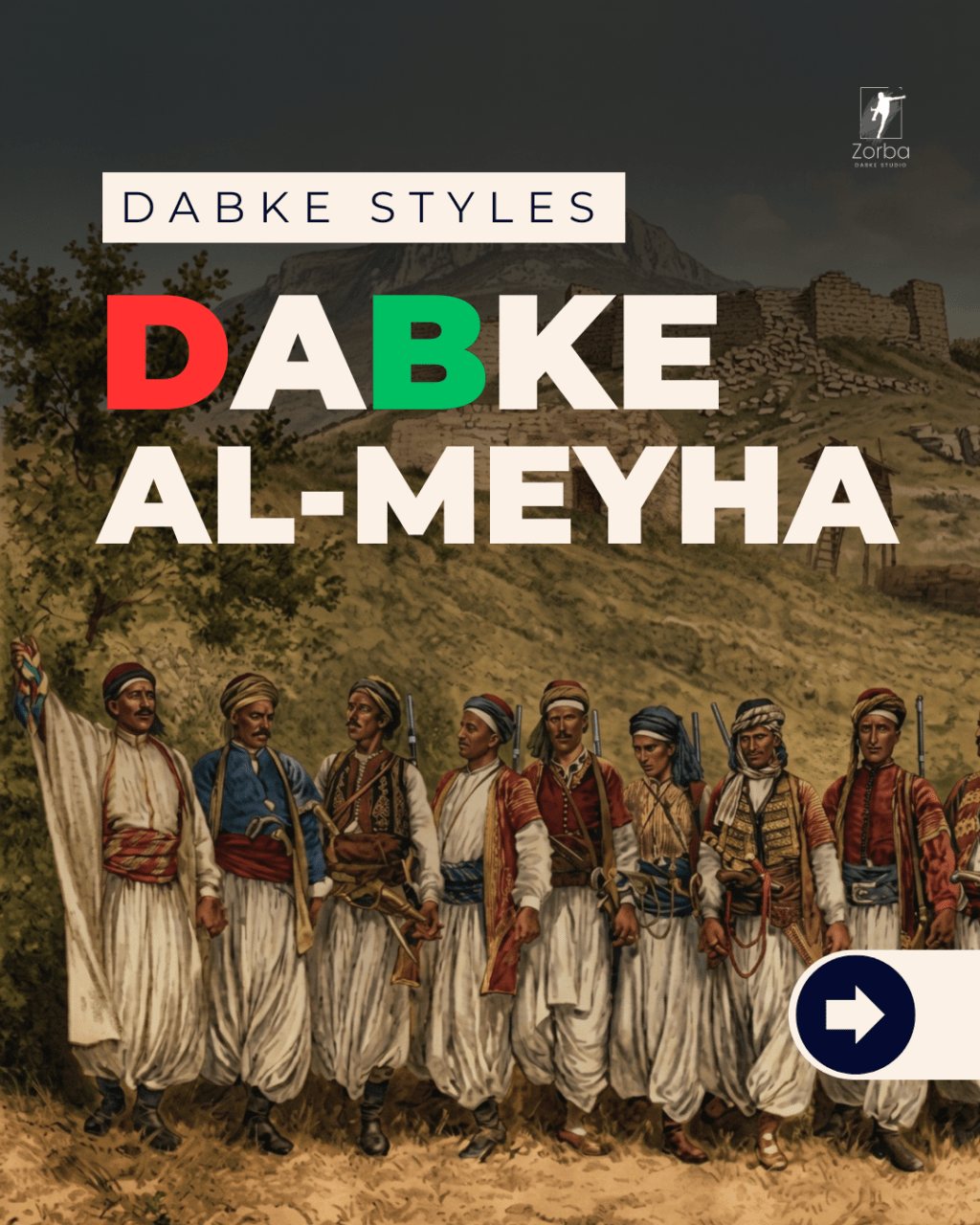
Dabke Al-Meyha | دبكة الميحة
Dabke Al-Meyha: A Core Dance Tradition of the Horan Region Dabke Al-Meyha (دبكة الميحة) is a traditional Levantine folk dance rooted in the Horan region of southern Syria. It is considered one of the fundamental styles practiced by the Hawarneh, the inhabitants of Horan, who have preserved this dance as a vital element of their…
-
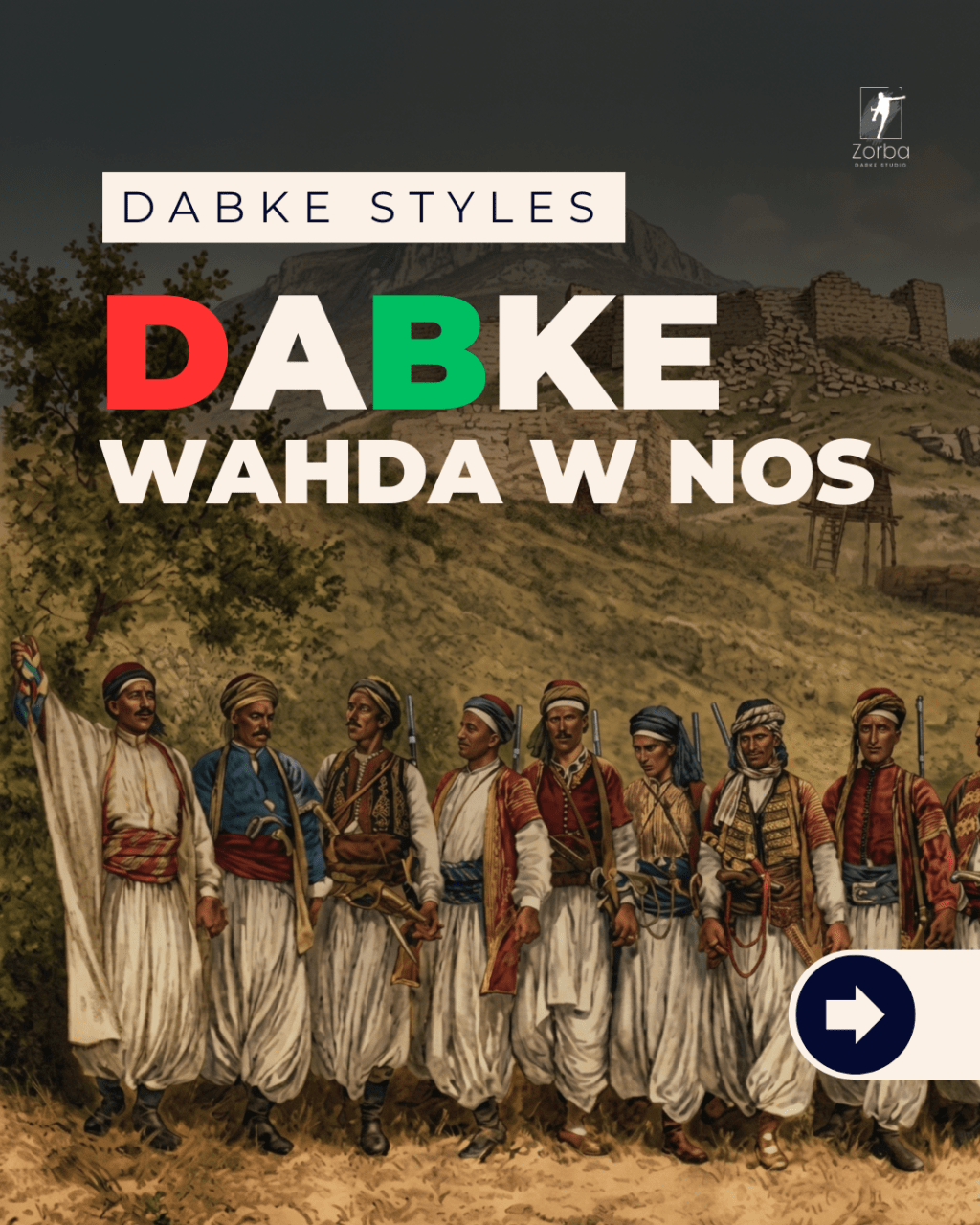
Dabke Wahda w Nos | دبكة وحدة ونص
Dabke Wahda w Nos (One and a Half Dabke) Historical Origins and Cultural Meaning Dabke Wahda w Nos (literally “One and a Half”) is one of the most recognizable folk dances in Palestine and the Levant. The dance is deeply rooted in rural traditions of Aouna, the communal system of cooperation where villagers helped each…
-
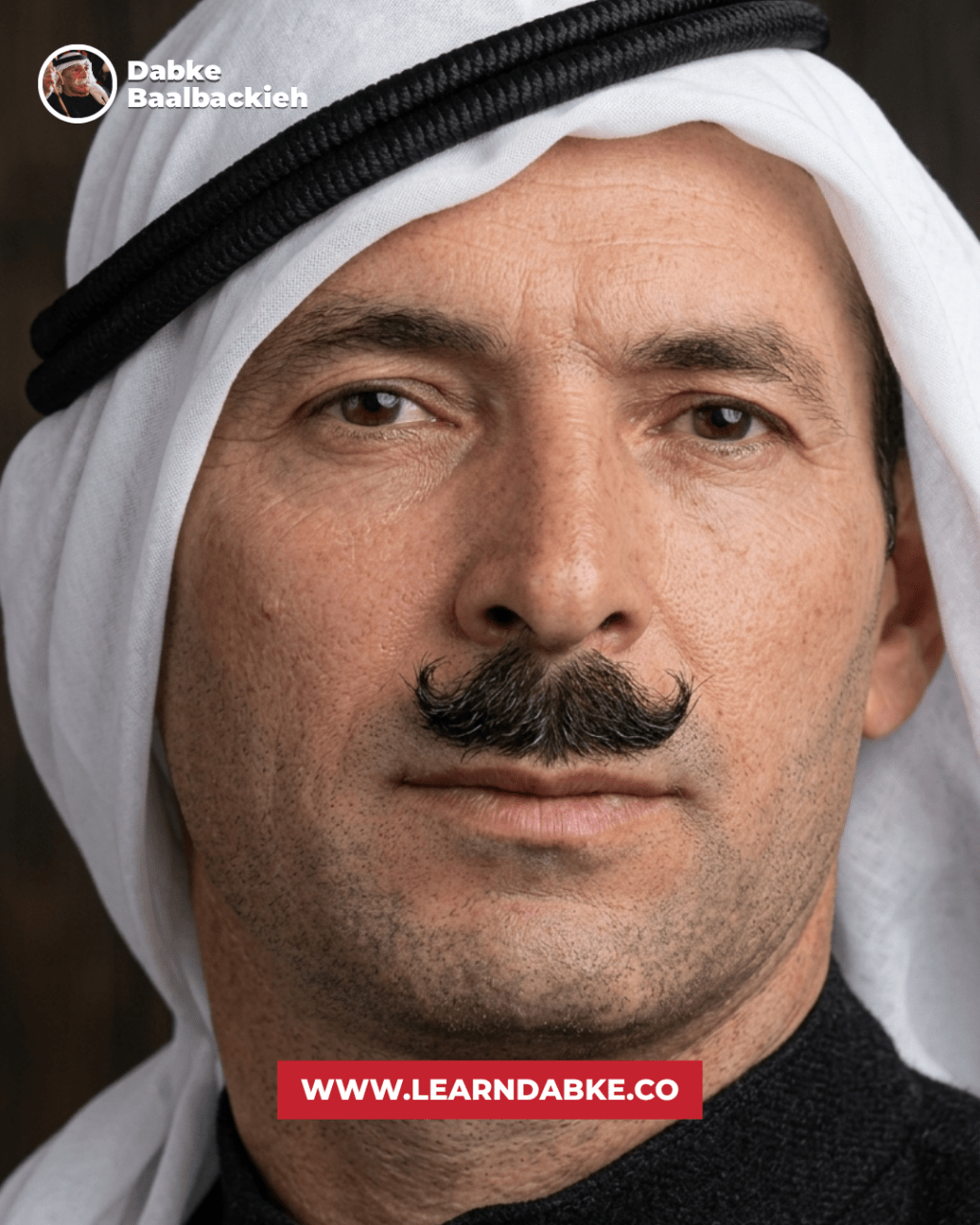
Doukhi Solh (Abu Ali) | The Sheikh of Sheikhs of Baalbeki Dabke
In the history of Baalbeki Dabke, there are names that are remembered, and there are names that define the art itself. Doukhi Solh, known as Abu Ali, belongs to the second category. He is widely regarded as one of the greatest, if not the greatest Dabke dancer ever born in the Beqaa region. Yet, unlike…
-
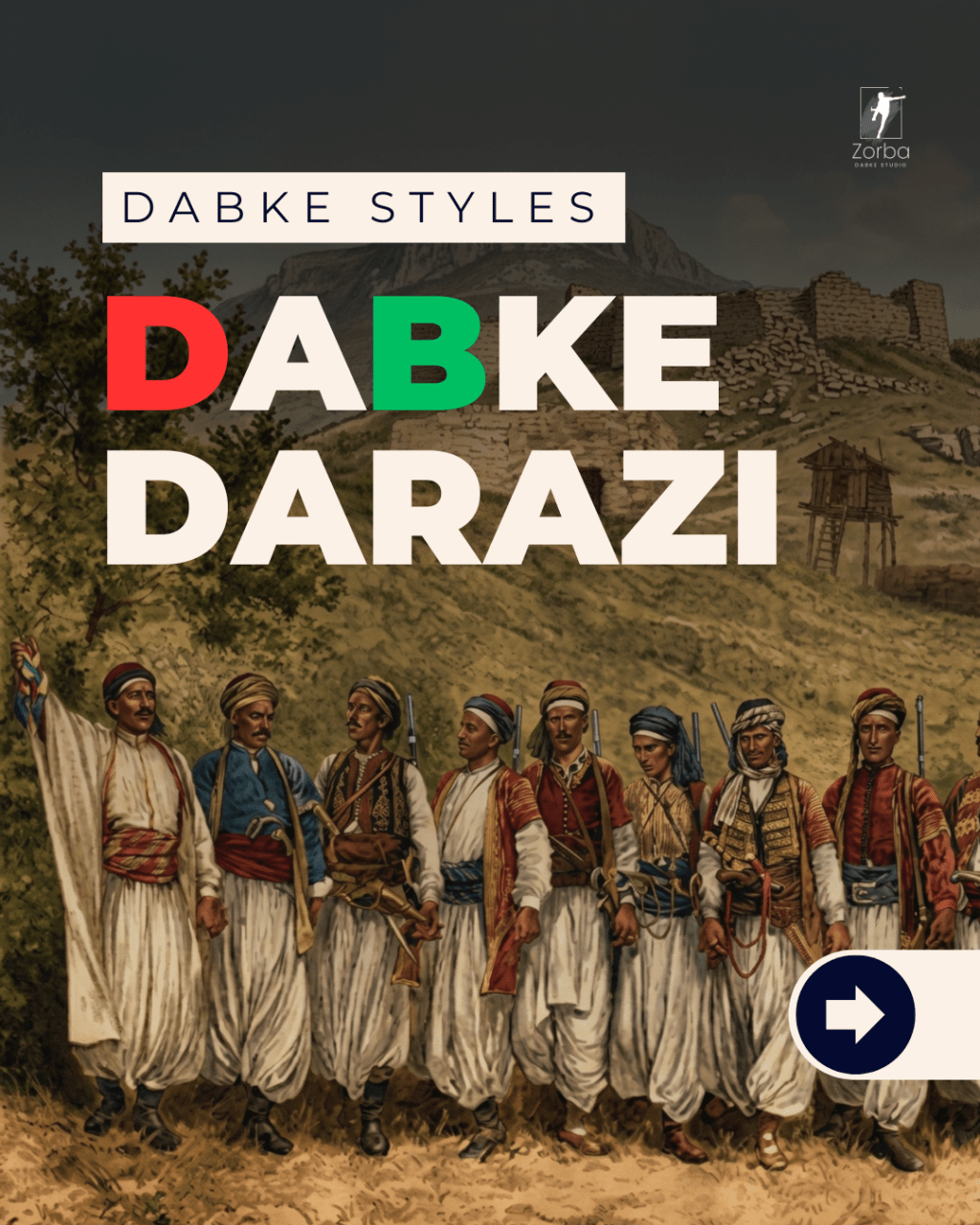
Dabke Darazi | دبكة درازي
Darazi Dabke – The Dignified and Rhythmic Dance of the Levant Dabke Darazi (دبكة درازي) is one of the most recognized and elegant forms of traditional Dabke in the Levant. It is especially widespread in Palestine, Jordan, and the Horan region of southern Syria, where it holds an important place in village celebrations and cultural…
-
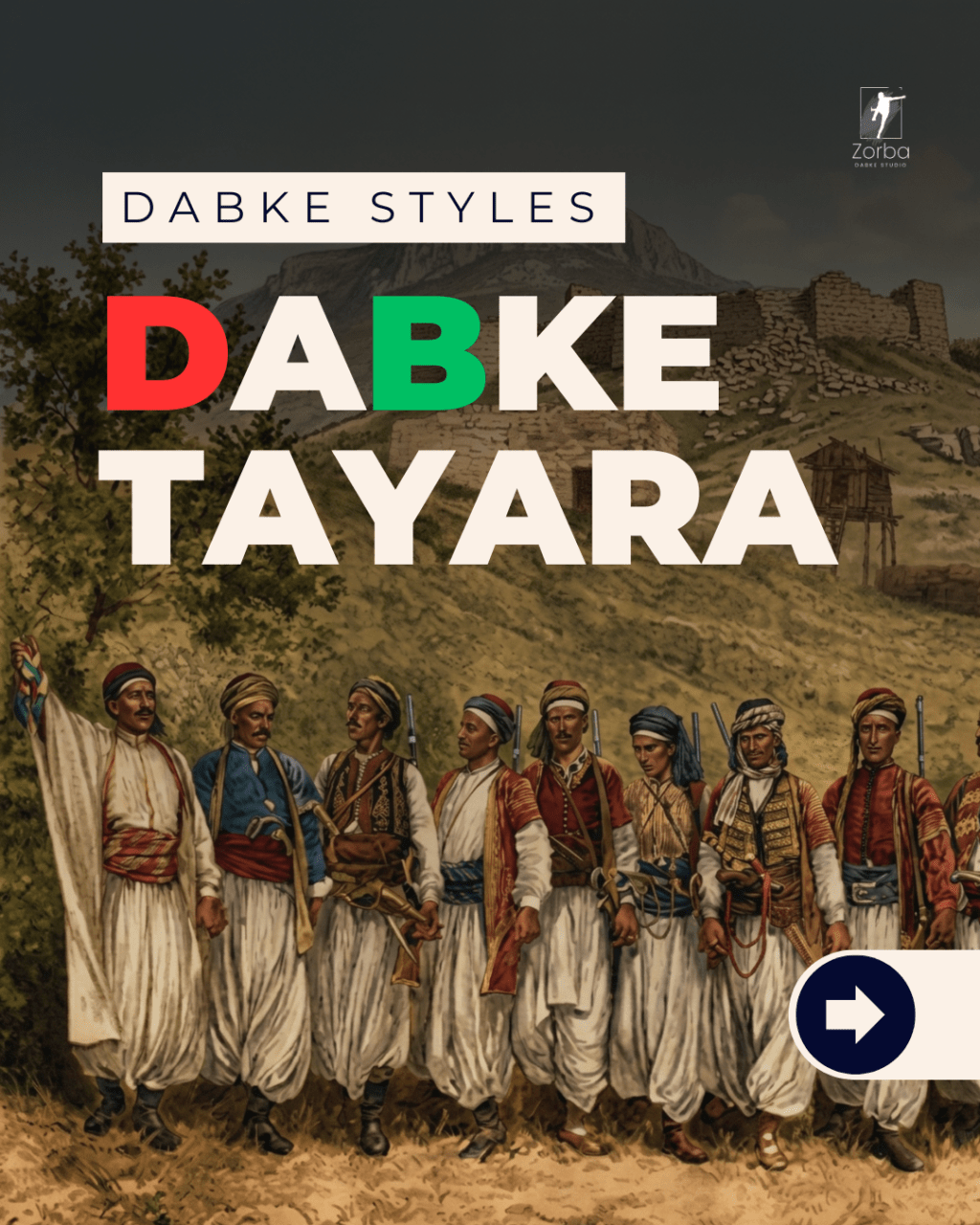
Dabke Tayara | دبكة طيارة
Historical Background and Cultural Context Dabke Tayara, often translated as “Airplane Dabke,” is one of the fastest and most physically demanding styles of Levantine folk dance. The dance is widely recognized across Palestine, Jordan, and southern Syria, particularly in the Horan region, although it is most strongly associated with Palestinian folklore. The name “Tayara” (meaning…
-
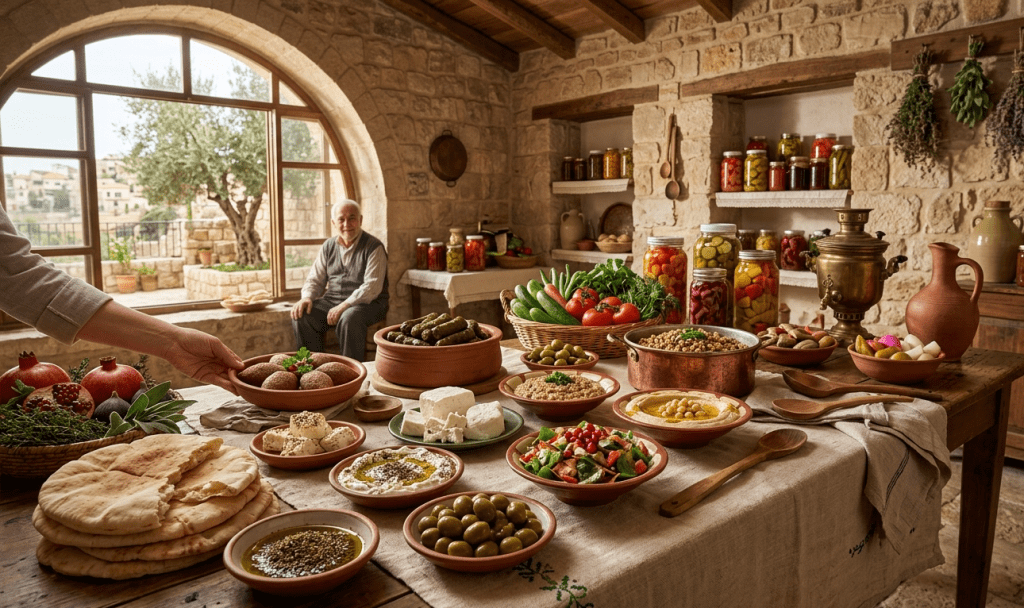
Lebanese Food Heritage: Mouneh, Tannour Bread, and Coffee in Traditional Lebanese Life
Discover Lebanese food heritage through mouneh, tannour bread, and coffee rituals. Learn how traditional Lebanese houses, seasonal preservation, bread-making, and hospitality shaped daily life in Lebanon.
-
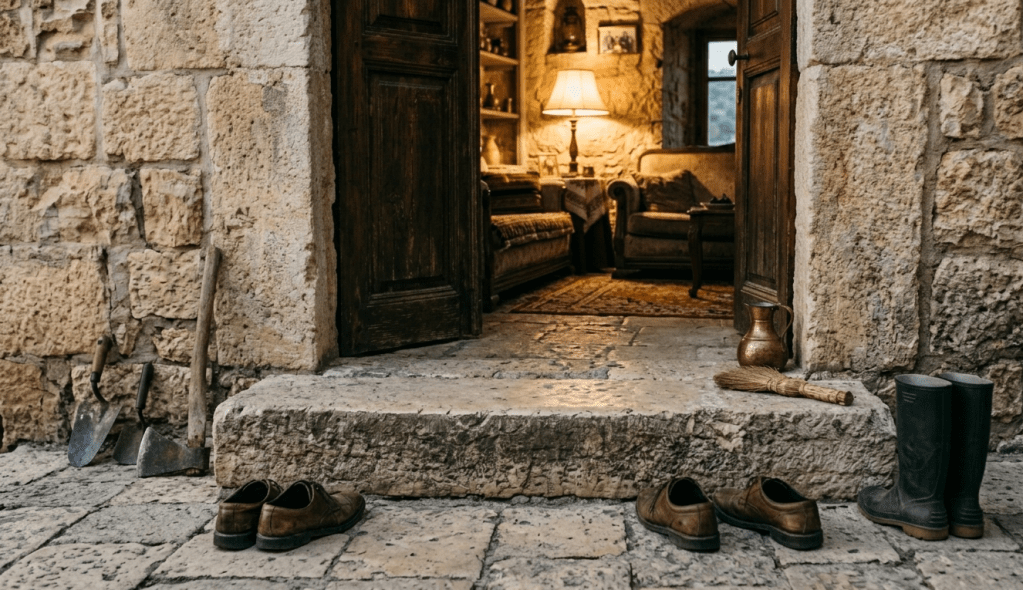
The Traditional Lebanese House: How the Roof, the Threshold, the Dar, and the Lower Storey Worked Together
An architectural reading of the Lebanese house as a lived system of climate, family life, storage, hospitality, and daily rhythm.
-
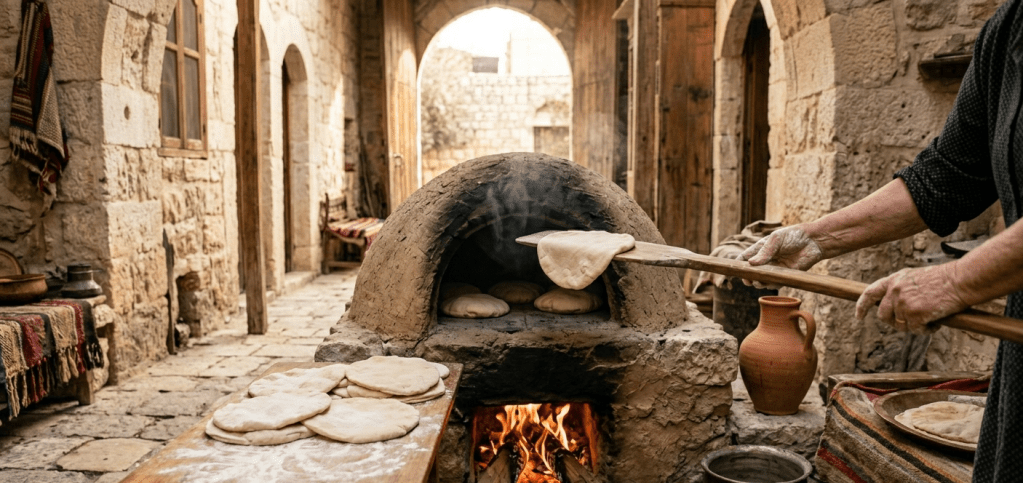
The Lebanese Table: What the House Knew Before Anyone Said It
There is no dedicated dining room in the traditional Lebanese house. This is not an oversight. It is one of the most important facts about Lebanese food culture, and almost nobody talks about it. Friedrich Ragette spent years documenting Lebanese domestic architecture across the eighteenth and nineteenth centuries — the period when the traditional Lebanese…
Got any questions?
 Learn Dabke