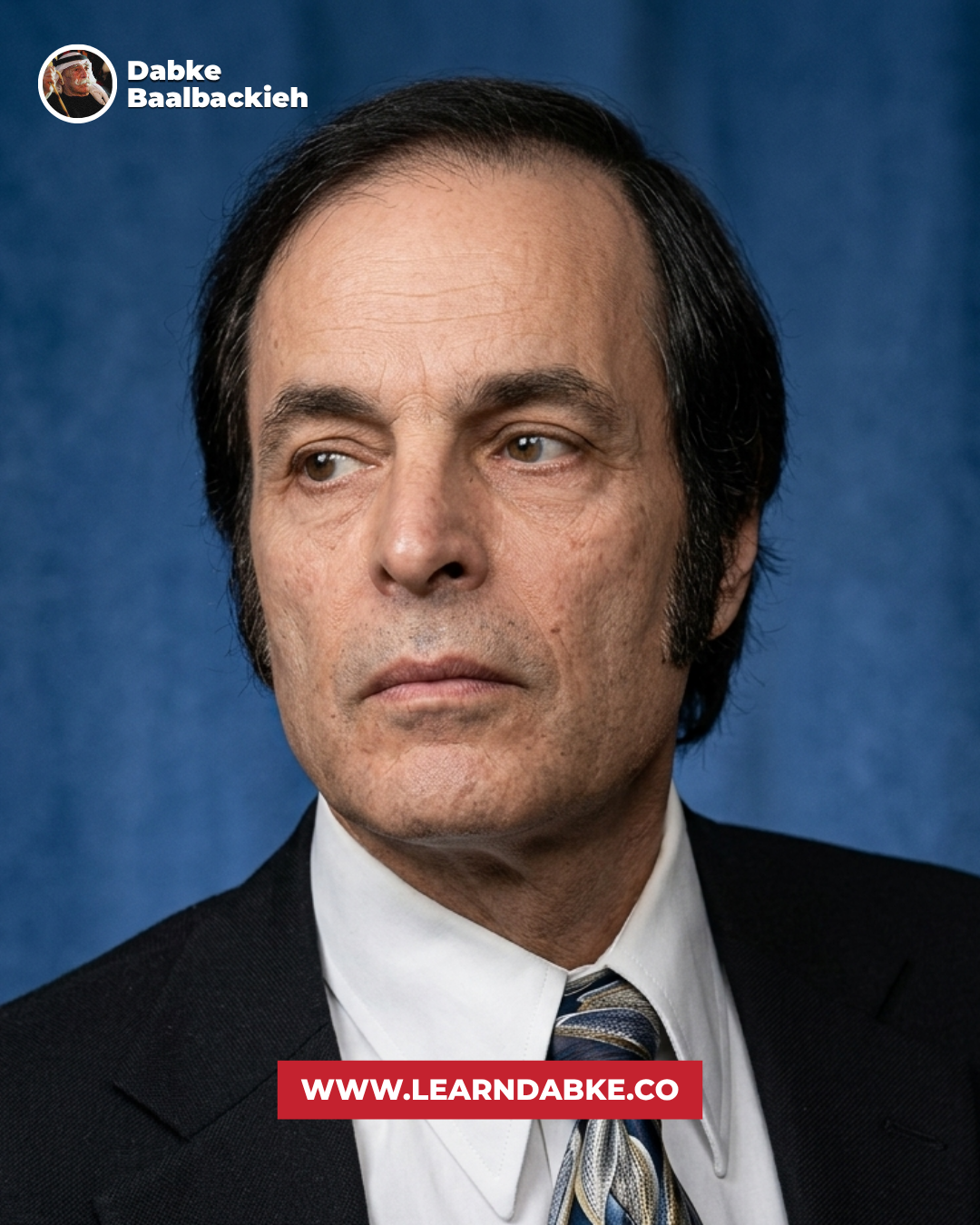
The Poet Behind the Dabke Circle
When people speak about Baalbeki Dabke, they often begin with the dancers. They mention Abu Yahya, Doukhi Solh, Abu Majed, Abu Mustafa Shalha, and the masters who made the line move with weight and pride.
But Baalbeki heritage was never built by dancers alone.
Behind the Dabke line stood the poets. They gave the wedding its voice, its honor, its humor, and its emotional depth. One of those names was Ali Mahdi Khalil, a traditional poet and performer remembered as part of the literary and musical world that surrounded the great Dabke masters of Baalbek.
Ali Mahdi Khalil was not simply someone who recited verses. He belonged to the oral tradition of Ataba, Mawwal, Mejanna, Zajal, and Rababa. Online heritage sources identify him among the important Baalbek voices who helped preserve rural Lebanese folk poetry and musical memory. (Learn Dabke)


His legacy also continues through his son, the Lebanese singer Hady Khalil, whose public pages identify him as a Lebanese singer, while heritage posts describe him as the son of Baalbek poet Ali Mahdi Khalil.
Who Was Ali Mahdi Khalil?
Ali Mahdi Khalil was a Baalbeki traditional poet, singer, and Rababa performer connected to the older world of folk weddings, poetic gatherings, and Dabke celebrations.
He is remembered in relation to:
- Ataba
- Mawwal
- Mejanna
- Zajal
- Rababa performance
- Traditional Baalbek wedding poetry
- The social world of the old Dabke masters
Several public video archives and playlists preserve clips under his name, including performances described as Baalbeki Ataba on Rababa and recordings with his son Hady Khalil. (YouTube)

Dabke Theory Class
A Poet in the Age of the Dabke Masters
Ali Mahdi Khalil belonged to a period when weddings in Baalbek were not short events. They were social festivals.
The old Baalbeki wedding could include:
- Dabke lines
- Poetic sessions
- Henna rituals
- Groom ceremonies
- Singing
- Rababa
- Horse processions
- Public praise and competition
In this world, the poet had a serious role. He was not background entertainment. He helped define the honor of the event.
Poets like Ali Mahdi Khalil, Al-Hassoun, Ahmed Younis, and Rameh Medlej were part of the artistic circle that gave these gatherings their language. Their verses could praise the groom, greet the guests, flirt through Ghazal, offer wisdom, or challenge another poet in front of the crowd.
The Shu‘ara Sessions: Where Poetry Became Social Power
In old Baalbek weddings, the Shu‘ara, or poets’ sessions, were central.
These were not quiet poetry readings. They were public competitions of memory, wit, rhythm, and social intelligence. A poet needed to understand the room. He needed to know whom to praise first, how to honor the groom, when to use humor, and when to bring wisdom.
The audience responded with Heissa, cheers of approval. That reaction mattered. It told the poet he had touched the crowd.
Ali Mahdi Khalil operated in that demanding environment. Every verse had a social function. A weak line could pass unnoticed. A strong line could live for decades.


The Wedding of Abdullah Ibrahim Solh, Known as Al-Zalloum
One important setting connected to Ali Mahdi Khalil is the wedding of Abdullah Ibrahim Solh, known as Al-Zalloum, one of the early foundational figures in Baalbeki Dabke.
Ali Mahdi Khalil is mentioned among the poets present at this wedding. The event is important because it shows the older protocol of Baalbek celebrations.
A famous anecdote from that wedding tells of a guest, Ibn al-Masri, protesting when a poet began praising the guests before properly praising the groom. This story may sound small, but it reveals the strict artistic code of the time.
Poetry had order.
Honor had order.
Praise had order.
A poet could not simply say beautiful words. He had to say the right words at the right time.
The Rababa and the Baalbeki Voice
Ali Mahdi Khalil is strongly connected online with the Rababa, the one-stringed instrument deeply tied to Bedouin and rural poetic traditions.
The Rababa gives the voice a different weight. It does not cover the poet. It exposes him. The instrument is simple, direct, and emotional. A poet who sings with Rababa needs control, breath, memory, and presence.
A public heritage post describes Ali Mahdi Khalil’s voice on the Rababa as part of the authentic Baalbeki sound, connecting Ataba, Mejanna, and the magic of the Rababa.
This is why his legacy matters for Dabke heritage. Dabke is not only feet and drum. It is also the sung poetry that prepares the emotional ground for movement.
Father of Hady Khalil
Ali Mahdi Khalil’s heritage continues through his son, Hady Khalil, a Lebanese singer with a public artistic presence. Online sources and heritage posts describe Hady as the son of Ali Mahdi Khalil, and video archives preserve clips of father and son performing together or being presented in the same heritage context. (YouTube)
This father-son connection matters because it shows how Baalbeki folk art moves across generations.
Ali Mahdi Khalil carried the older poetic and Rababa world. Hady Khalil carries the voice into a more modern Lebanese music environment. The style changes, the stage changes, but the source remains visible.
Why Ali Mahdi Khalil Matters Today
Ali Mahdi Khalil deserves documentation because he represents a part of Baalbeki heritage that is often overshadowed by the dancers.
The Dabke masters gave the movement.
The poets gave the language.
The singers gave the emotional fire.
The Rababa gave the memory.
Without poets like Ali Mahdi Khalil, the old Baalbek wedding loses its voice.
He belongs to the same cultural ecosystem that produced the great Dabke masters. His name should appear in any serious discussion of Baalbek folklore, Lebanese Dabke heritage, Ataba, Zajal, and Rababa traditions.
Learn Dabke
A Literary Pillar of Baalbeki Heritage
Ali Mahdi Khalil was one of the poetic voices that helped shape the social and artistic world around Baalbeki Dabke. He stood in the line of traditional poets who gave weddings their structure, their honor, and their emotion.
He was part of a heritage where poetry was not separate from Dabke. It lived beside it.
Today, as more people search for the roots of Lebanese Dabke and Baalbeki folklore, Ali Mahdi Khalil should be remembered not only as the father of Hady Khalil, but as a poet of Rababa, Ataba, and living rural memory.
His voice belongs in the archive of Baalbek.
Leave a Reply