
Tag: Lebanese dabke
-

How to Make Your Zaffe Entrance Look Powerful on Video Without Losing Tradition
A strong Lebanese Zaffe should not only look good on video. It should feel powerful in the room first. This is where many wedding entrances go wrong today. Couples want the perfect video, the perfect reel, the perfect entrance shot, and the perfect moment to share. That is understandable. A wedding entrance is one of…
-
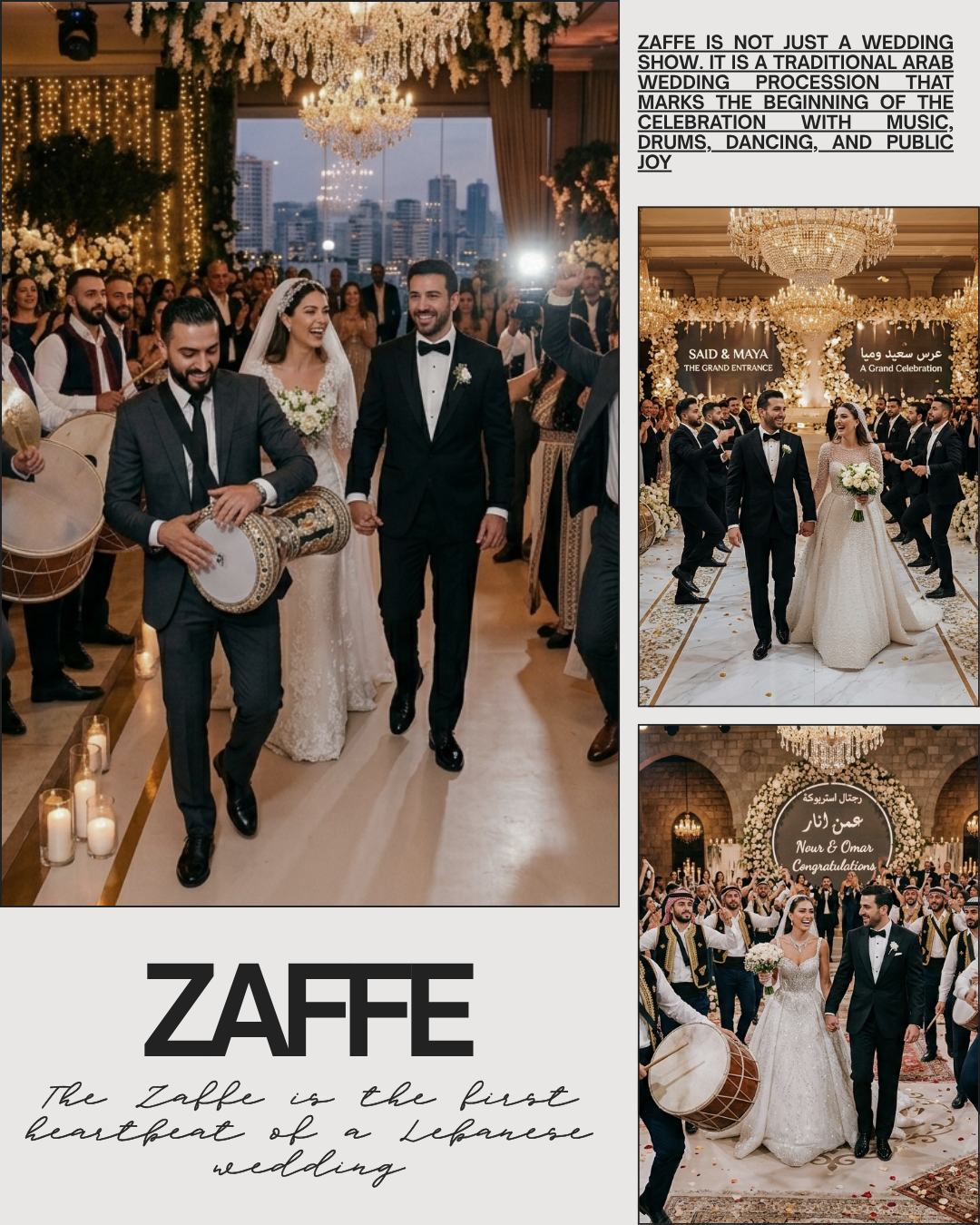
Traditional or Modern Zaffe? How Lebanese Couples Are Personalizing Their Wedding Entrance
When it comes to choosing the style of Zaffe for your Lebanese wedding, the real question is not simply whether you want something traditional or modern. The better question is this: what kind of feeling do you want your entrance to create? A Lebanese Zaffe is more than a performance. It is the moment that…
-

Why Baalbek-Style Zaffe Is Becoming a Strong Choice for Lebanese Weddings
A Lebanese wedding entrance can be beautiful in many ways. It can be elegant, modern, luxurious, emotional, or full of energy. But when couples want an entrance that feels deeply Lebanese, powerful, and rooted in heritage, Baalbek-style Zaffe has a special place. Baalbek is not just a city name. In Lebanon, Baalbek carries cultural weight.…
-
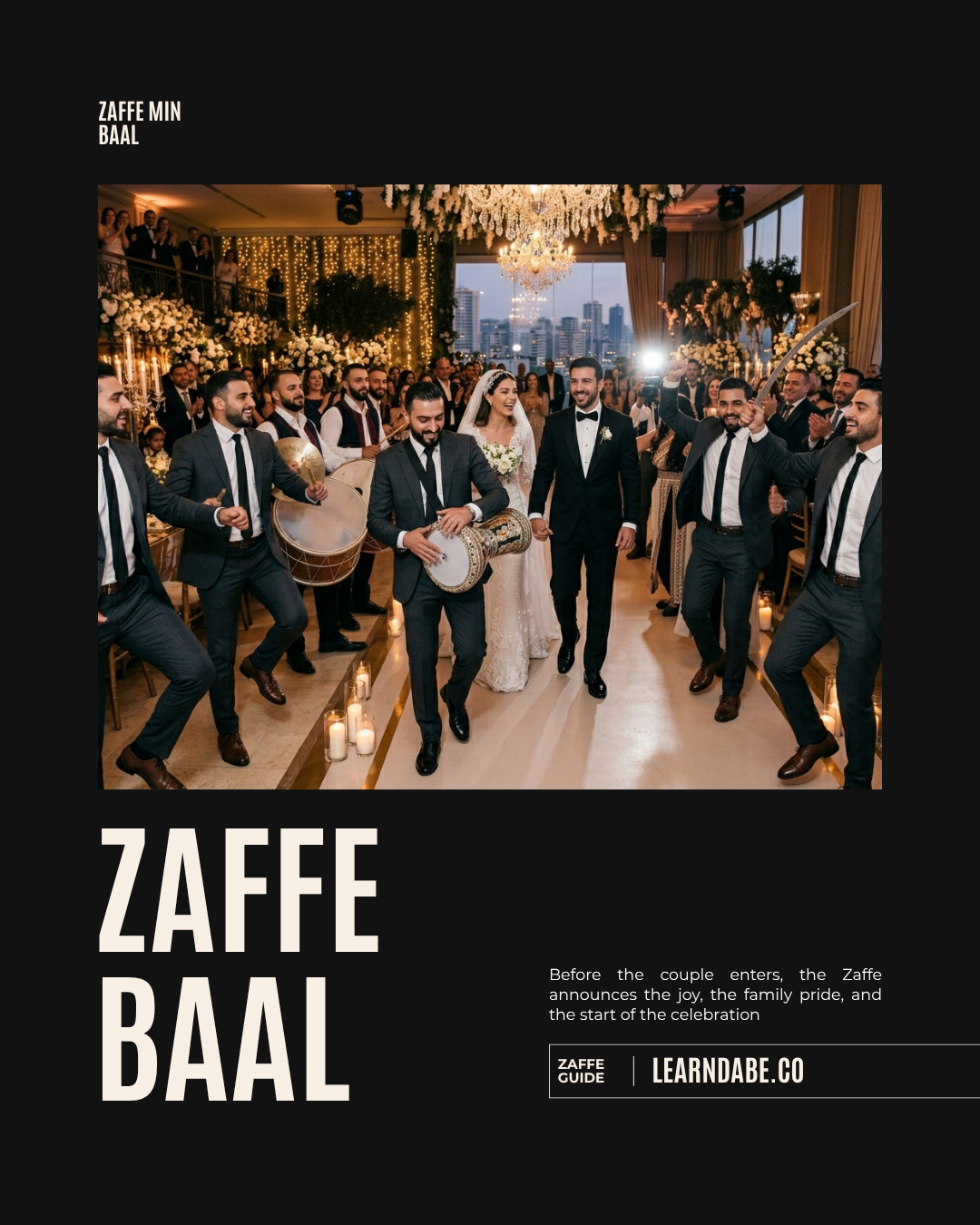
How to Choose the Right Zaffe Group in Lebanon for Your Wedding Entrance
Choosing a Zaffe group in Lebanon is not only about finding performers who can enter with drums. It is about choosing the group that will lead one of the most important moments of your wedding night. The Zaffe is usually the first moment when the bride and groom appear in front of everyone as a…
-
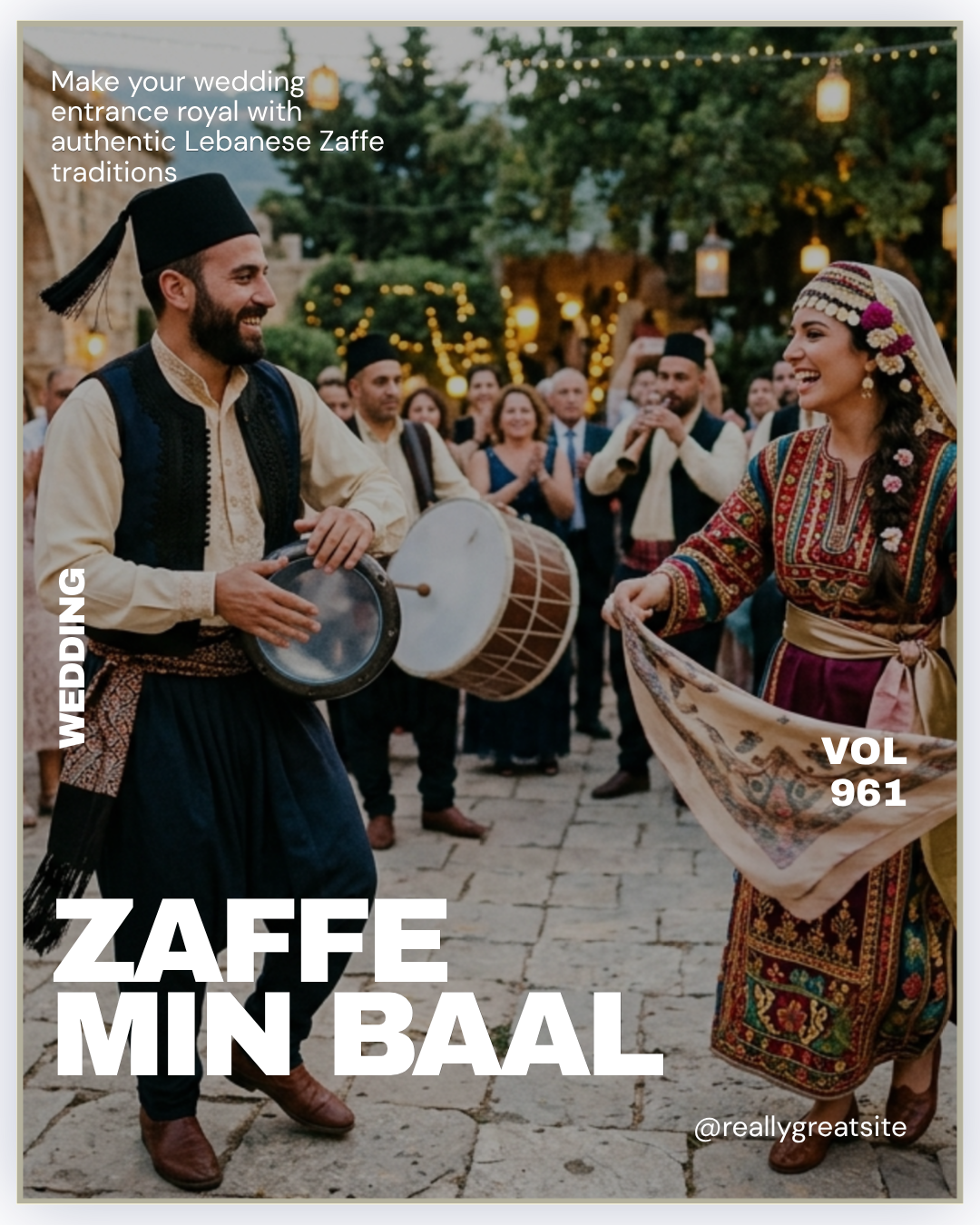
What Is a Lebanese Zaffe? Meaning, Tradition, and Wedding Entrance Guide
What Is a Lebanese Zaffe? A Lebanese Zaffe is a traditional wedding entrance performed to celebrate the arrival of the bride and groom. It usually includes live drums, music, chanting, Dabke, dancers, family participation, and a strong ceremonial procession that leads the couple into the wedding celebration. In simple words, the Zaffe is the moment…
-
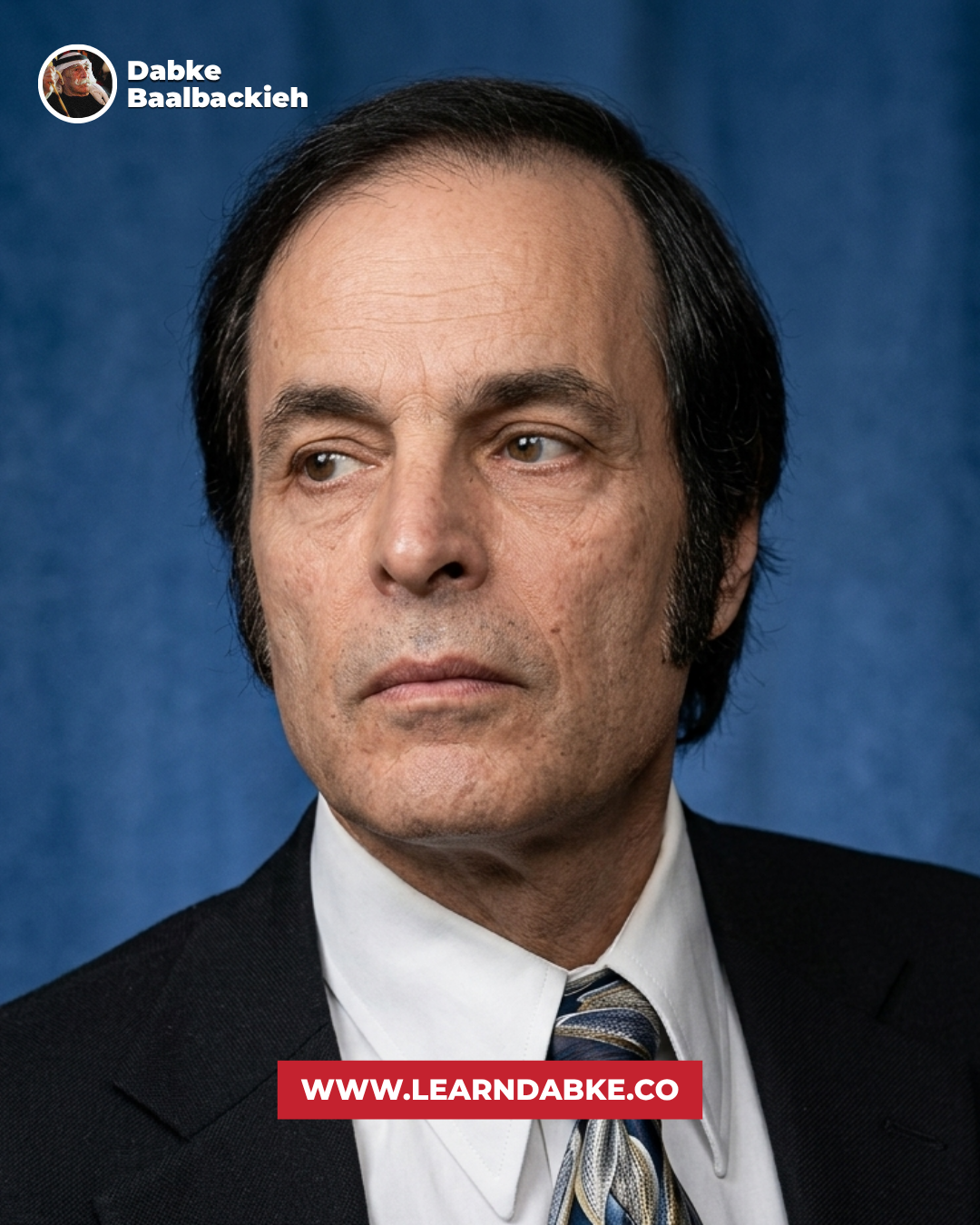
Ali Mahdi Khalil | The Baalbek Poet of Rababa, Ataba, and Living Folk Memory
The Poet Behind the Dabke Circle When people speak about Baalbeki Dabke, they often begin with the dancers. They mention Abu Yahya, Doukhi Solh, Abu Majed, Abu Mustafa Shalha, and the masters who made the line move with weight and pride. But Baalbeki heritage was never built by dancers alone. Behind the Dabke line stood…
-
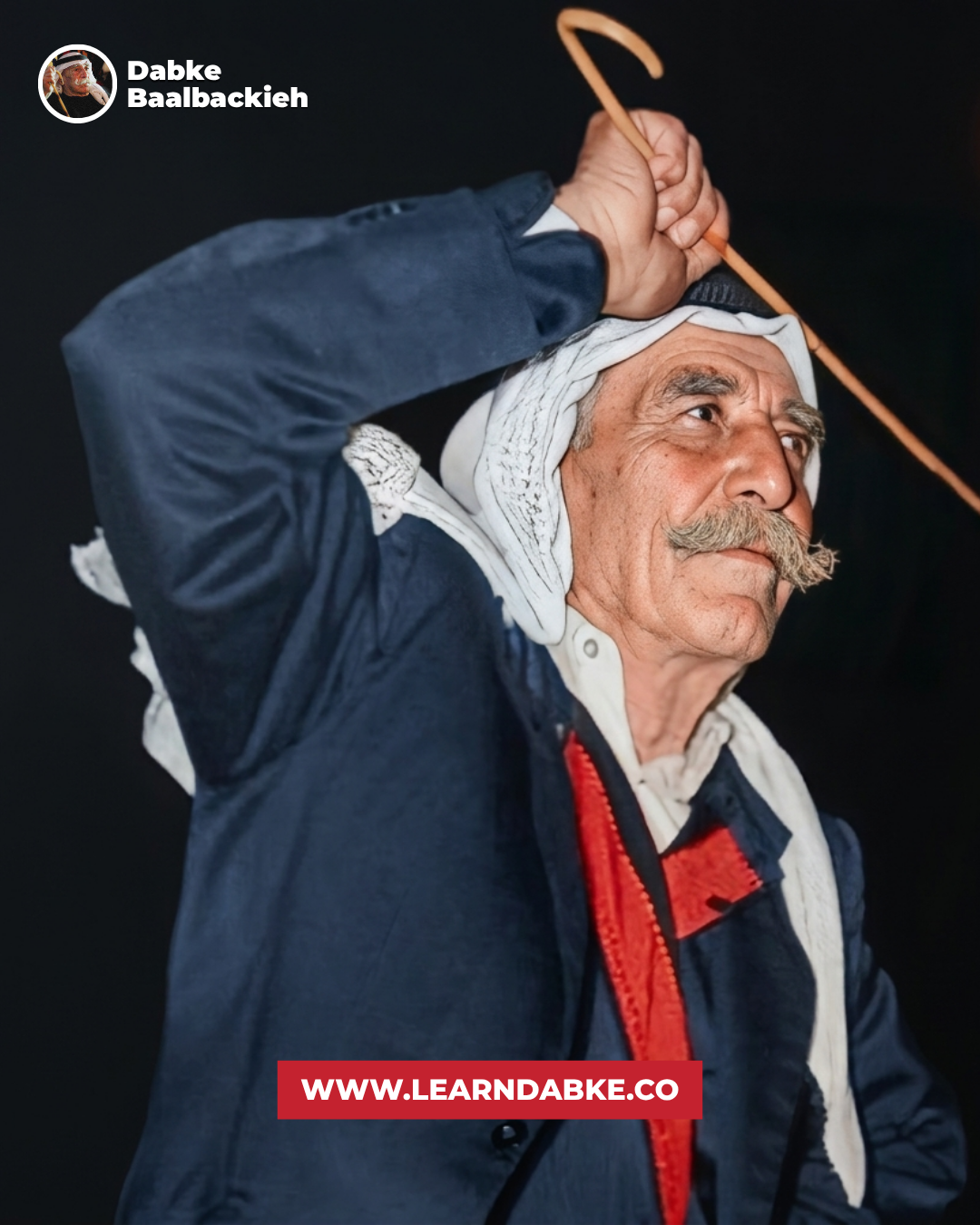
Abu Yahya Zakaria Ismail Solh: The King of Baalbeki Dabke and Dean of Lebanese Dabke
Discover the life and legacy of Abu Yahya Zakaria Ismail Solh, the Dean of Lebanese Dabke and King of Baalbeki Dabke, known for Arja, Hayba, falcon eyes, and preserving Baalbek heritage.
-
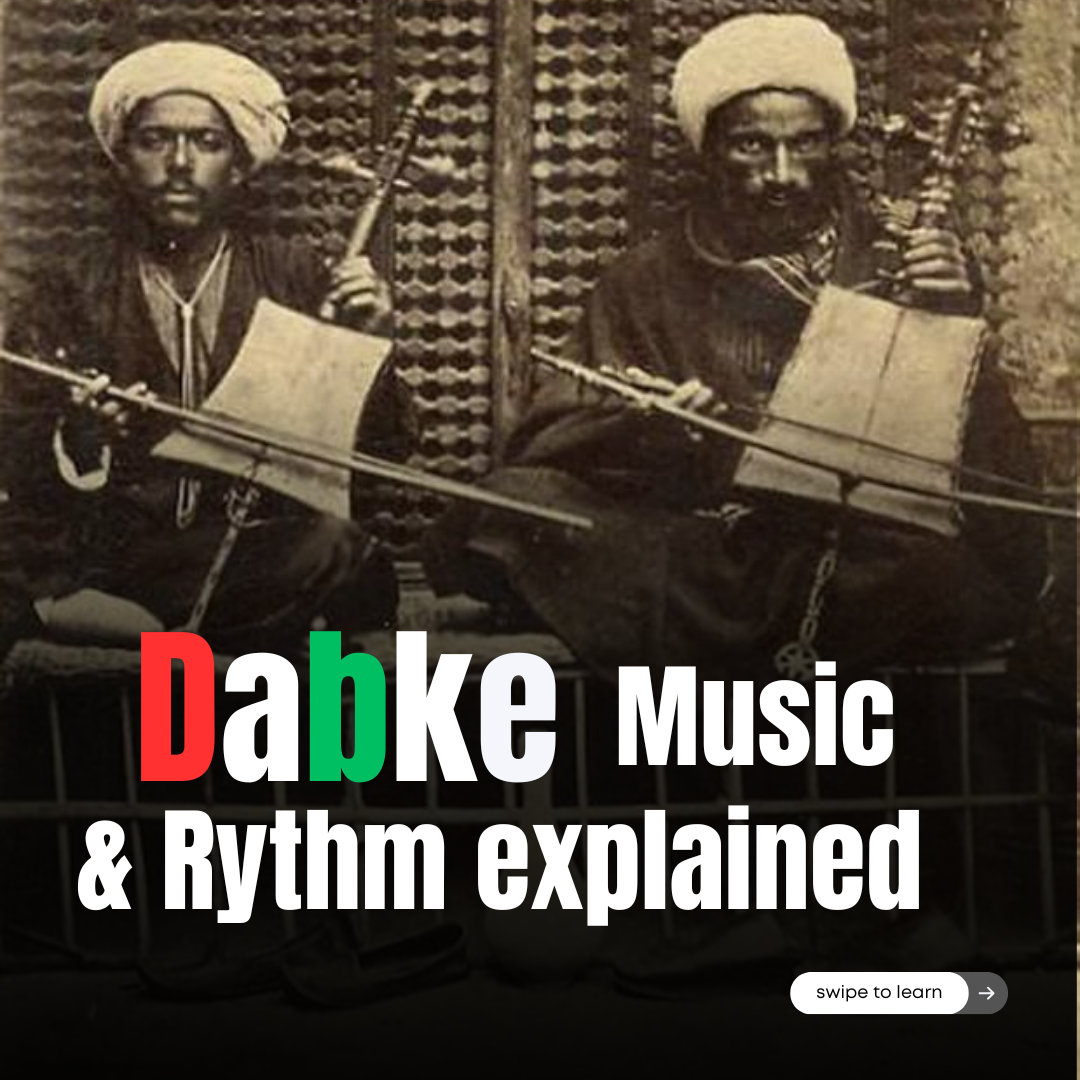
How Dabke Music & Rhythm Defines Style in Lebanon, Palestine, Jordan, and Syria
Dabke is often described as a dance, but across the Levant it is better understood as a musical system translated into movement. What separates one Dabke style from another is not the costume, the speed, or even the step shape alone — it is how the drum speaks, how the Doum and Tak are placed,…
-

Dabke Across Borders: A Journey Through Middle Eastern Dance Styles
The thud of synchronized feet, the shrill cry of the mijwiz, the deep pulse of the tabl—Dabke is more than a dance. It’s a living language of resilience, identity, and celebration that stretches across Lebanon, Palestine, Jordan, and Syria. Though these nations share this folkloric treasure, each has shaped Dabke to reflect its own history,…
-

From Village Drums to Global Stages: The Evolution of Lebanese Folk Music and Dabke in the 20th Century
How did the Dabke—once danced on rooftops and village squares—reach international festivals and satellite TV? The answer lies in a century-long transformation of Lebanese music and cultural identity, driven by war, migration, and visionary artistry. This is the story of how Lebanon’s most iconic musical and dance traditions adapted to modernity without losing their soul.…