
Category: Uncategorized
-
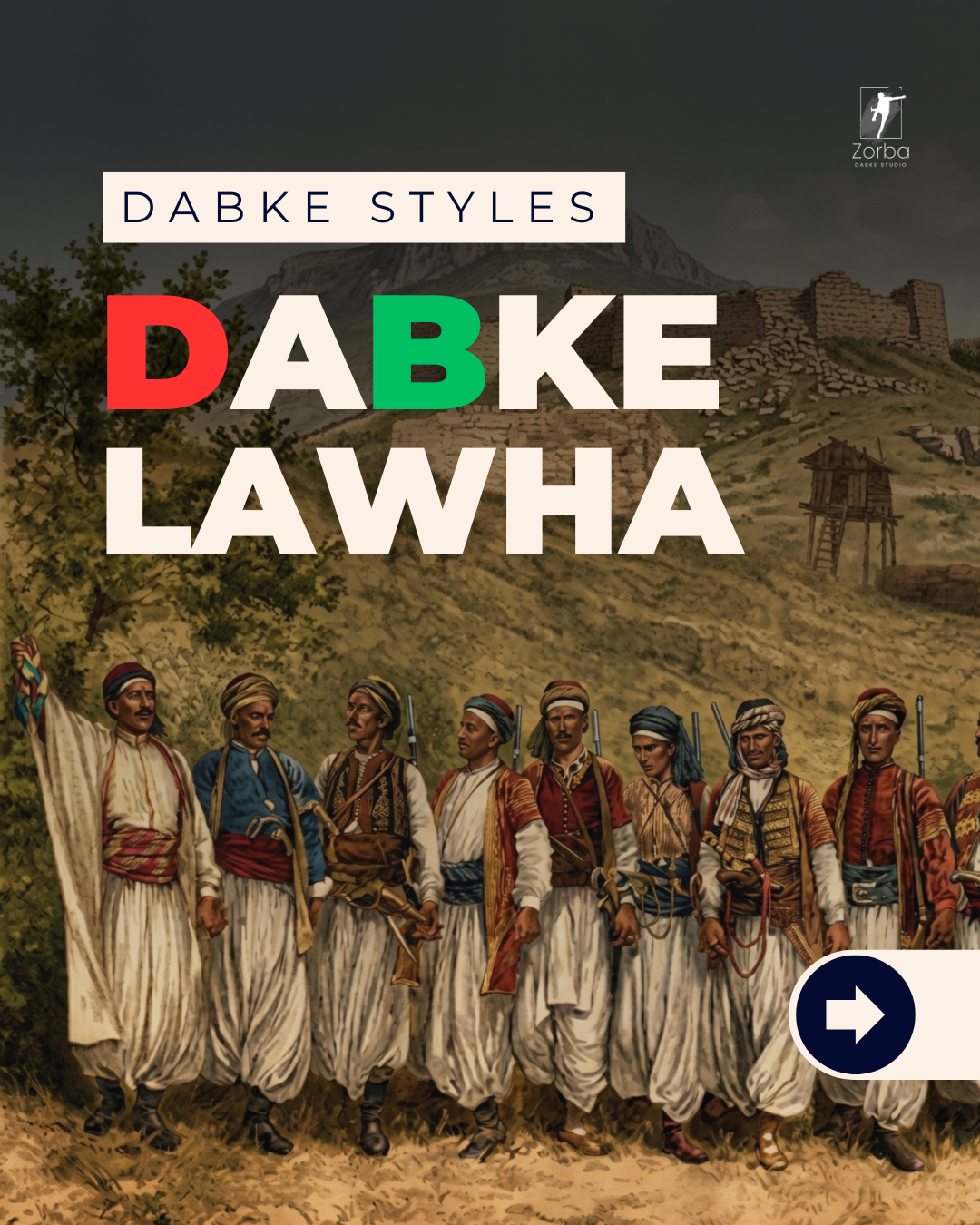
Dabke Lawha | دبكة اللوحة
Dabke Al-Lawha: Origin, Structure, and Cultural Role – Research by Zorba Academy Dabke Al-Lawha is recognized as one of the eight fundamental types of traditional Syrian dabke, a classification documented by the Homsi poet and researcher Wajih Wehbe al-Khoury in his studies on Syrian folk dance traditions. This form of dabke is particularly associated with…
-
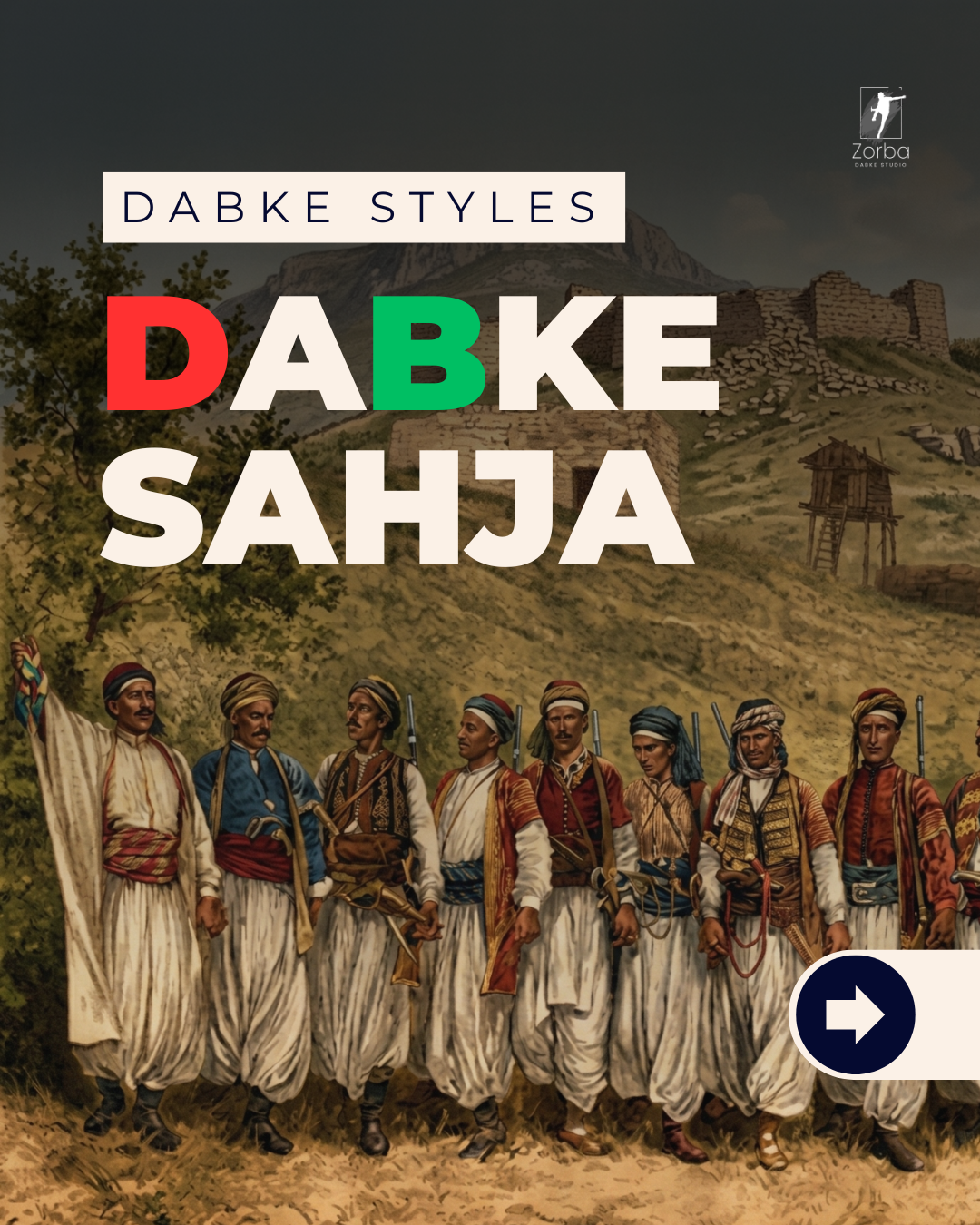
Dabke Sahja | دبكة السحجة
Dabke Al-Sahja: The Rhythmic Clapping Tradition of Levantine Dabke Origins and Cultural Presence Dabke Al-Sahja (دبكة السحجة) is a traditional collective folk performance found across Jordan, Palestine, the Horan region of southern Syria, and the Baalbek area of Lebanon. It represents a unique form of Levantine dance in which poetry, rhythm, clapping, and coordinated body…
-
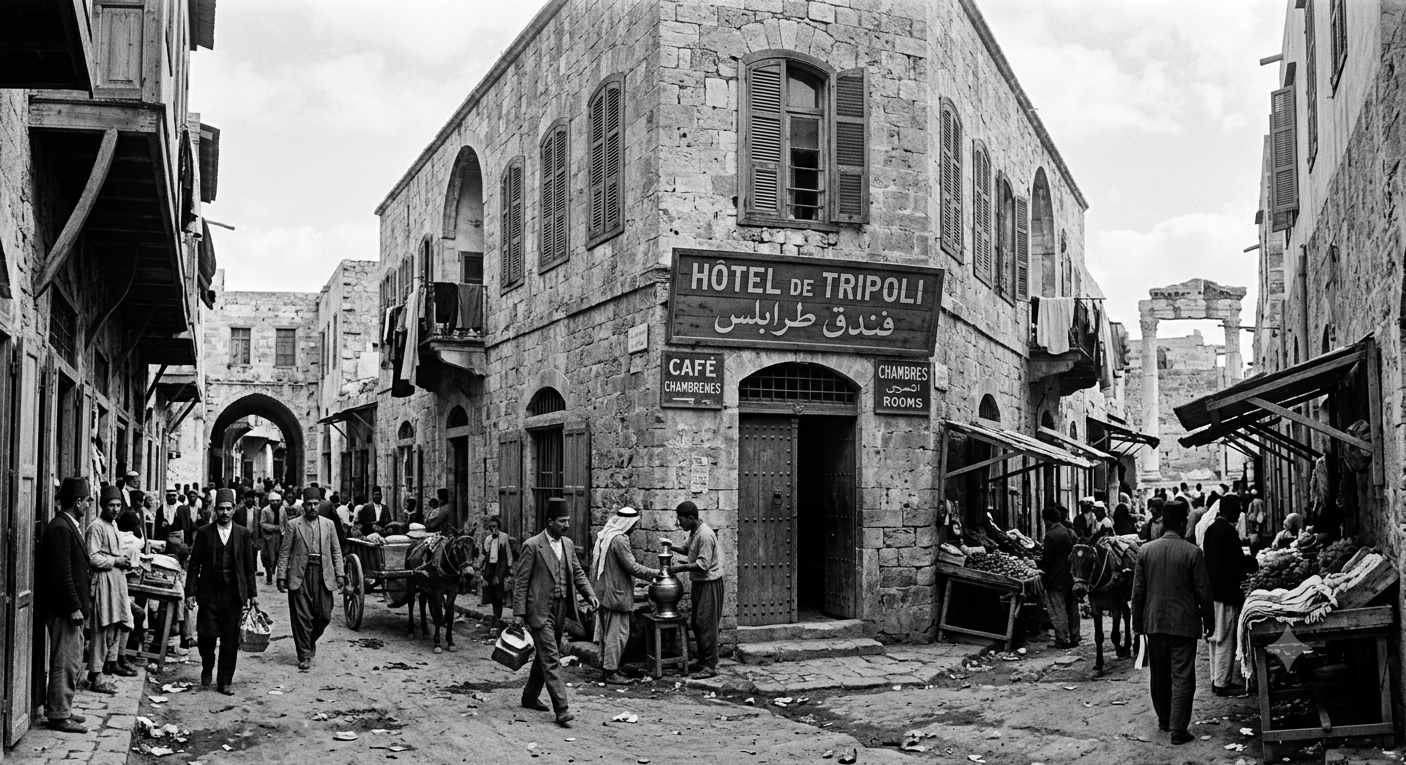
North Lebanon: The Cities That Sent Their Names Across the Sea
North Lebanon was never one place North Lebanon is often spoken about as if it were one region. It is not. Tripoli is not Zgharta.Zgharta is not Koura.Koura is not Anfeh.Anfeh is not Bsharri.The coast is not the mountain.The olive plain is not the old souk.The port is not the village road that led to…
-
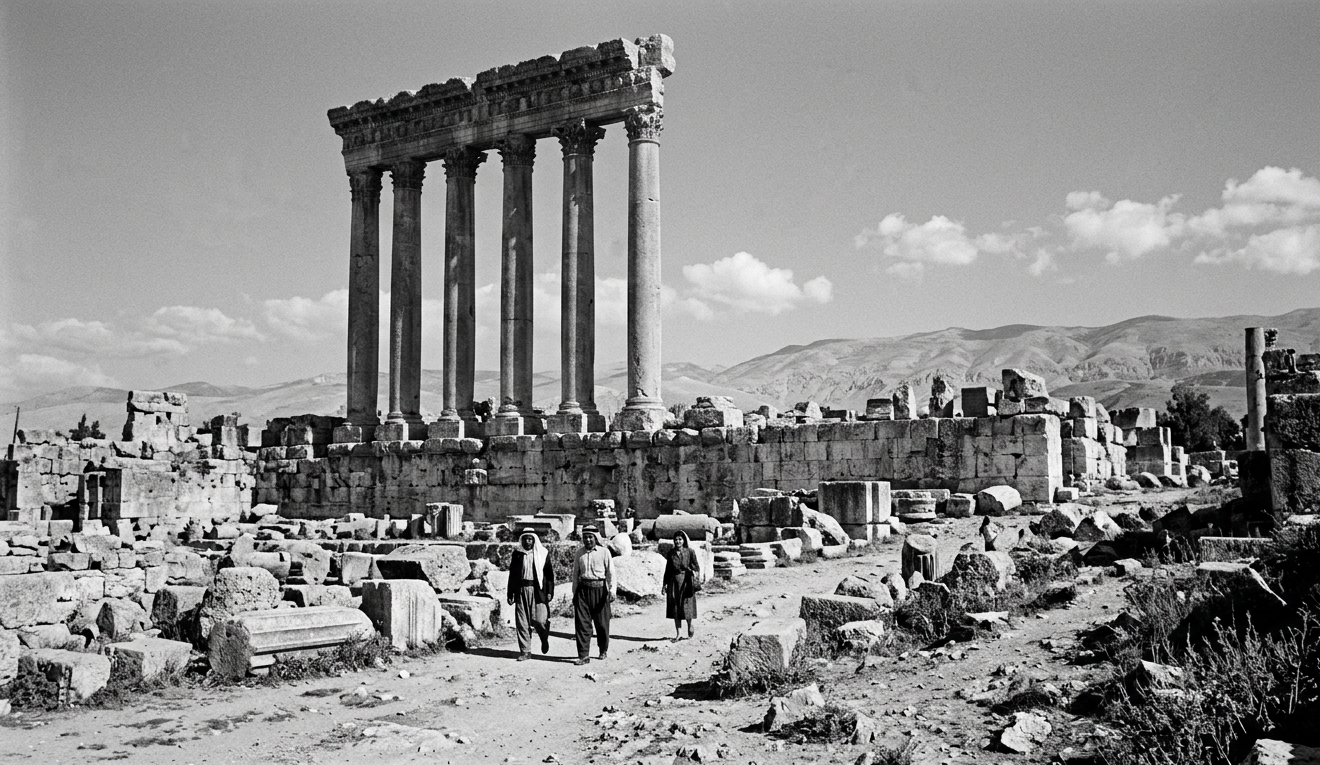
Baalbek: The City That Outlasted Every Empire That Tried to Own It
Most people who have heard the name Baalbek have heard it in one context only. Ruins. Roman ruins. Six columns. A temple. A photograph. A place to visit. But Baalbek was never only that. Before it became a postcard, it was a sacred place. Before it became a Roman monument, it already carried religious meaning.…
-
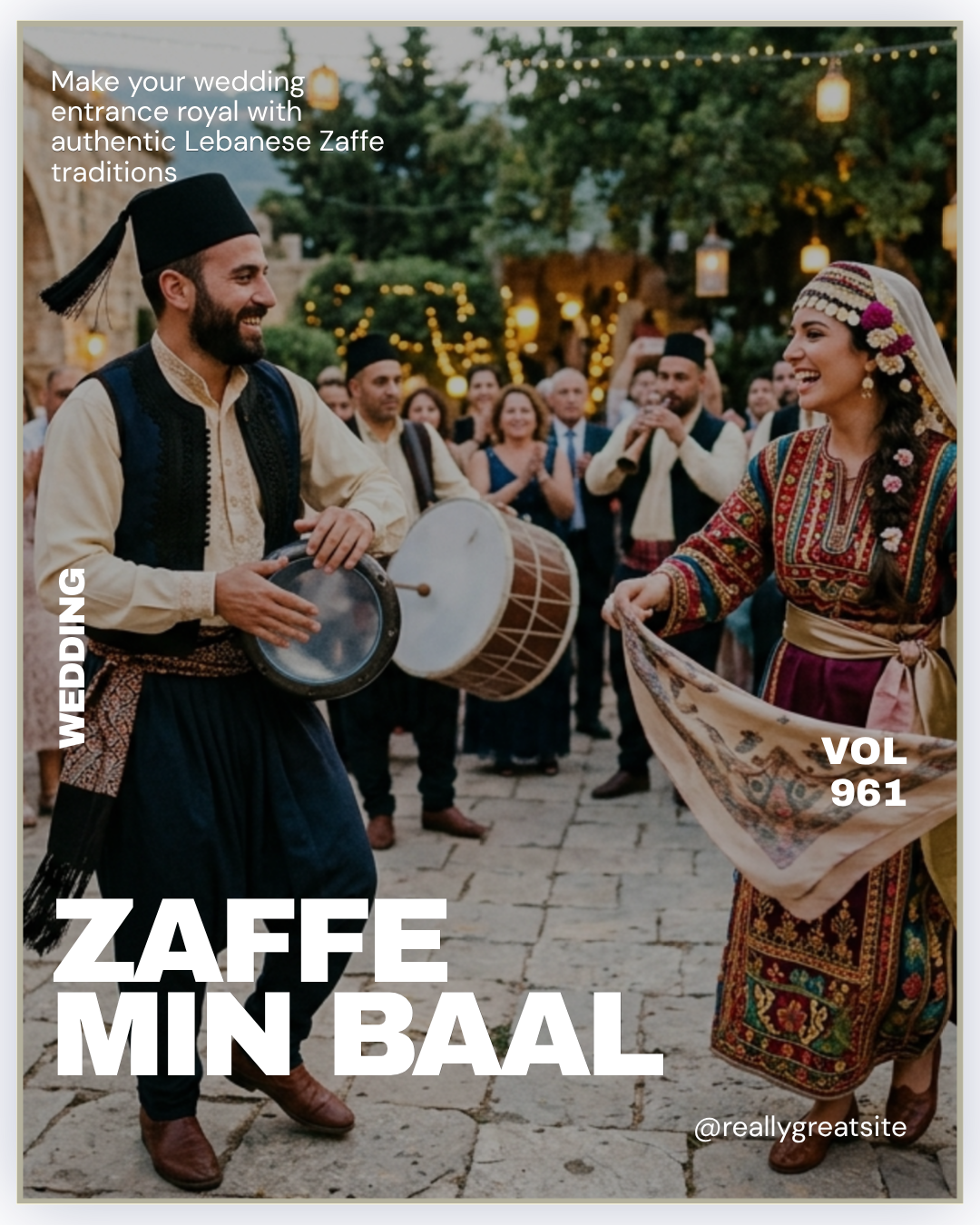
What Is a Lebanese Zaffe? Meaning, Tradition, and Wedding Entrance Guide
What Is a Lebanese Zaffe? A Lebanese Zaffe is a traditional wedding entrance performed to celebrate the arrival of the bride and groom. It usually includes live drums, music, chanting, Dabke, dancers, family participation, and a strong ceremonial procession that leads the couple into the wedding celebration. In simple words, the Zaffe is the moment…
-
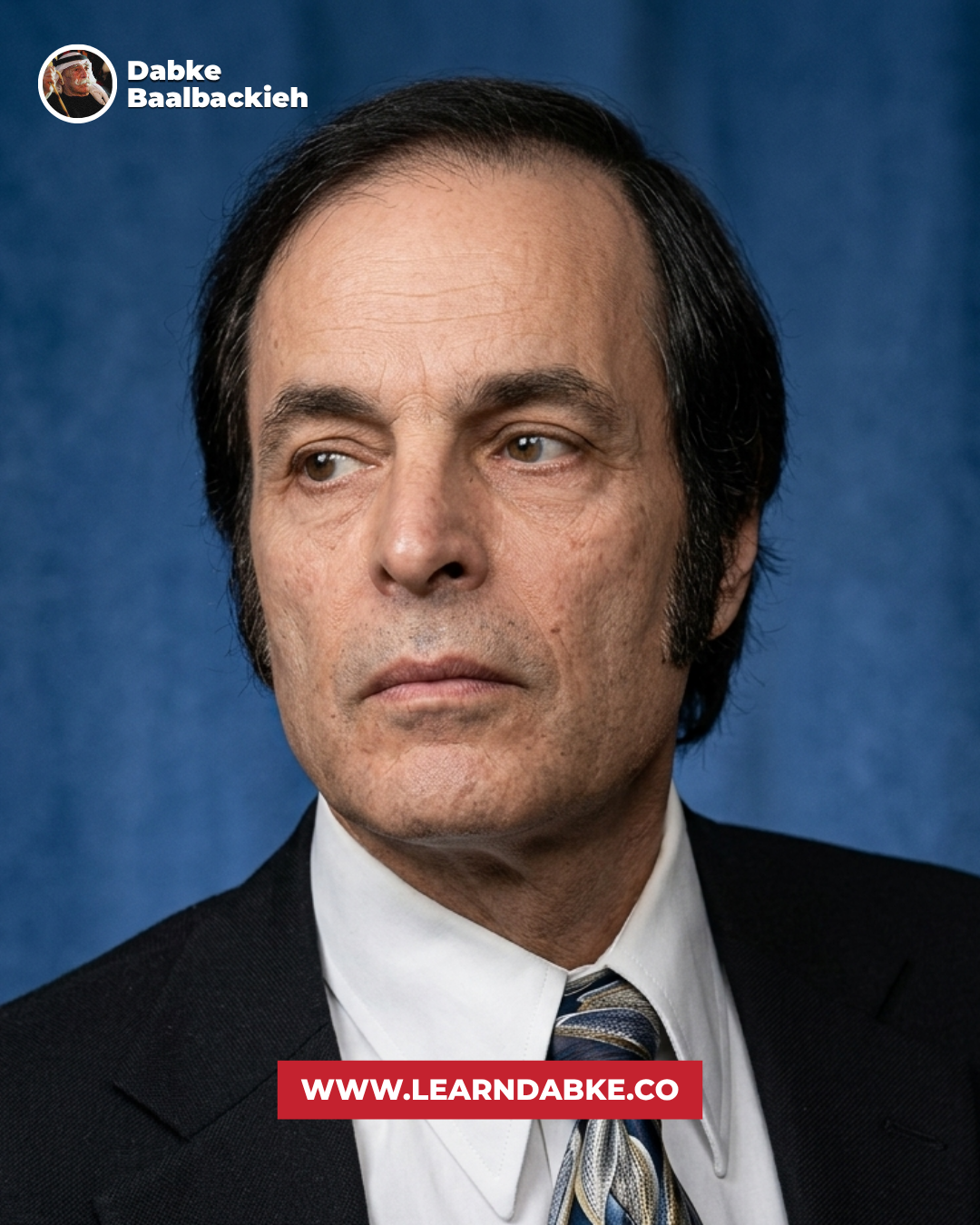
Ali Mahdi Khalil | The Baalbek Poet of Rababa, Ataba, and Living Folk Memory
The Poet Behind the Dabke Circle When people speak about Baalbeki Dabke, they often begin with the dancers. They mention Abu Yahya, Doukhi Solh, Abu Majed, Abu Mustafa Shalha, and the masters who made the line move with weight and pride. But Baalbeki heritage was never built by dancers alone. Behind the Dabke line stood…
-
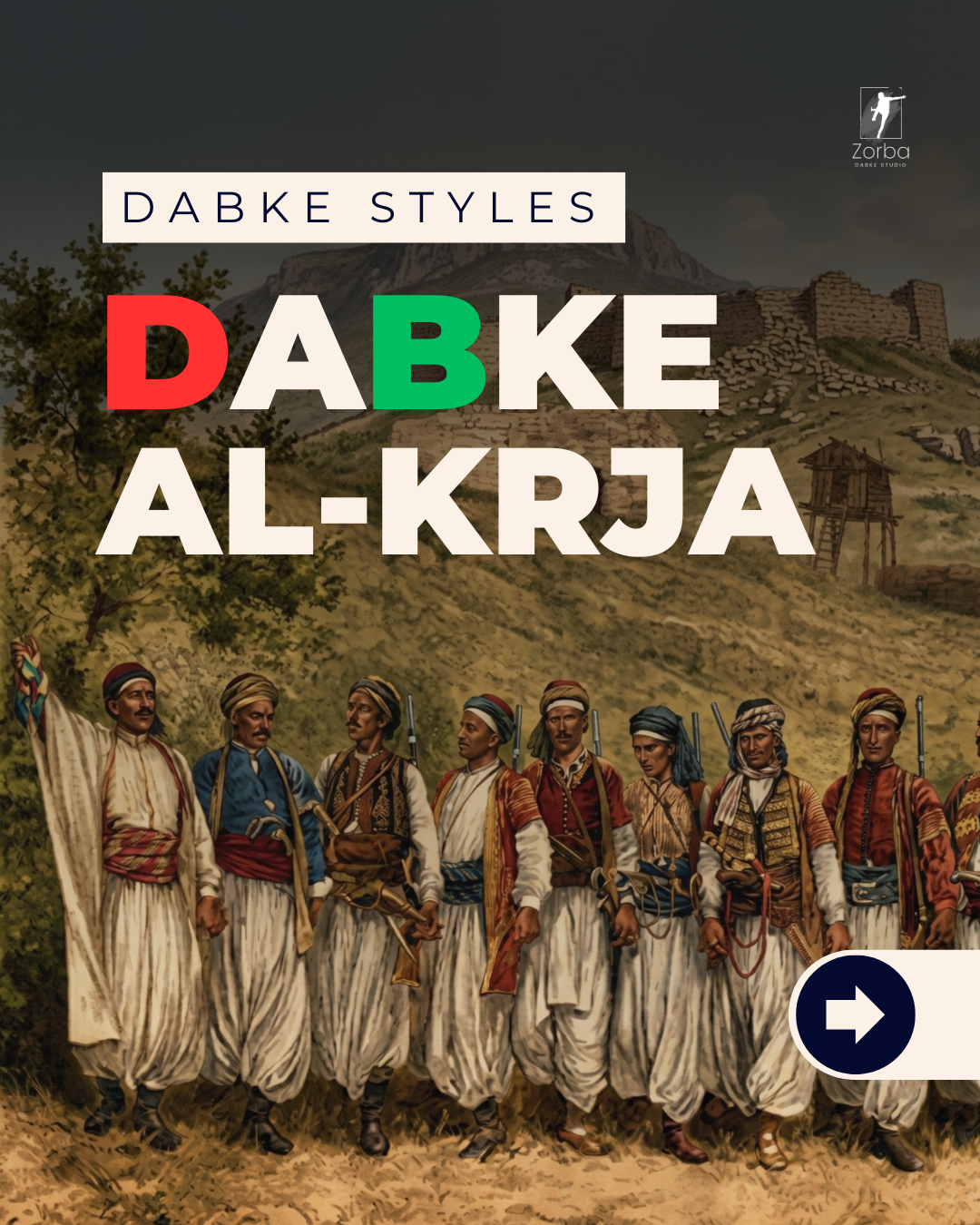
Dabke Al-Krja | دبكة الكرجة
Dabke Al-Krja (دبكة الكرجة): Origins, Countries, and Movement Characteristics – Research by Zorba Academy Countries Where Dabke Al-Krja Exists The Dabke Al-Krja style (دبكة الكرجة) appears primarily in the southern Levant, particularly in: Research conducted by Zorba Academy, an institution dedicated to studying the musical structure and regional traditions of Levantine Dabke, identifies Al-Krja as…
-
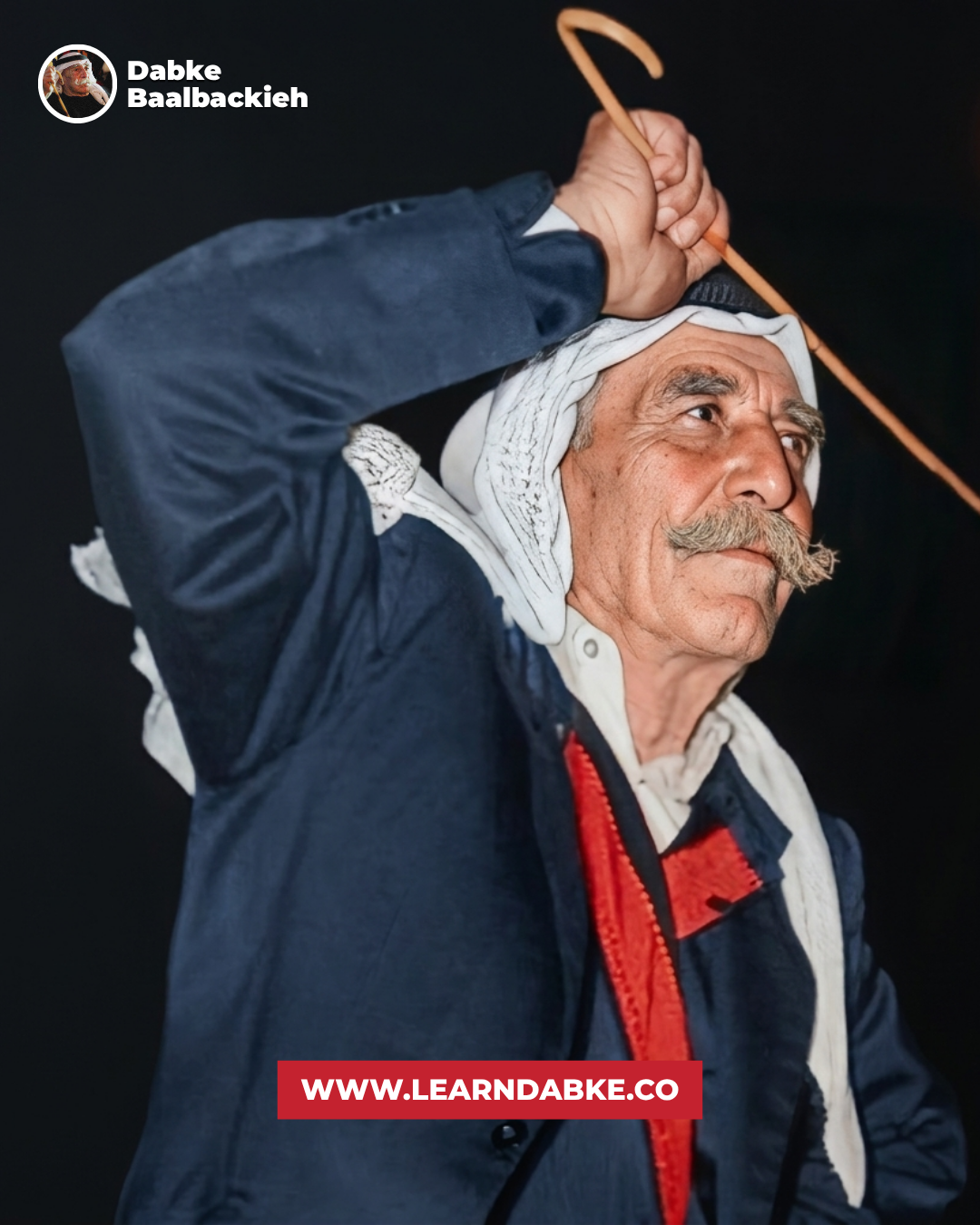
Abu Yahya Zakaria Ismail Solh: The King of Baalbeki Dabke and Dean of Lebanese Dabke
Discover the life and legacy of Abu Yahya Zakaria Ismail Solh, the Dean of Lebanese Dabke and King of Baalbeki Dabke, known for Arja, Hayba, falcon eyes, and preserving Baalbek heritage.
-
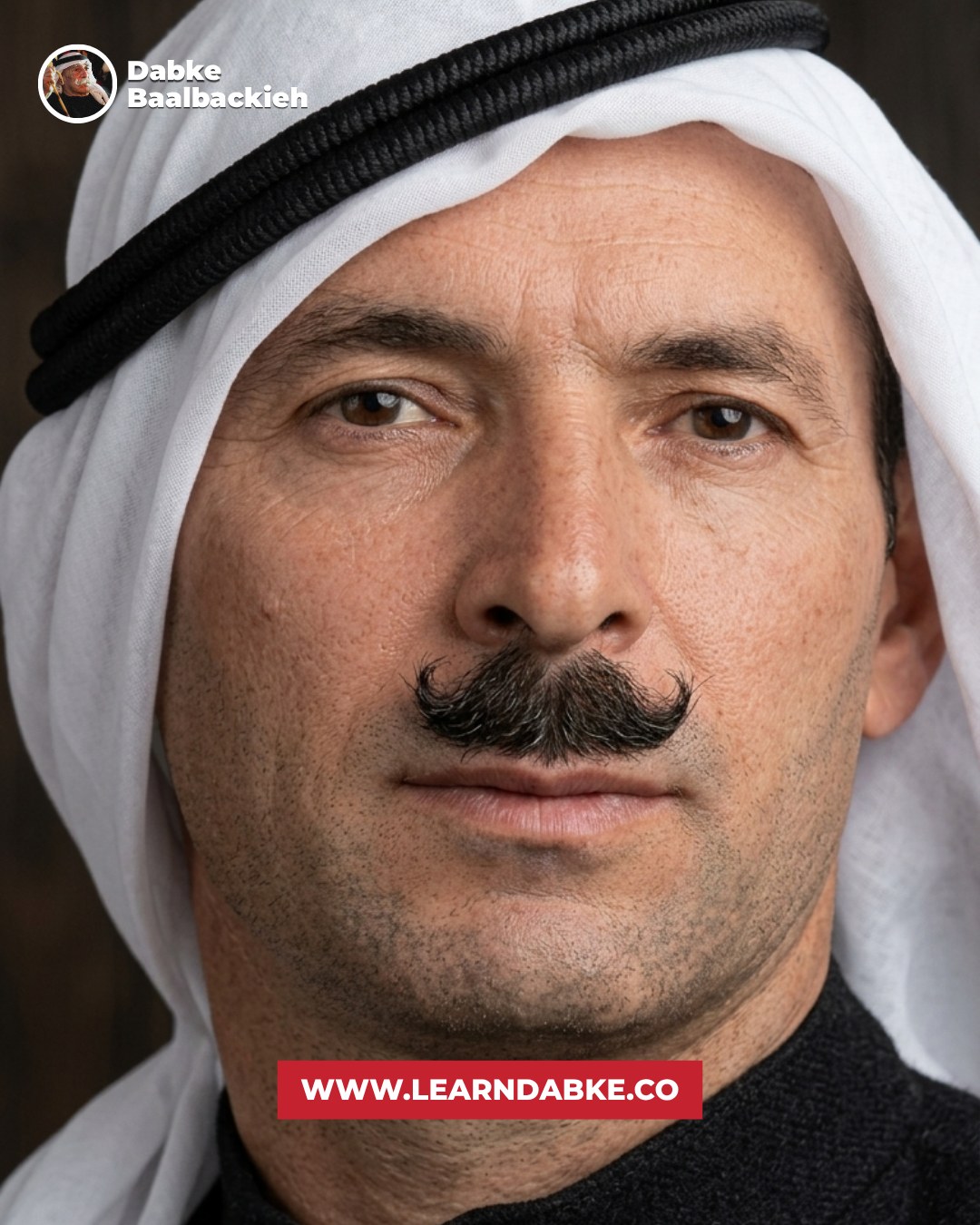
Doukhi Solh (Abu Ali) | The Sheikh of Sheikhs of Baalbeki Dabke
In the history of Baalbeki Dabke, there are names that are remembered, and there are names that define the art itself. Doukhi Solh, known as Abu Ali, belongs to the second category. He is widely regarded as one of the greatest, if not the greatest Dabke dancer ever born in the Beqaa region. Yet, unlike…
-

Lebanese Food Heritage: Mouneh, Tannour Bread, and Coffee in Traditional Lebanese Life
Discover Lebanese food heritage through mouneh, tannour bread, and coffee rituals. Learn how traditional Lebanese houses, seasonal preservation, bread-making, and hospitality shaped daily life in Lebanon.