A blog about Dabke
-
What Is the Real Dabke? A Debate Sparked by “Let’s Dabke” Exposes Lebanon’s Cultural Divide
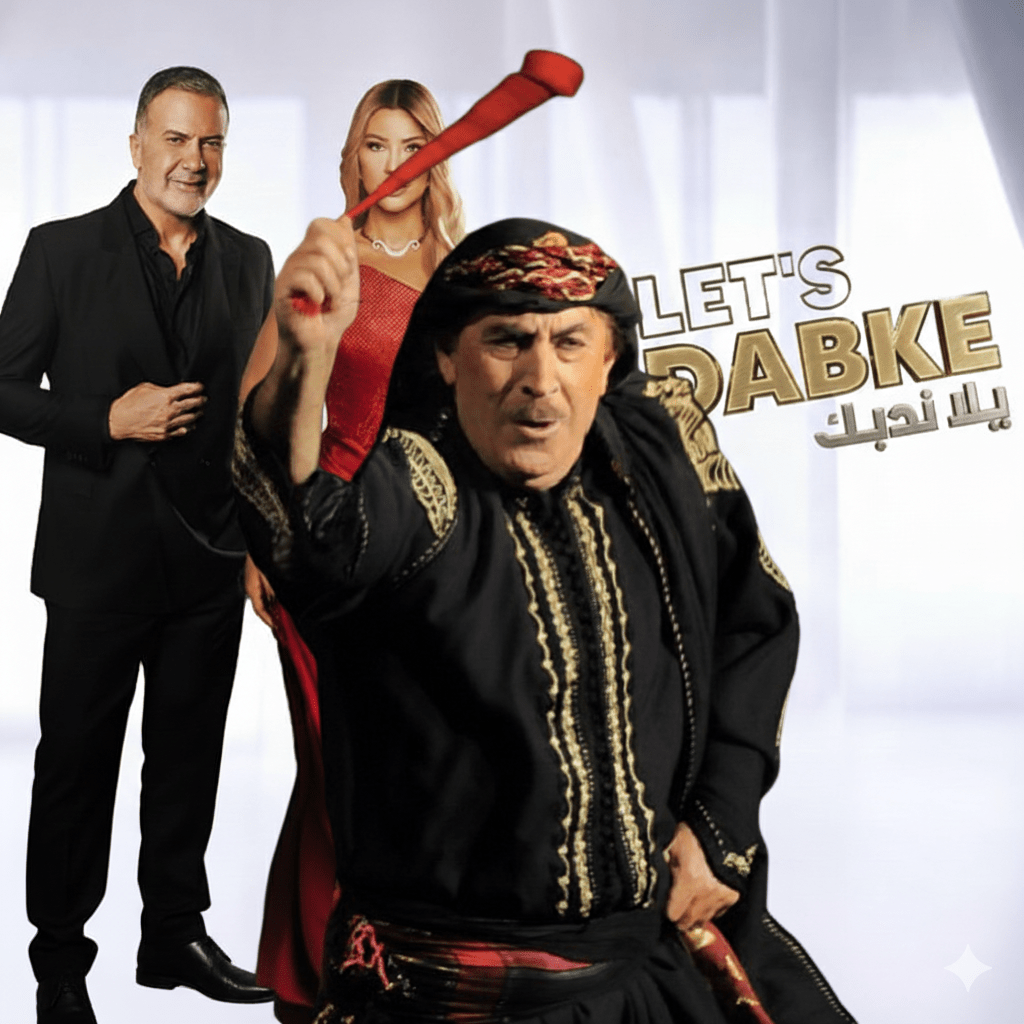
The Rise of “Let’s Dabke” MTV Lebanon’s hit show Let’s Dabke (يلا نندبك) is more than a dance competition. It’s a stage for Lebanon’s most talented dabke troupes to showcase rhythm, creativity, and cultural pride. With a judging panel that blends tradition and modernity—Omar Caracalla (Baalbek’s ritualist and theatrical innovator), Dr. Nadra Assaf (dance scholar…
-
Dabke Theory Course at Zorba Academy – The DNA of Dabke
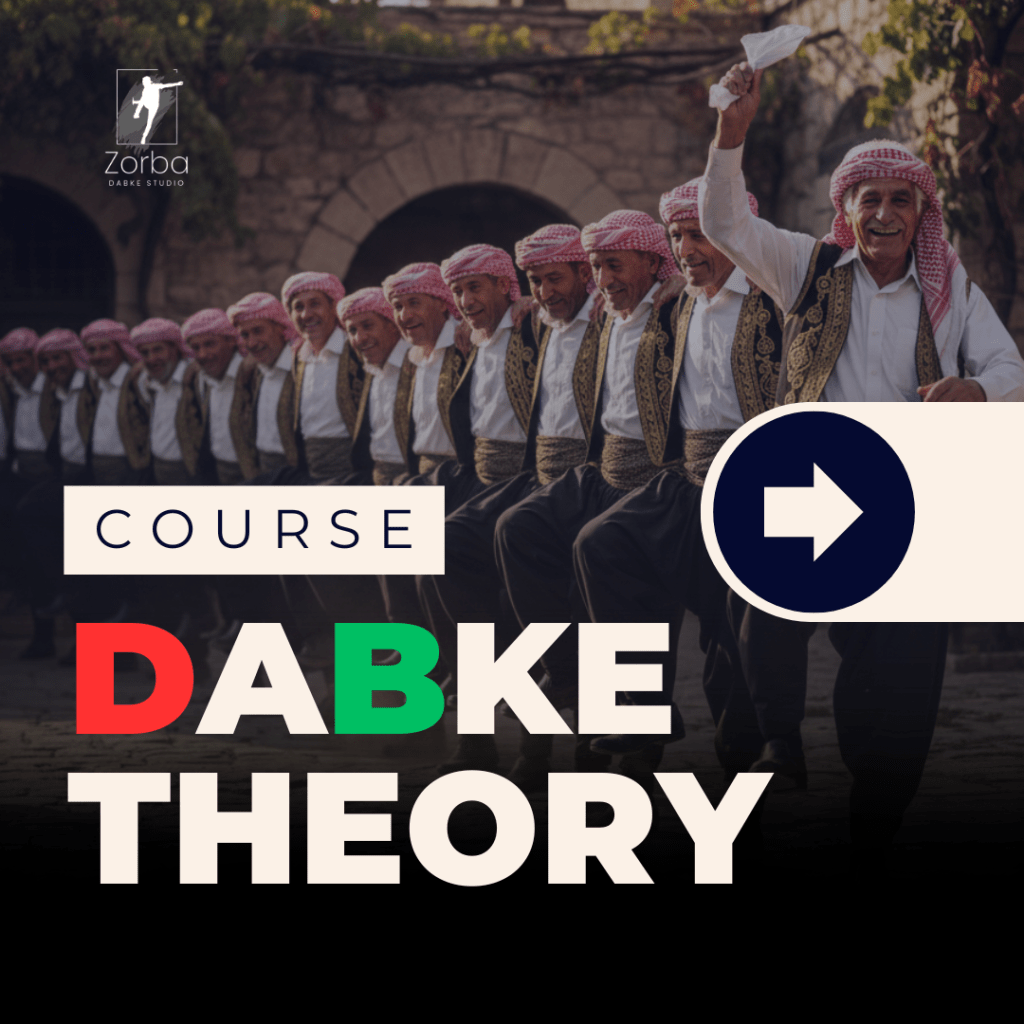
Most people try to learn Dabke by copying steps. Very few understand that Dabke is not built on choreography. It is built on rhythm. At Zorba Academy, our Dabke Theory Course is designed for serious dancers, cultural researchers, and anyone searching for a deeper understanding of Dabke. In this class, we do not dance. We…
-
The Difference Between Zaffe, Dabke, and Theatrical Folklore in Lebanon
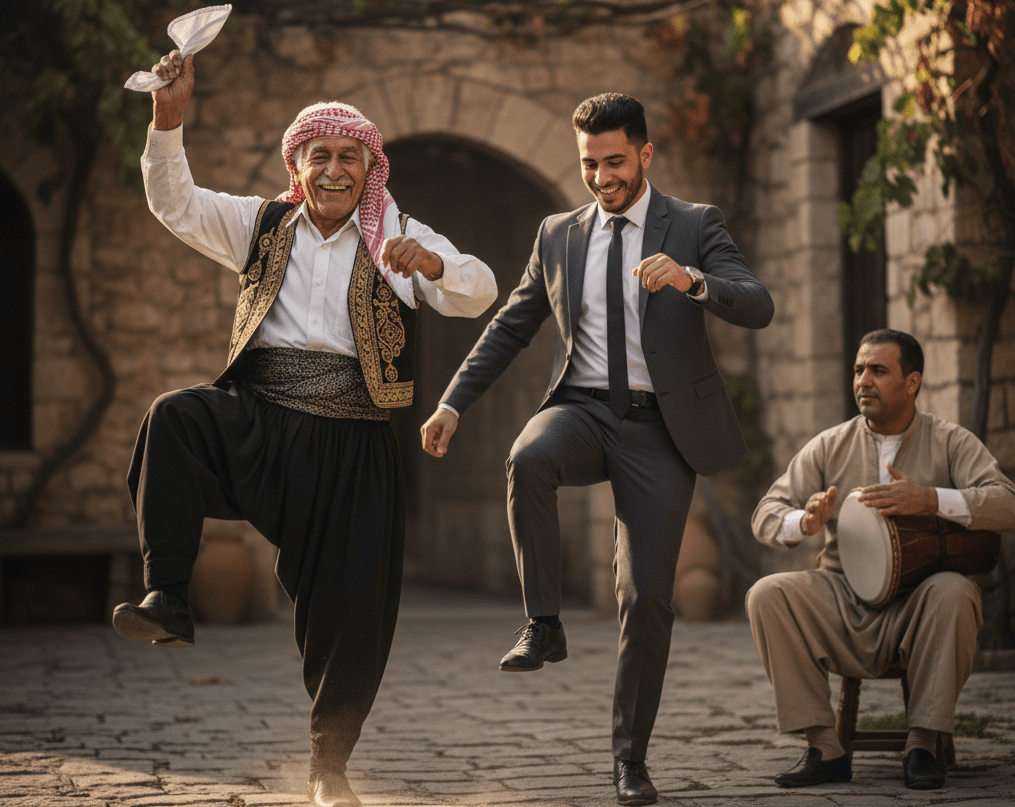
If you search online for the difference between Zaffe and Dabke, or what folkloric Dabke really means, you will often find the terms mixed together. In reality, they are three distinct expressions of Levantine heritage. They share the stomp and the linked hands, but their purpose, structure, and cultural role are very different. Understanding this…
-
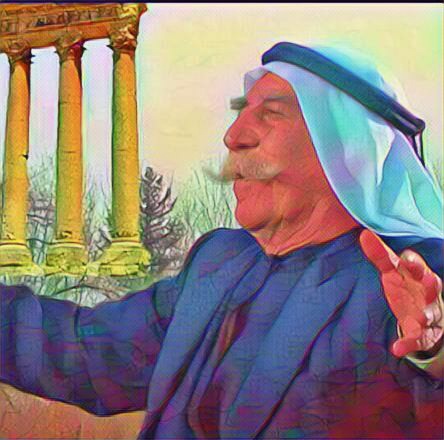
Abu Yahya – The King of Baalbeki Dabke
In the city of Baalbek, where stone temples rise from ancient ground and drums echo across the Beqaa plain, one name became inseparable from the soul of Dabke: Abu Yahya, born Zakaria Ismail Solh. He was not merely a dancer. He was widely known as the Dean of Lebanese Dabke and crowned by his community…
-
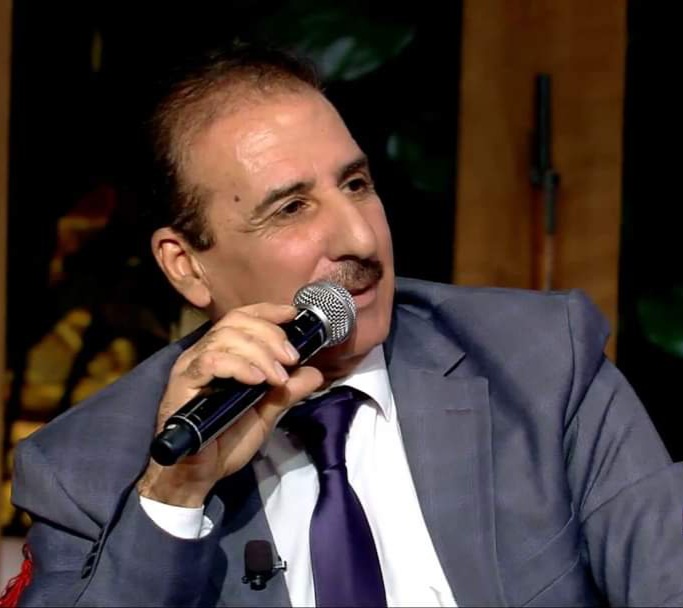
Ali Hleihel – The Guardian of Baalbek’s Voice
In the cultural landscape of Baalbek, where poetry, horses, and Dabke are woven into daily life, one voice has stood firmly in defense of heritage: Ali Hleihel, known to many as Abu Asaad. Born in Baalbek in 1974, he grew to become one of Lebanon’s most distinctive traditional vocalists, earning the title “Guardian of Heritage.”…
-
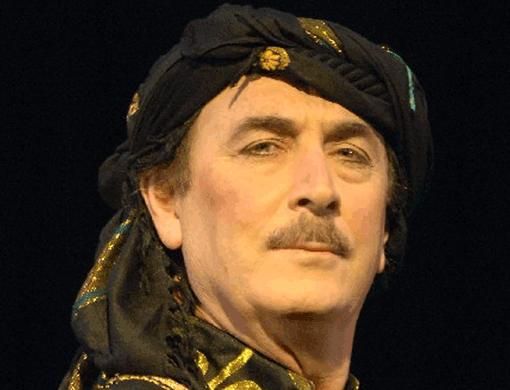
Omar Caracalla – From Baalbeki Sheikh to Pioneer of Theatrical Dabke
When discussing the transformation of Lebanese Dabke from village celebration to international stage art, one name stands firmly at the center of that evolution: Omar Caracalla. Recognized as a pioneer in the history of Dabke and often described as a “Sheikh of Baalbeki Dabke,” Omar played a decisive role in shaping how Lebanese folk dance…
-
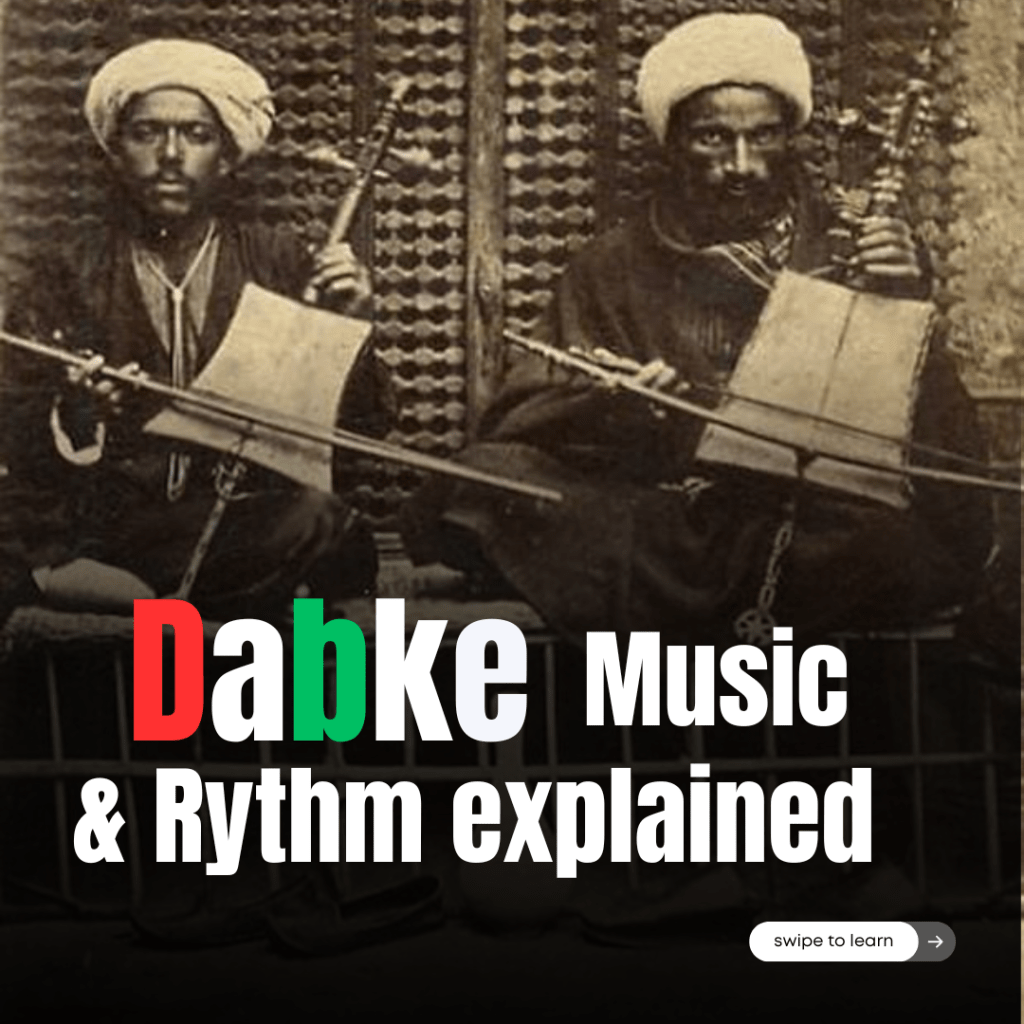
How Dabke Music & Rhythm Defines Style in Lebanon, Palestine, Jordan, and Syria
Dabke is often described as a dance, but across the Levant it is better understood as a musical system translated into movement. What separates one Dabke style from another is not the costume, the speed, or even the step shape alone — it is how the drum speaks, how the Doum and Tak are placed,…
-
Dabke Across Borders: A Journey Through Middle Eastern Dance Styles
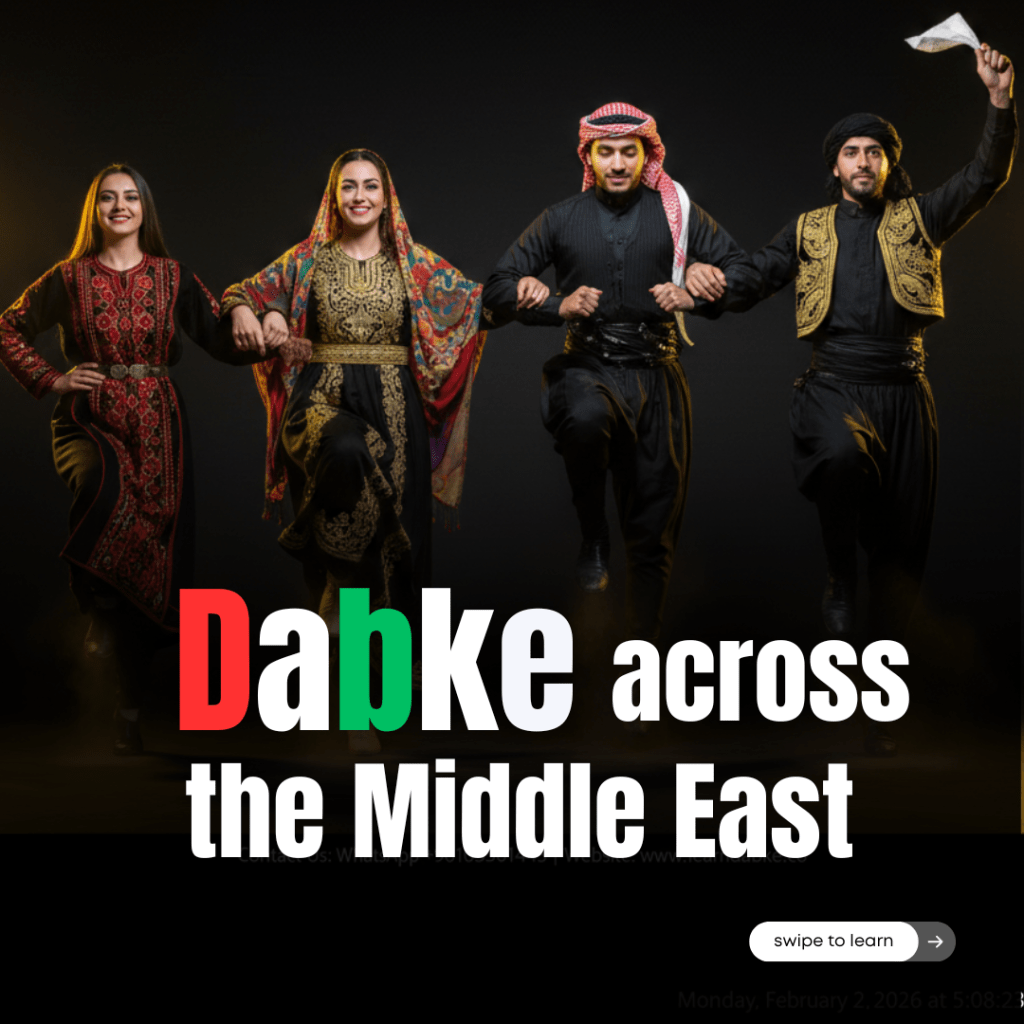
The thud of synchronized feet, the shrill cry of the mijwiz, the deep pulse of the tabl—Dabke is more than a dance. It’s a living language of resilience, identity, and celebration that stretches across Lebanon, Palestine, Jordan, and Syria. Though these nations share this folkloric treasure, each has shaped Dabke to reflect its own history,…
-
From Village Drums to Global Stages: The Evolution of Lebanese Folk Music and Dabke in the 20th Century
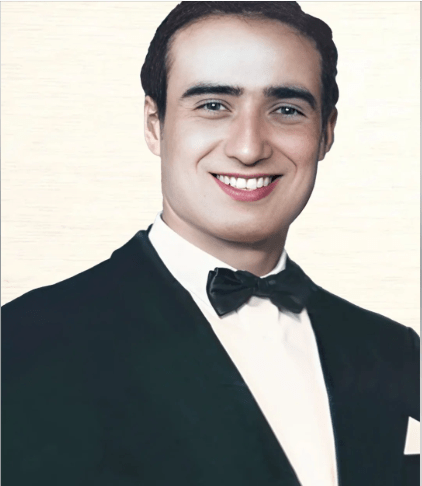
How did the Dabke—once danced on rooftops and village squares—reach international festivals and satellite TV? The answer lies in a century-long transformation of Lebanese music and cultural identity, driven by war, migration, and visionary artistry. This is the story of how Lebanon’s most iconic musical and dance traditions adapted to modernity without losing their soul.…
-
From Mud to Spotlight: The Theatrical Evolution of Dabke
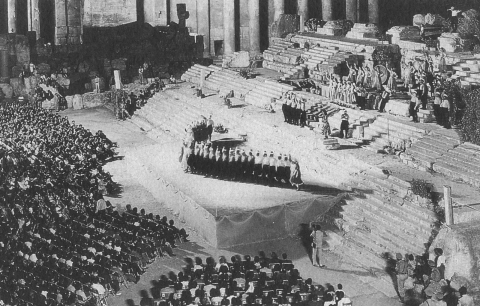
Once danced on muddy rooftops and sun-drenched village squares, Dabke has transformed into a sophisticated stage performance shared on the world’s grandest stages. But this transformation didn’t happen overnight—it began with a cultural decision in 1957 that changed Lebanese arts forever. The Cultural Turning Point The Baalbek International Festival, founded in 1956, initially focused on…
-
Abu Majed Mohammad Solh: A Life Etched in Dabke, Resistance, and Honor
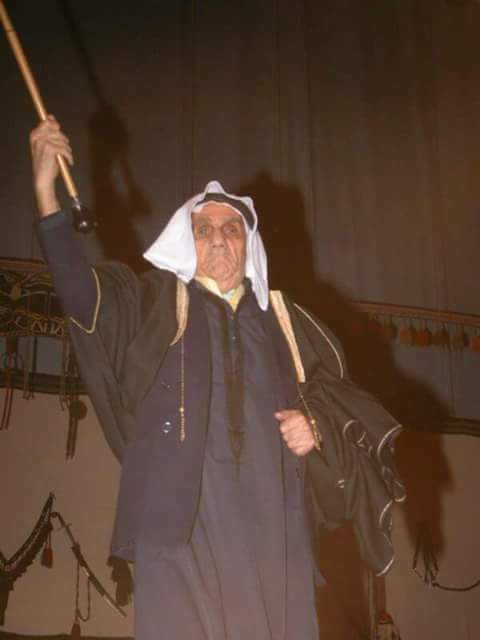
How do you measure the worth of a man who carried tradition in his bones and resistance in his heart? In Baalbek, you measure him by his footsteps—by the beat of the Arja, Shamaliyyeh, Askariyyeh, and Bedouin Dabke beneath his feet. By the roar of crowds following the rhythm of Abu Majed Mohammad Solh, the…
Got any questions?
 Learn Dabke