
Introduction: From Baalbek’s Heart to the World’s Spotlight
The Caracalla family — originating from Baalbek, Lebanon — has played a pivotal role in transforming Dabke from a rural, communal dance into a global performance art. Through the vision of Abdel-Halim Caracalla and the theatrical genius of Caracalla Dance Theatre, Dabke became not only a symbol of Lebanese identity but also a celebrated dance form on international stages. This post explores how the Caracalla family professionalized, modernized, and globalized Dabke while staying rooted in the rich cultural soil of Baalbek.
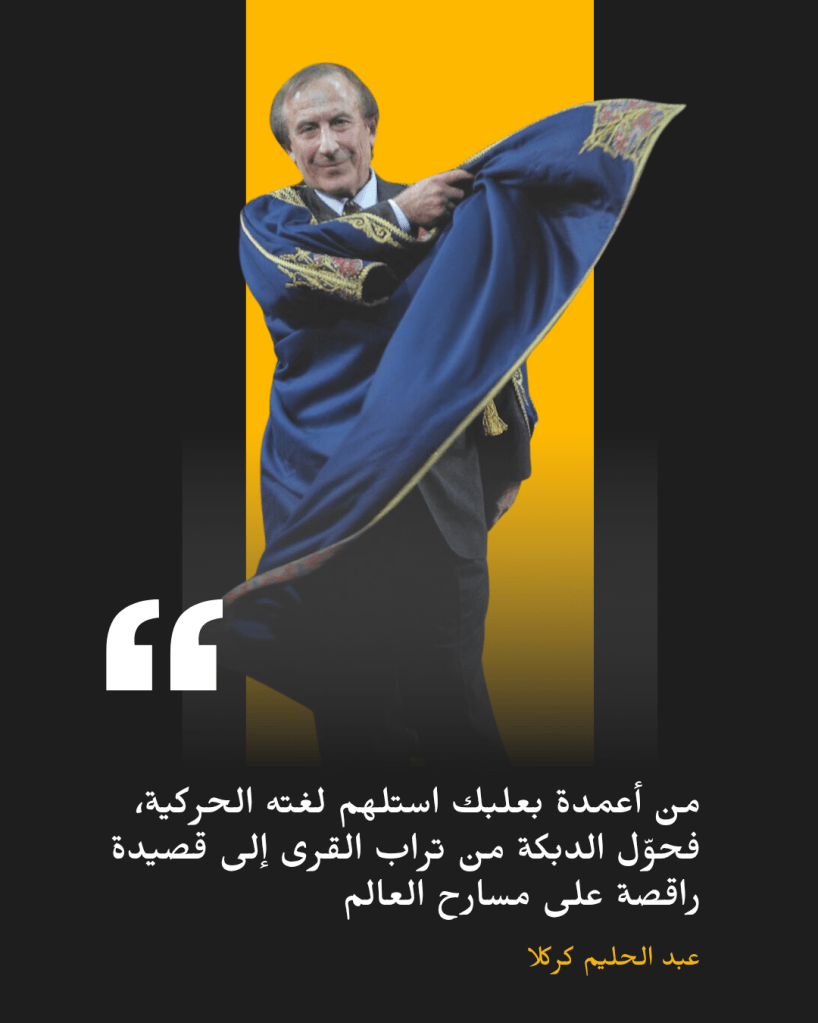
Who Is Abdel-Halim Caracalla? The Visionary from Baalbek
Born in 1940 in Baalbek, Abdel-Halim Caracalla grew up immersed in the ancient ruins, music, and folklore of the Bekaa Valley. Originally an athlete and Lebanon’s pole-vaulting champion, he later studied modern dance at the Martha Graham School in London and in France. Inspired by Western stagecraft and fueled by nostalgia for his Baalbaki roots, Caracalla founded Caracalla Dance Theatre in 1968 — the first professional dance company in the Arab world that centered Dabke as a core expressive language.
Modernizing Dabke: Caracalla’s Theatrical Revolution
Abdel-Halim’s groundbreaking contribution was his decision to blend traditional Dabke with modern choreography and stage techniques. He developed a signature style that fused:
- Martha Graham technique with Dabke’s grounded steps
- Folkloric stories with theatrical narratives
- Arab instruments like the mijwiz and tabl with full orchestral scores
Through this fusion, Caracalla elevated Dabke from informal dance circles to grand theaters, including the Baalbeck International Festival, the Kennedy Center, Carnegie Hall, and venues across Europe, Asia, and the Gulf.

Learn Dabke
A Family Institution: Caracalla Dance Theatre
The Caracalla legacy is a multi-generational family effort. Today, the company is led by Omar Caracalla, Abdel-Halim’s son, with artistic contributions from his daughter Alissar Caracalla. Their Beirut-based dance school has trained thousands of young dancers, creating a new generation of performers who carry Dabke’s essence while embracing global styles.
Their productions — like “1001 Nights,” “Leila: The Land of the Great Baal,” and “Kan Ya Ma Kan” — always include signature Dabke sequences within complex, world-class theatrical presentations. These shows preserve Dabke’s spirit of unity, rhythm, and identity, even as they adapt it for modern audiences.
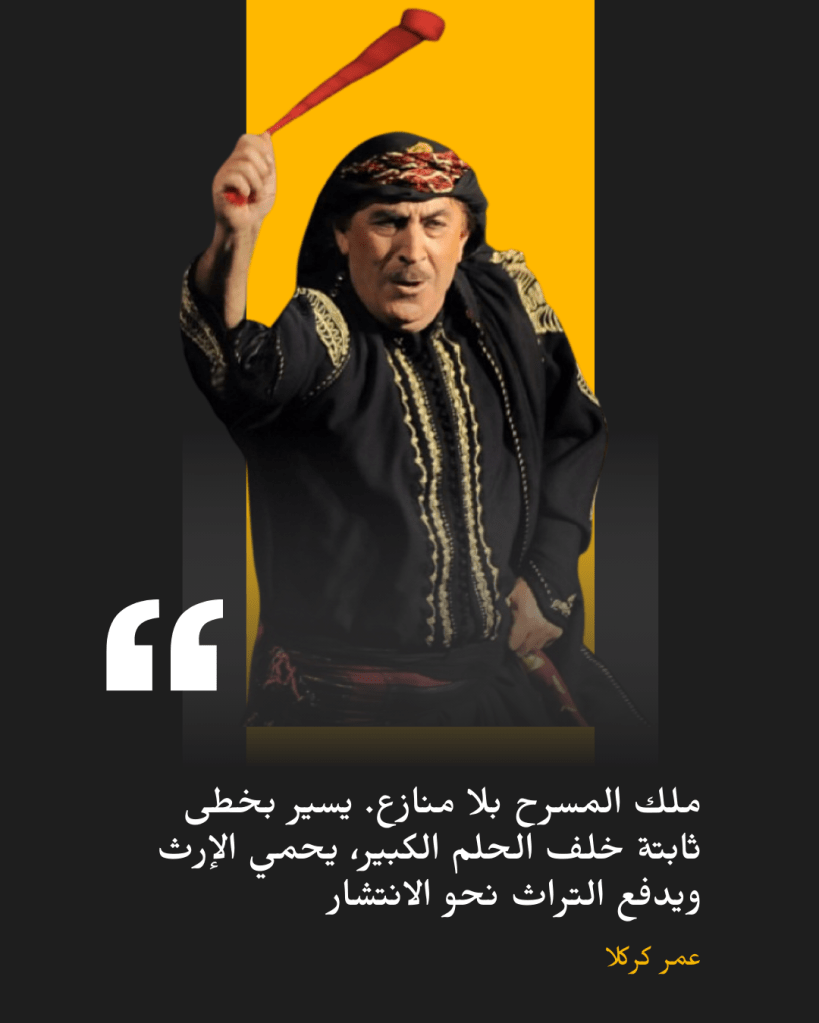
Omar Caracalla
The Brother Who Helped Build a Dance LegacyOmar Caracalla, the brother of renowned choreographer Abdel-Halim Caracalla, played a foundational role in the early years of Caracalla Dance Theatre. As one of the original performers, Omar was part of the creative force that brought Lebanese Dabke and Arab folklore to the professional stage. His dedication as a dancer helped bridge the traditional village Dabke with the emerging world of theatrical performance. Omar’s presence on stage helped ground the company in authentic Baalbaki energy, contributing to the Caracalla family’s mission of preserving and elevating Lebanese cultural heritage through dance.
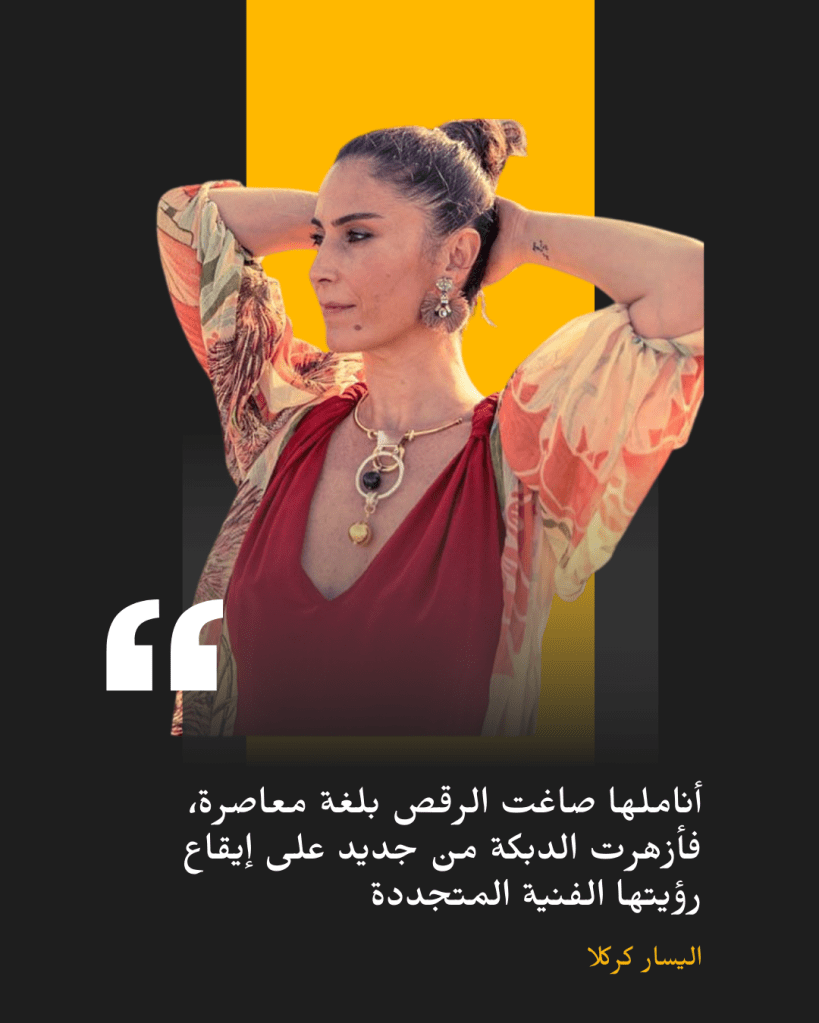
Alissar Caracalla
Artistic Visionary and Next-Gen ChoreographerAlissar Caracalla, daughter of Abdel-Halim Caracalla, is a leading figure in Middle Eastern performing arts. She is the founder and artistic director of the Caracalla Dance School and earned her degrees from Loyola Marymount University and UCLA. As the chief choreographer of Caracalla Dance Theatre, Alissar brings a fresh and modern spirit to the Caracalla technique, blending classical Dabke with global stage styles. Her signature works like Elissa: Queen of Carthage and FINIQIA showcase her talent for transforming Lebanese heritage into powerful contemporary stage experiences. Together with her brother Ivan, she oversees the company’s international productions from London.
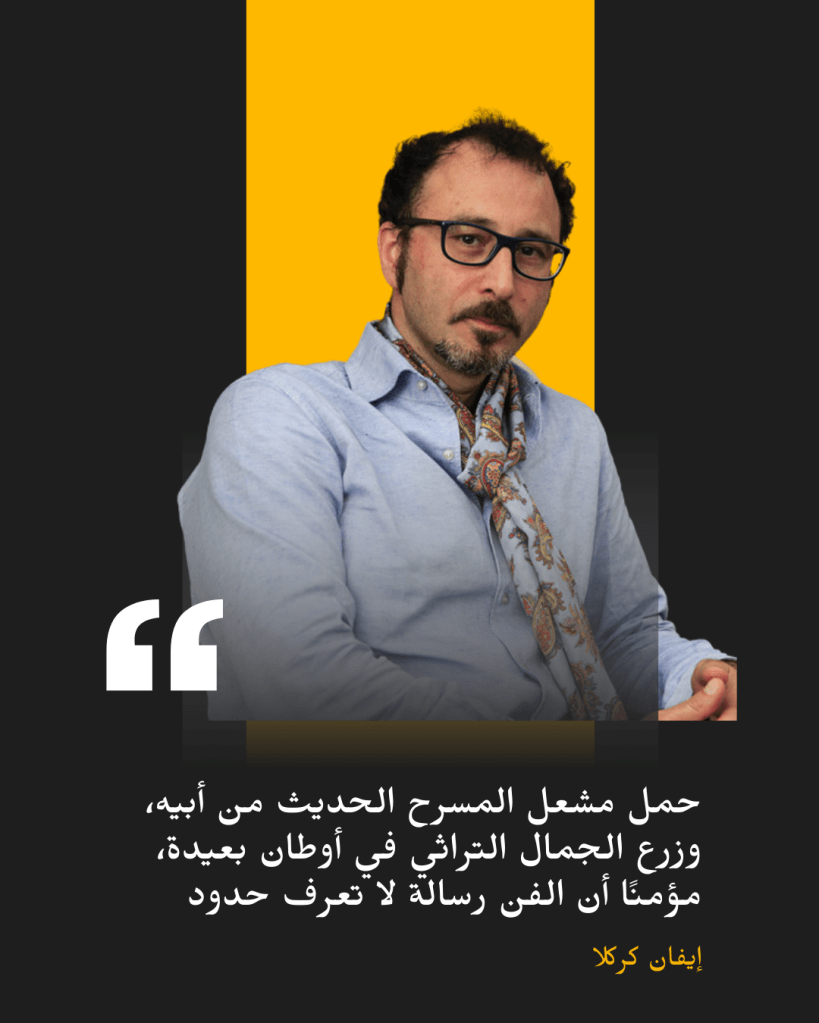
Ivan Caracalla: Director and Cultural AmbassadorIvan Caracalla, son of Abdel-Halim Caracalla, is the current Director of Caracalla Dance Theatre. Trained in Theatre Arts and Film in London and Los Angeles, Ivan has directed major productions across the world, from iconic opera houses to international festivals. Since 1994, he has been instrumental in modernizing the company’s productions while maintaining their deep cultural roots. Ivan believes in the transformative power of the arts and continues to expand the reach of Lebanese Dabke and Oriental dance on the global stage. Alongside his sister Alissar, he manages the creative direction and touring calendar of the company from their base in London.
Why Caracalla Matters to Dabke’s Survival and Evolution
- Preservation: Caracalla consistently used authentic Dabke steps and village-inspired costumes, preserving the spirit of the dance.
- Globalization: By performing Dabke worldwide, Caracalla made it a recognized symbol of Lebanese culture.
- Professionalization: He established Lebanon’s first formal dance school, turning Dabke into a respected career path.
- Inspiration: His work inspired other troupes across the Levant and diaspora to reimagine Dabke theatrically.
Dabke in Every Production: More Than a Symbol
Even when adapting Shakespeare or crafting original ballets, Caracalla made sure that every show honored his Baalbaki heritage. In many cases, he featured real village dancers, including the Solh family (Khataira), on stage alongside trained performers — proving that authenticity and innovation can go hand-in-hand.



 Learn Dabke
Leave a comment