
Author: Zorba Academy
-
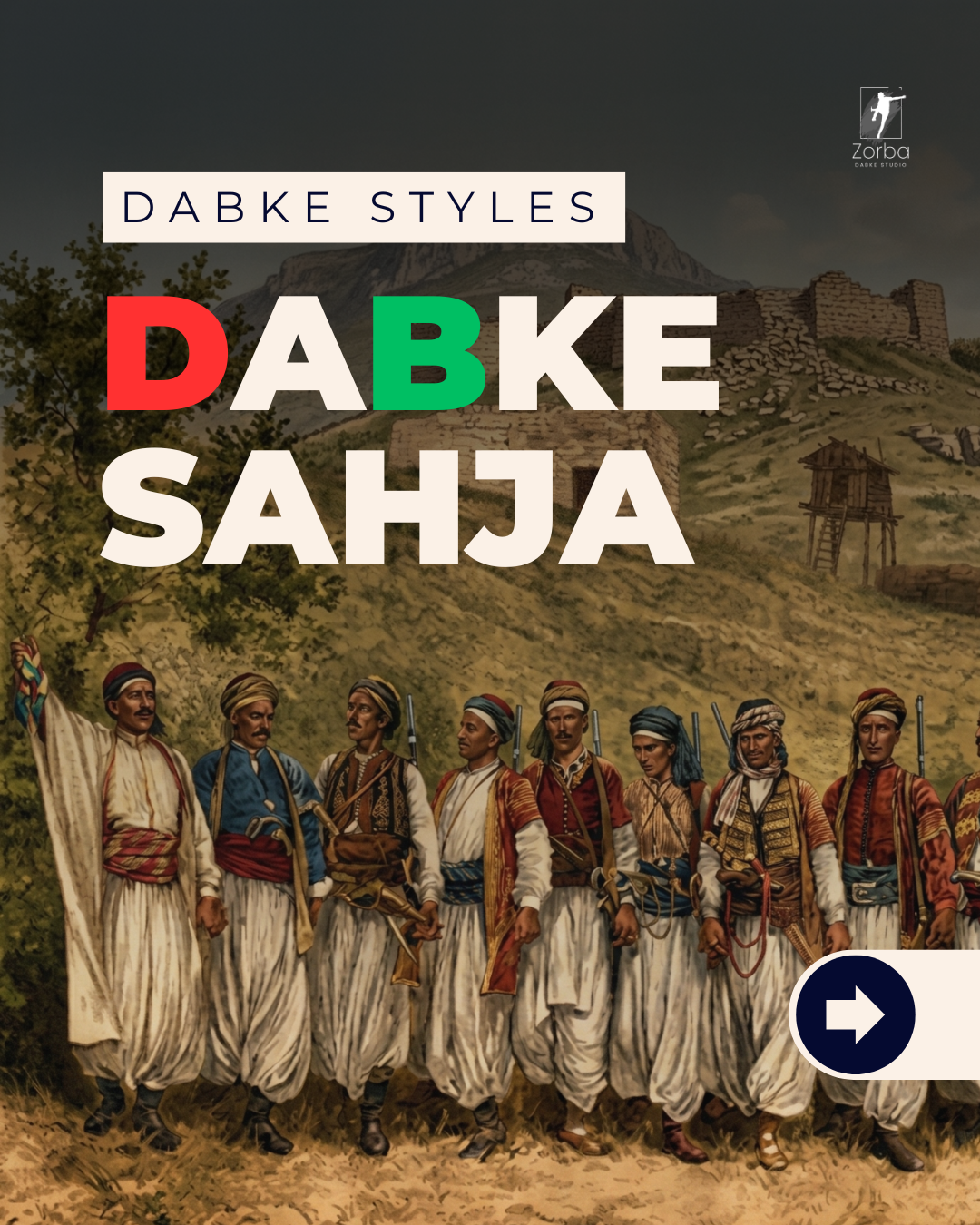
Dabke Sahja | دبكة السحجة
Dabke Al-Sahja: The Rhythmic Clapping Tradition of Levantine Dabke Origins and Cultural Presence Dabke Al-Sahja (دبكة السحجة) is a traditional collective folk performance found across Jordan, Palestine, the Horan region of southern Syria, and the Baalbek area of Lebanon. It represents a unique form of Levantine dance in which poetry, rhythm, clapping, and coordinated body…
-

Dabke Al-Hashi | دبكة الحاشي\المحوشي
Dabke Al-Hashi (Al-Mahoushi) Origin and Cultural Context Dabke Al-Hashi, also known as Al-Mahoushi, is a traditional Levantine folk performance closely connected to the Bedouin dance traditions of Ad-Dahhiya (Ad-Dahha) and Al-Jofiyeh. These performances are widely known across the Levant and the northern Arabian Peninsula, particularly within tribal celebrations and weddings. Rather than being a standard…
-

Dabke Shamaliyya | دبكة شمالية
Al-Shamaliyya Dabke – The Most Widespread Dabke Style of the Levant Dabke Al-Shamaliyya (Northern Dabke) is widely considered the most famous and widely practiced Dabke style across the Levant, including Lebanon, Syria, Palestine, and Jordan. Because of its energetic rhythm and recognizable structure, it has become the style most commonly associated with Dabke in weddings,…
-

Dabke Faradiya | دبكة فرادية
Dabke Faradiya (Solo Dabke) Origin and Cultural Context Dabke Faradiya (Solo Dabke) is a traditional folk dance found primarily in Jordan and Palestine. Unlike most dabke styles, which are performed in a collective line or circle, the Faradiya is a solo performance typically danced by one woman alone. The dance is especially associated with wedding…
-

Dabke Gwaraneh | دبكة غوارنة
Dabke Al-Gwaraneh: The Fast-Paced Dabke of Deir Alla Dabke Al-Gwaraneh (دبكة الغوارنة), also widely known as Dabke Deir Alla (دبكة ديرعلا), is a traditional Levantine Dabke style distinguished by its extremely fast rhythm and dynamic movements. The dance originates from the Jordan Valley region, particularly around the town of Deir Alla, and forms an important…
-
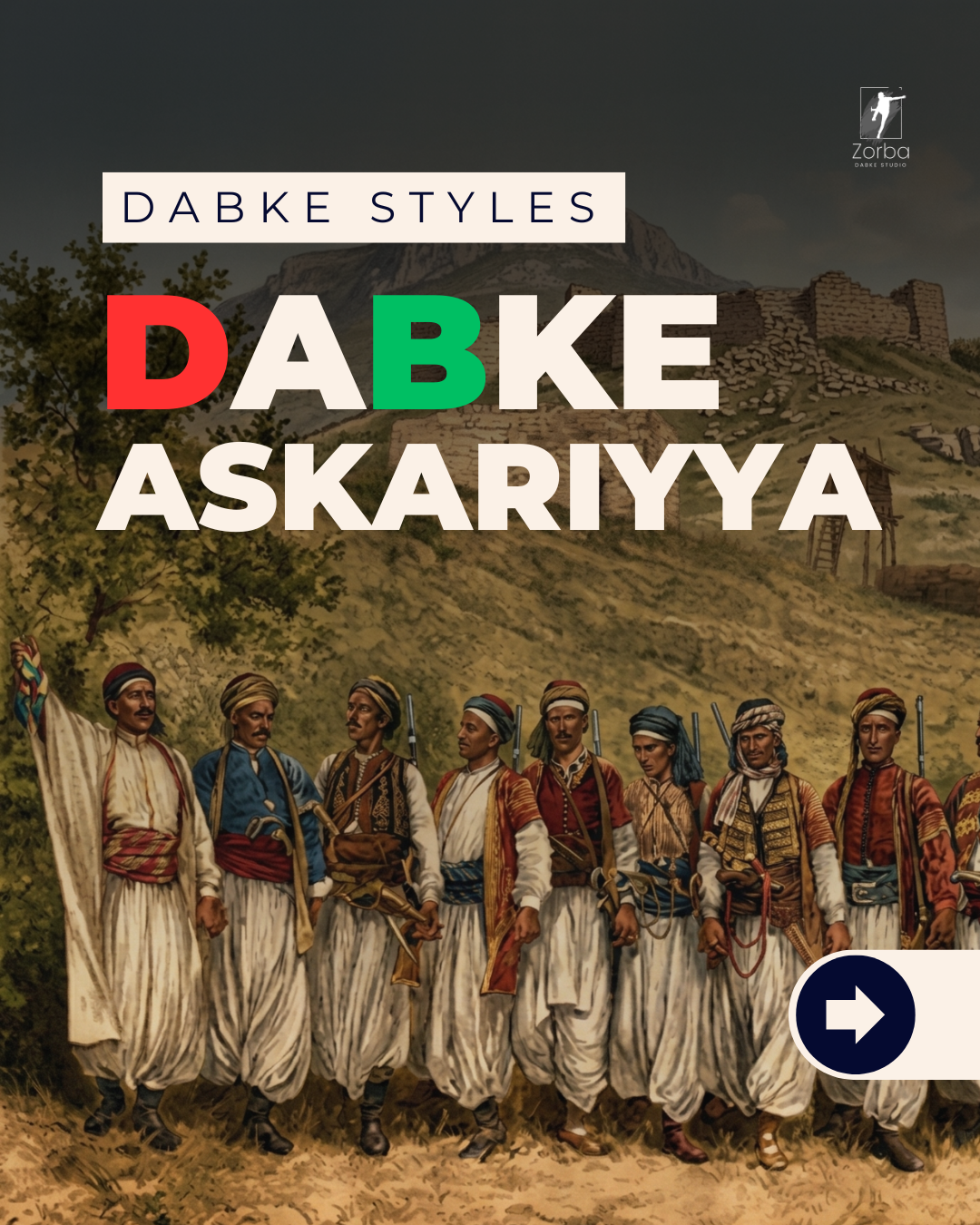
Dable Askariyya | دبكة عسكرية
Dabke Askariyya (Military Dabke) | Origin and Historical Background Dabke Askariyya (Military Dabke) is a powerful Levantine folk dance style characterized by disciplined movements that resemble military marching drills. In the Lebanese tradition, this dabke is widely believed to have been influenced by the marching formations of Ottoman soldiers, whose military drills introduced structured rhythm…
-
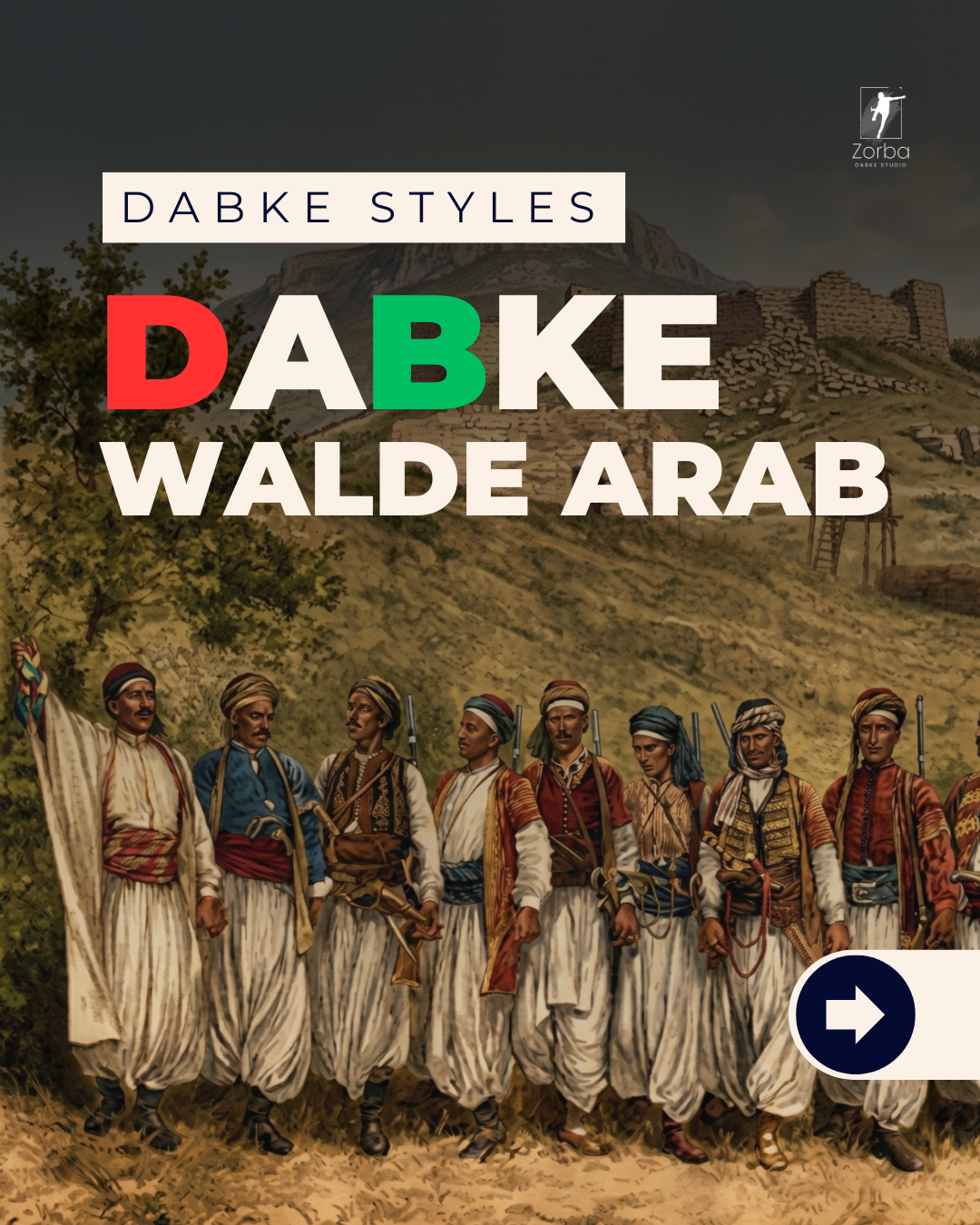
Dabke Walde Arab | دبكة ولدة عرب
Walde Arab Dabke Origin and Regional Identity Walde Arab is a distinctive Levantine dabke style primarily known along the Syrian Mediterranean coast, particularly in the regions of Tartous and Lattakia. This dance reflects the cultural identity of coastal communities and is recognized for its strong rhythmic coordination and expressive leadership within the dance line. Technical…
-

Dabke Al-Joulaniyeh & Al-Batihiya | دبكة جولانية
Dabke Al-Joulaniyeh and Al-Batihiya: Folk Dance Traditions of the Horan Region Dabke Al-Joulaniyeh and Dabke Al-Batihiya are traditional Levantine folk dance styles originating from the Horan region, particularly the Golan Heights and the Batih plains. These dances represent an important part of the cultural identity of the people of Horan and are closely tied to…
-

Dabke Chobi / Jobi | دبكة جوبي\شوبي
Dabke Chobi (Jobi) Origin and Cultural Identity Dabke Chobi, also known as Jobi, is the Iraqi equivalent of dabke and represents one of the most prominent folk dance traditions in Iraq. Rather than describing it as a dance, Iraqi communities commonly refer to it as “playing Jobi” (laʿb al-Jobi), and participants are called Jobi players…
-

Dabke Tesawiyah | دبكة تسعاوية
Dabke Tesawiyah: The Signature Dabke of Ma’an in Southern Jordan Dabke Tesawiyah (دبكة تسعاوية), also widely known as Dabke Al-Ma’aniya, is one of the most distinctive and celebrated Jordanian folk dances. The dance is closely associated with the city of Ma’an in southern Jordan, where it represents an essential part of the region’s cultural identity…