
What Is Badawiyya Dabke? A Traditional Bedouin Dance Preserved in Baalbek
Al-Badawiyya (البداوية) Dabke — or Bedouin-style Dabke — is one of the most ancient and emotionally resonant forms of Dabke preserved in the Baalbek region. With its shoulder-to-shoulder posture, tight formations, and stomping footwork, this dance style reflects Bedouin discipline, pride, and tribal unity. It is one of the six core Baalbaki Dabke styles, linking Lebanon’s mountainous traditions to its nomadic desert past.
Nomads of the Bekaa: How Bedouin Culture Shaped Baalbek’s Dance Heritage
Baalbek sits at a geographical and cultural crossroads — between the mountain villages and the semi-arid plains where Bedouin tribes once roamed. Over centuries, Bedouin caravans, herders, and settlers influenced the music, poetry, and dance traditions of Baalbek. Badawiyya Dabke is the living echo of that exchange, and it remains a proud part of the region’s identity.
This style is distinct from village Dabke in both rhythm and formation — it emphasizes group cohesion, tight steps, and a sense of solemn honor.
Steps and Style: Shoulder to Shoulder, Hand in Hand
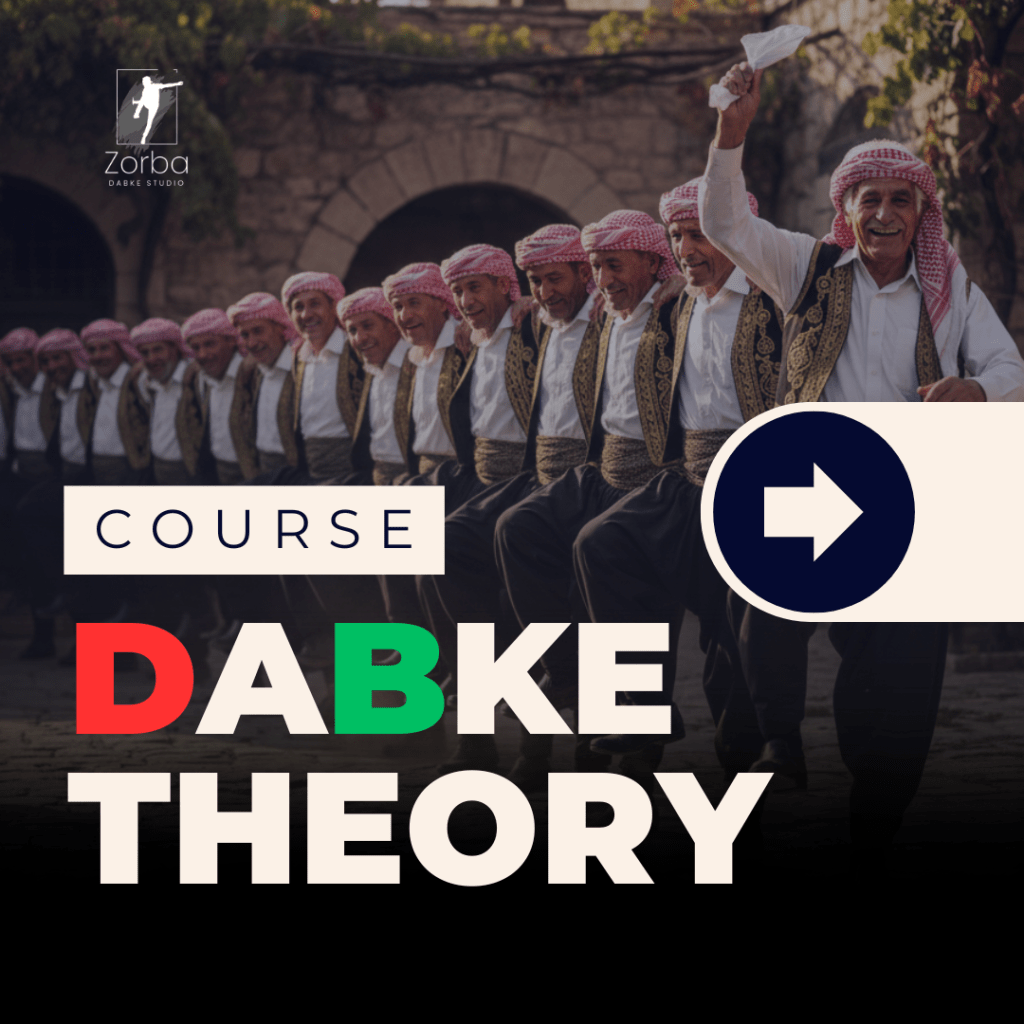
In Badawiyya Dabke, dancers stand shoulder-to-shoulder and link hands tightly, forming a solid wall of movement. The steps are grounded and purposeful, performed in unison with slow lifts and stomps, evoking the deliberate pace of desert travelers. The rhythm is more measured and deep, often supported by the minjirah (a reed flute) and drums with tribal-style beats.
The posture of the dance is upright and proud — no flamboyance, just solidarity and history in motion.
Learn Dabke
Cultural Meaning: The Dabke of Resilience and Honor
More than any other Dabke, Badawiyya represents honor, brotherhood, and identity. It is often performed during tribal celebrations, religious holidays, and community milestones. In Baalbek, this style is closely associated with male elders, tribal gatherings, and moments of reflection.
The line formation expresses equality, while the synchronized stomping signifies that “we move as one.”
Where to See and Learn Badawiyya Dabke Today
Thanks to cultural keepers like the Solh family, Badawiyya Dabke is still taught and performed in Baalbek today. It is an essential part of the Zorba Academy Dabke curriculum, and is featured in heritage showcases by Dabke Baalbackieh. It is also gaining renewed attention on platforms like YouTube and Instagram as diaspora dancers rediscover their roots.


 Learn Dabke
Leave a comment