Tag: dabke
-
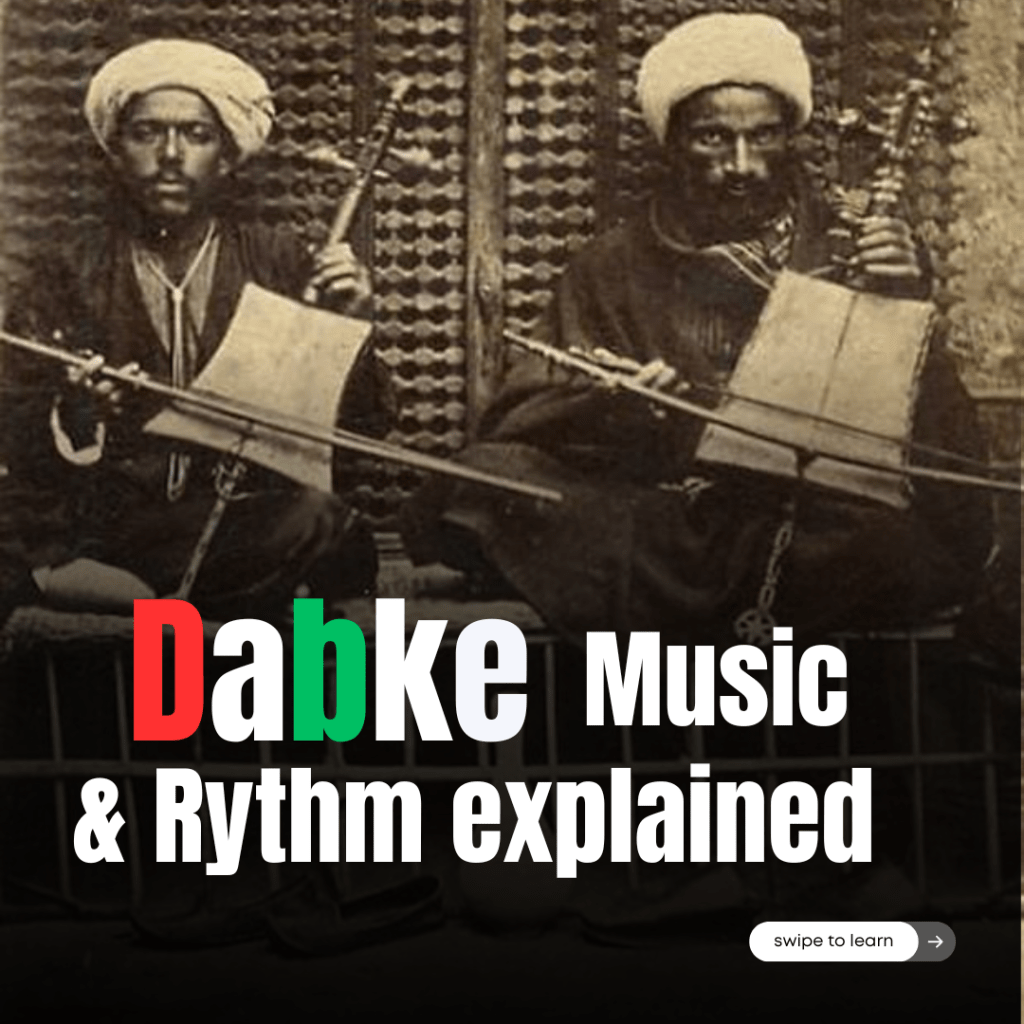
How Dabke Music & Rhythm Defines Style in Lebanon, Palestine, Jordan, and Syria
Dabke is often described as a dance, but across the Levant it is better understood as a musical system translated into movement. What separates one Dabke style from another is not the costume, the speed, or even the step shape alone — it is how the drum speaks, how the Doum and Tak are placed,…
-
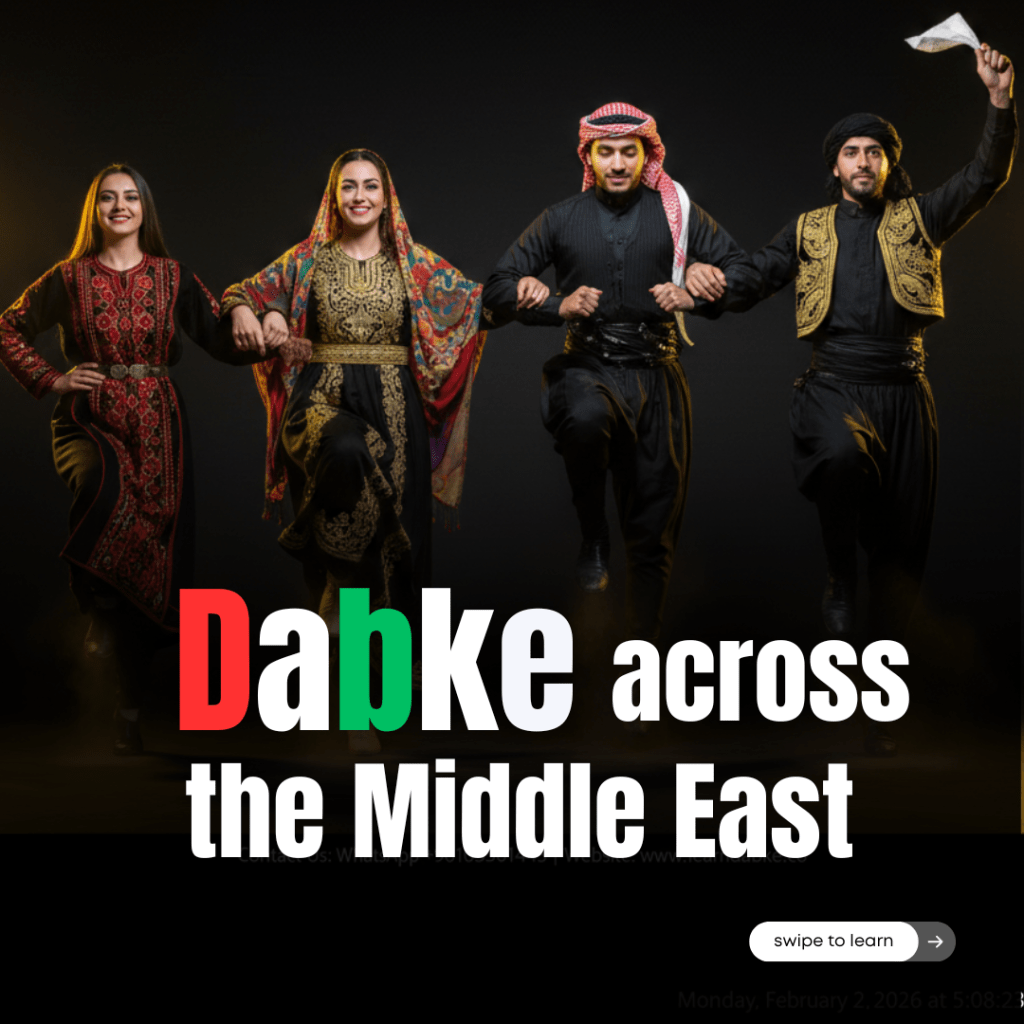
Dabke Across Borders: A Journey Through Middle Eastern Dance Styles
The thud of synchronized feet, the shrill cry of the mijwiz, the deep pulse of the tabl—Dabke is more than a dance. It’s a living language of resilience, identity, and celebration that stretches across Lebanon, Palestine, Jordan, and Syria. Though these nations share this folkloric treasure, each has shaped Dabke to reflect its own history,…
-
From Village Drums to Global Stages: The Evolution of Lebanese Folk Music and Dabke in the 20th Century
How did the Dabke—once danced on rooftops and village squares—reach international festivals and satellite TV? The answer lies in a century-long transformation of Lebanese music and cultural identity, driven by war, migration, and visionary artistry. This is the story of how Lebanon’s most iconic musical and dance traditions adapted to modernity without losing their soul.…
-
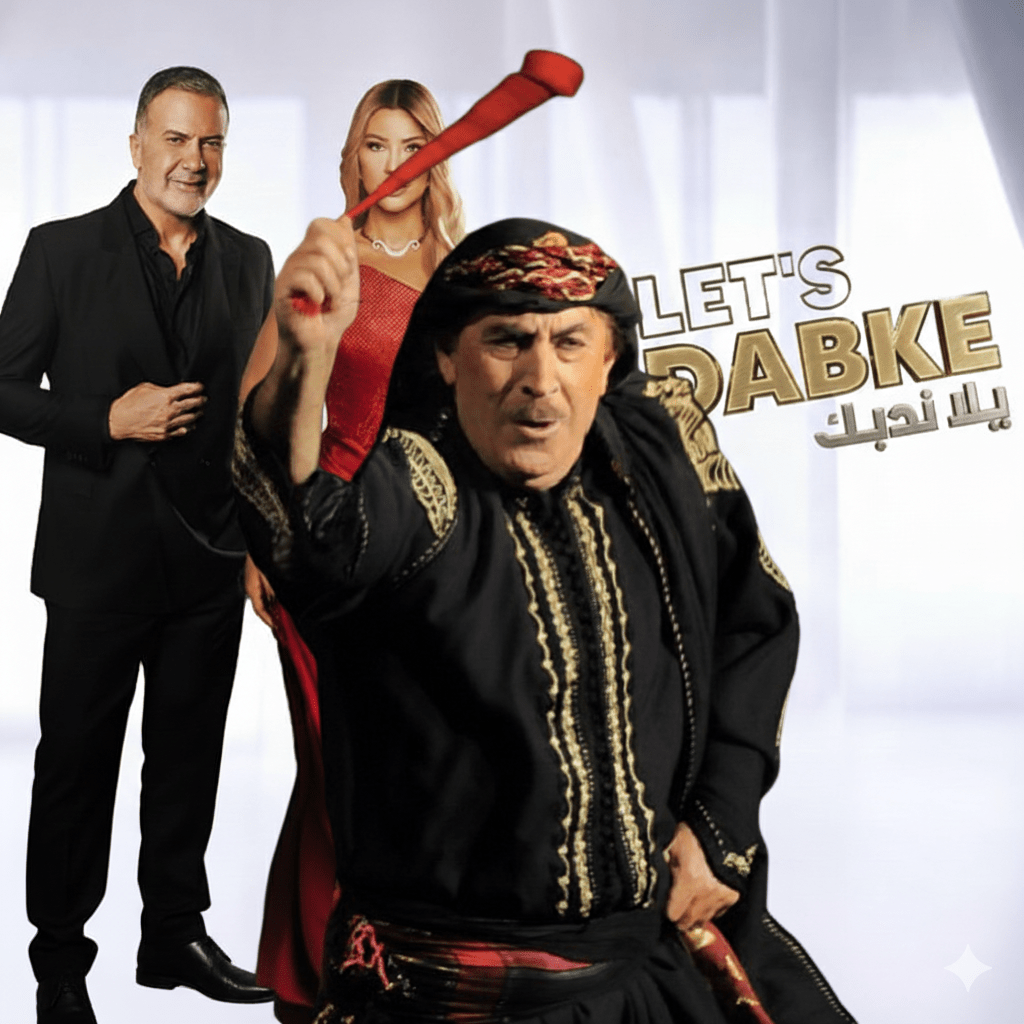
What Is the Real Dabke? A Debate Sparked by “Let’s Dabke” Exposes Lebanon’s Cultural Divide
The Rise of “Let’s Dabke” MTV Lebanon’s hit show Let’s Dabke (يلا نندبك) is more than a dance competition. It’s a stage for Lebanon’s most talented dabke troupes to showcase rhythm, creativity, and cultural pride. With a judging panel that blends tradition and modernity—Omar Caracalla (Baalbek’s ritualist and theatrical innovator), Dr. Nadra Assaf (dance scholar…
-
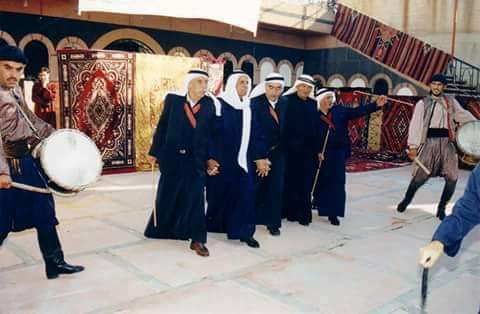
The Masters of Baalbek Dabke – Preserving the Heartbeat of Lebanese Folk Dance
At the center of this living heritage stands a group of men known as “The Masters of Baalbek Dabke” — legendary dancers and singers who safeguarded and passed down the original styles of Dabke Baalbackieh from generation to generation. Their performances weren’t staged spectacles; they were a living heartbeat of the community.Who Are the Masters…
-

Badawiyya Dabke: The Desert-Born Dance of Baalbek’s Nomadic Roots
What Is Badawiyya Dabke? A Traditional Bedouin Dance Preserved in Baalbek Al-Badawiyya (البداوية) Dabke — or Bedouin-style Dabke — is one of the most ancient and emotionally resonant forms of Dabke preserved in the Baalbek region. With its shoulder-to-shoulder posture, tight formations, and stomping footwork, this dance style reflects Bedouin discipline, pride, and tribal unity.…
-
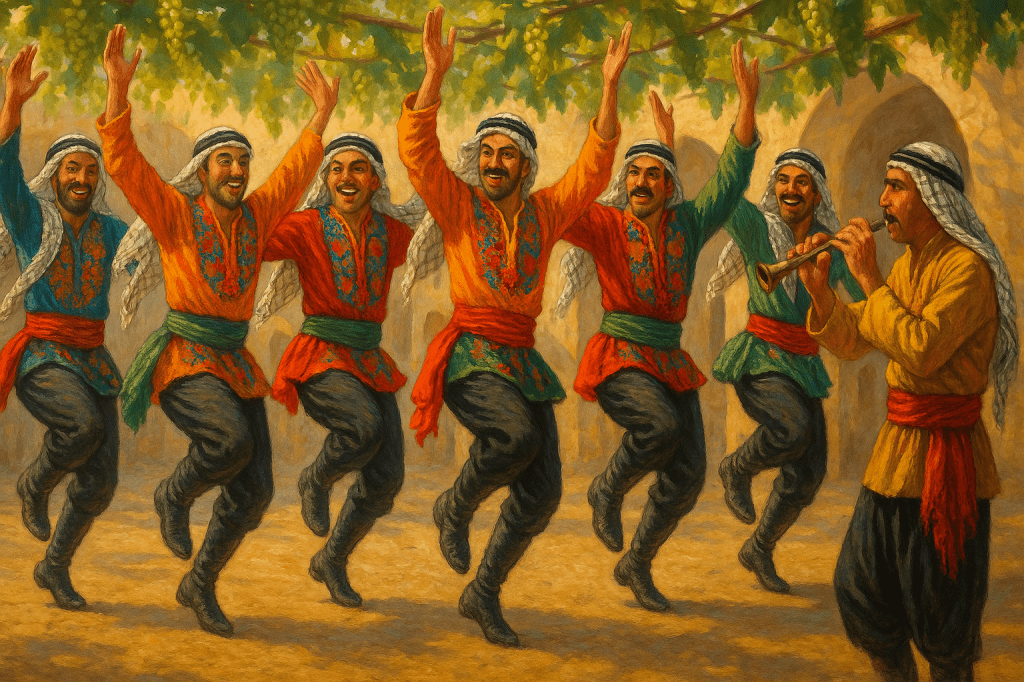
Shamaliyya Dabke: The Fast-Tempo Pulse of Lebanon in Baalbek’s Repertoire
What Is Shamaliyya Dabke? A Northern Beat with Baalbaki Spirit Al-Shamaliyya (الشمالية) Dabke — meaning “the northern style” — is one of the most electrifying and fast-paced Dabke forms in the Baalbek region. Known for its rapid stomps, continuous motion, and celebratory energy, this style originated in northern areas of the Middle East like Palestine,…
-
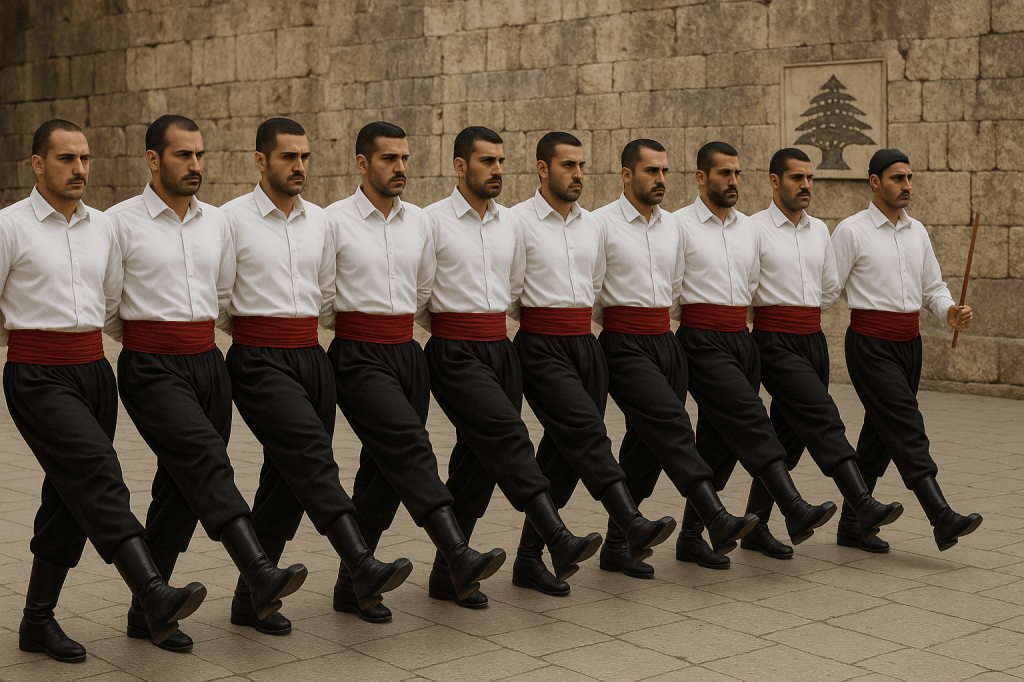
Askariyya Dabke: The Military March of Baalbek’s Folk Dance Legacy
What Is Askariyya Dabke? Where Folk Rhythm Meets Martial Precision Al-‘Askariyya (العسكرية) Dabke — meaning “military” — is one of the most vigorous and disciplined Dabke styles in the Baalbek tradition. Combining march-like footwork with forceful synchronization, this style reflects a strong, masculine energy that likely emerged from Baalbek’s historic exposure to Ottoman and French…
-
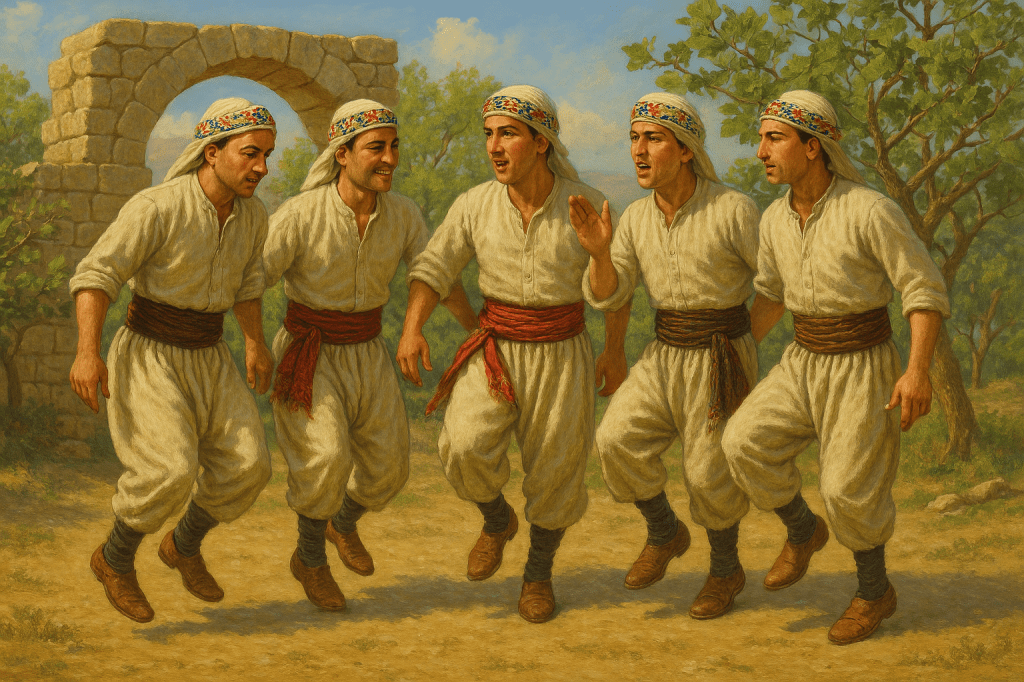
Tirawi Dabke: The Spirited 8-Count Rhythm of Taraya, Baalbek
What Is Tirawi Dabke? A Mountain-Born Dance of Joy and Power Al-Tirawi (الطيراوية) Dabke, also known as Tirawiyye, is one of Baalbek’s most powerful and energetic Dabke styles. With origins in the town of Taraya, nestled in the Baalbek mountains, this style is defined by its 8-count rhythm and dynamic energy — making it a…
-
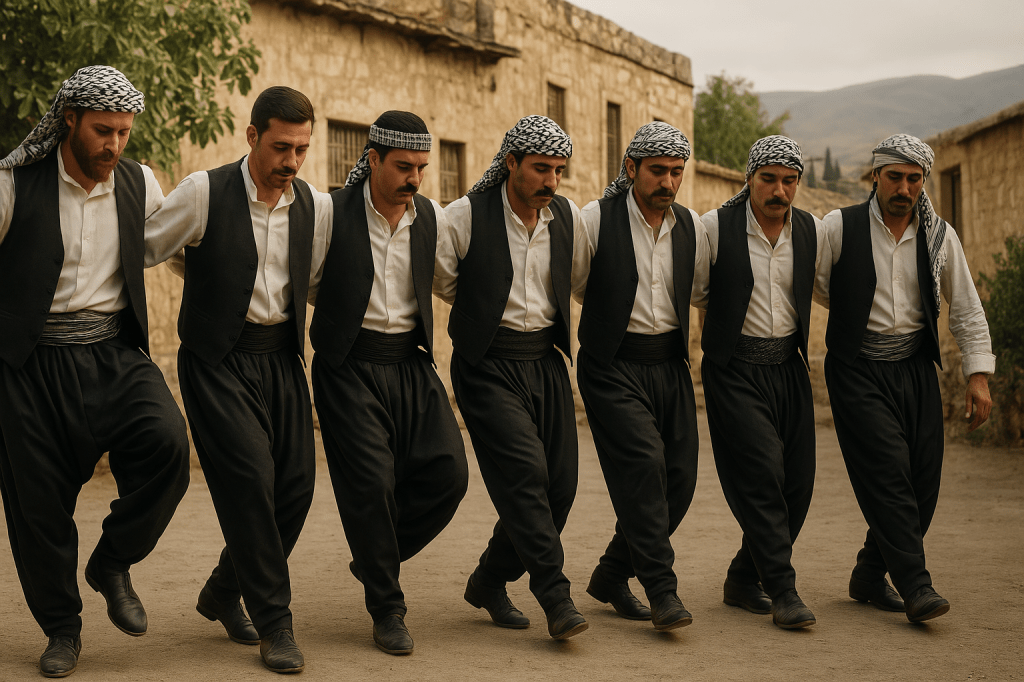
Al-Zaino Dabke: Baalbek’s Rhythmic Dance That Starts on the Right Foot
What Is Zeno Dabke? The Right-Footed Rhythm of Baalbek Among the six main Dabke styles of Baalbek, Al-Zeno (الزينو) — sometimes spelled Zaino — stands out immediately for one striking feature: it’s the only Dabke in the region that begins with the right foot instead of the left. Rooted in the Kurdish-influenced rhythms of the…
 Learn Dabke