
Lebanese Heritage: The Living Culture Behind the Dance
Dabke is one expression of Lebanese life, but it never stood alone. Behind the step is a larger world of homes, villages, food, family, and memory that gives the dance its meaning. This page documents that world as it is lived — not performed, not simplified, but observed and recorded. It is a map of the culture Dabke belongs to.
Explore by Dimension
Lebanese culture is not held in one place. It appears in gestures, in objects, in routines, in the way people host, speak, work, and remember. These dimensions follow life where it actually happens.
People & Family
Family in Lebanon is never only about blood. It is about roles, expectations, and the quiet ways identity is passed without being explained. This section documents the people who carry culture across generations.
Daily Life & Home
A Lebanese home reveals more than any introduction. The way space is arranged, used, and protected shows how people think about dignity, privacy, and presence. This section follows life inside the house.
Food & Kitchen
Food is not separate from life. It carries season, labor, memory, and obligation. This section documents what is prepared, preserved, and served — and what that reveals.
Place & Village
Origin does not disappear. A village stays in the name, the voice, and the way a person is introduced. This section documents how place continues to define identity.
Labor & Craft
Much knowledge was never written — it was done. Skills passed through hands, repetition, and correction. This section documents work as knowledge.
Rituals & Hospitality
Hospitality follows rules nobody formally teaches. The order of serving, speaking, and seating carries meaning. This section documents those unspoken systems.
Sound & Voice
Some memory is carried through voice, not writing. Songs, sayings, and tones preserve meaning across time. This section follows sound as cultural memory.
Memory & Resilience
What survives becomes part of identity. Memory is carried through habits, objects, and repetition. This section documents continuity after disruption.
Featured Articles
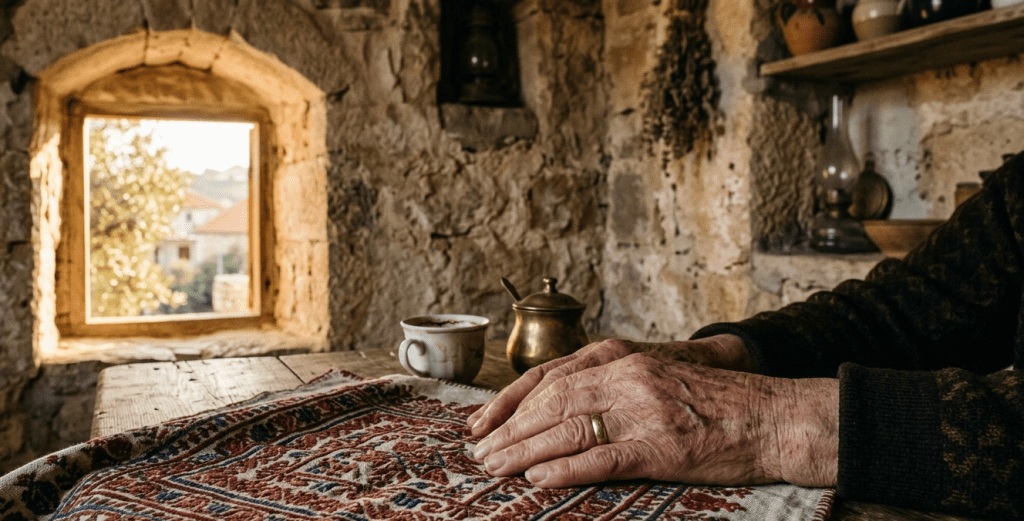

From the Archive
These articles document Lebanese life at the level where culture usually goes unnoticed. Not the big events, but the repeated details — the habits, objects, and behaviors that define how people live.
The Archive — Photographs
Each photograph is documented with a name, location, and year. These are not decorative images — they are records of people, places, and practices as they exist in real life.
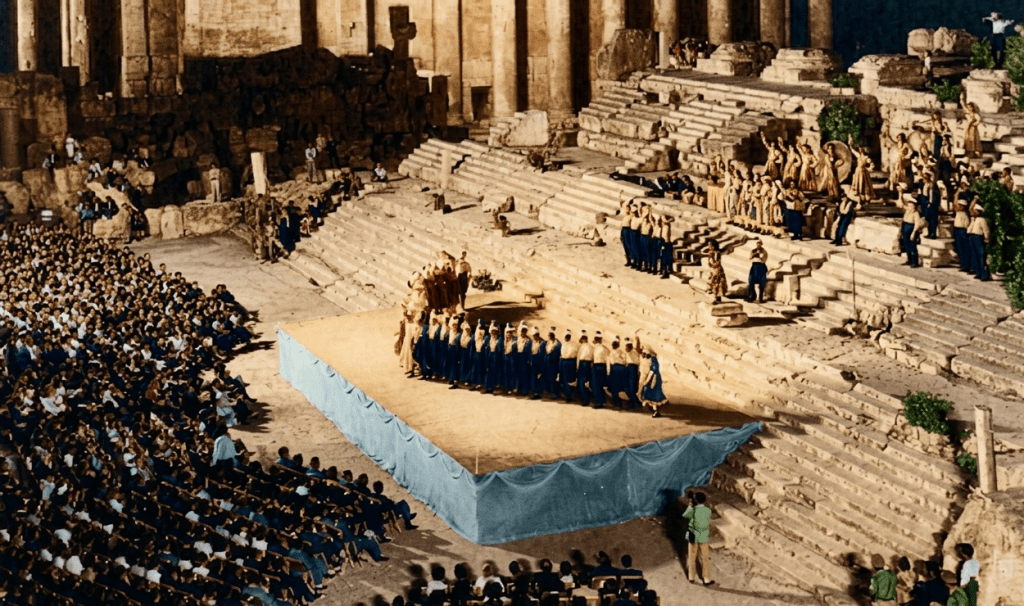

Hands
Hands carry memory through action. They prepare, repair, serve, and build — repeating knowledge learned long before it was documented.
Houses
A house reflects how life is organized. Space, objects, and structure reveal priorities, habits, and ways of hosting and living.
Tables
The table shows relationships. Who is served, what is placed, and how it is shared reveals social structure and care.
Faces
Faces are not anonymous. Each person is documented with name and place, preserving identity with clarity and respect.
Research Library
Heritage documentation requires grounding. These sources help connect lived observation to broader patterns already studied and recorded.
Tier 1 — Essential Sources
The Lebanese Village: A Culture Being Forgotten
Anis Freiha, 1957
Documents village life, customs, and social behavior. Relevant for understanding traditional Lebanese structures still visible today.
Dictionary of Modern Lebanese Proverbs
Anis Freiha, 1974
Preserves sayings used in daily life. Reveals how values and judgments are expressed through language.
Names of Lebanese Villages and Their Origins
Anis Freiha, 1972
Explains meanings and history of village names. Connects identity directly to place and language.
Architecture in Lebanon
Friedrich Ragette, 1974
Studies structure and use of traditional houses. Shows how space reflects social life and behavior.
Inventing Home
Akram Fouad Khater, 2001
Explores migration and changing family structures. Important for understanding diaspora identity.
Mouneh
Barbara Abdeni Massaad, 2010
Documents food preservation practices. Shows how food connects labor, season, and continuity.
Supporting Sources
The Culinary Heritage of Lebanon
Ramzi Choueiri, 2007
Covers Lebanese food traditions and dishes. Reveals how food carries memory and identity.
Popular Culture and Nationalism in Lebanon
Christopher Stone, 2008
Examines culture and identity formation. Useful for understanding shared narratives.
Lebanon Shot Twice
Zaven Kouyoumdjian, 2007
Photographic documentation of Lebanese life. Captures moments that written records cannot.
Why This Archive Exists
Most research on Lebanon documents structure — villages, migration, architecture, food. What is rarely recorded is behavior — how people act, host, speak, and respond in real situations.
This archive documents that layer directly. It focuses on lived detail — gestures, routines, and interactions — with real people and real places.
The archive is ongoing. Lebanese heritage continues in homes, villages, and diaspora spaces, carried by the people who live it every day.
Follow the Documentation
New material is documented weekly on Instagram:
Ready to Learn Dabke?
The dance makes more sense when you understand the culture it comes from.
 Learn Dabke