
Author: Zorba Academy
-

Dabke Wahda w Nos | دبكة وحدة ونص
Dabke Wahda w Nos (One and a Half Dabke) Historical Origins and Cultural Meaning Dabke Wahda w Nos (literally “One and a Half”) is one of the most recognizable folk dances in Palestine and the Levant. The dance is deeply rooted in rural traditions of Aouna, the communal system of cooperation where villagers helped each…
-

Dabke Darazi | دبكة درازي
Darazi Dabke – The Dignified and Rhythmic Dance of the Levant Dabke Darazi (دبكة درازي) is one of the most recognized and elegant forms of traditional Dabke in the Levant. It is especially widespread in Palestine, Jordan, and the Horan region of southern Syria, where it holds an important place in village celebrations and cultural…
-

Dabke Tayara | دبكة طيارة
Historical Background and Cultural Context Dabke Tayara, often translated as “Airplane Dabke,” is one of the fastest and most physically demanding styles of Levantine folk dance. The dance is widely recognized across Palestine, Jordan, and southern Syria, particularly in the Horan region, although it is most strongly associated with Palestinian folklore. The name “Tayara” (meaning…
-

Dabke Habl Mode’ | دبكة حبل مودة
A Traditional Mixed-Gender Dabke of Horan Dabke Habl Mode’ (also known as Habl al-Mudda’ or Habl al-Muda’) is one of the most distinctive traditional folk dances of the Horan region, which spans southern Syria and northern Jordan. Unlike many Dabke styles that are performed primarily by men, Habl Mode’ is recognized as a mixed-gender communal…
-
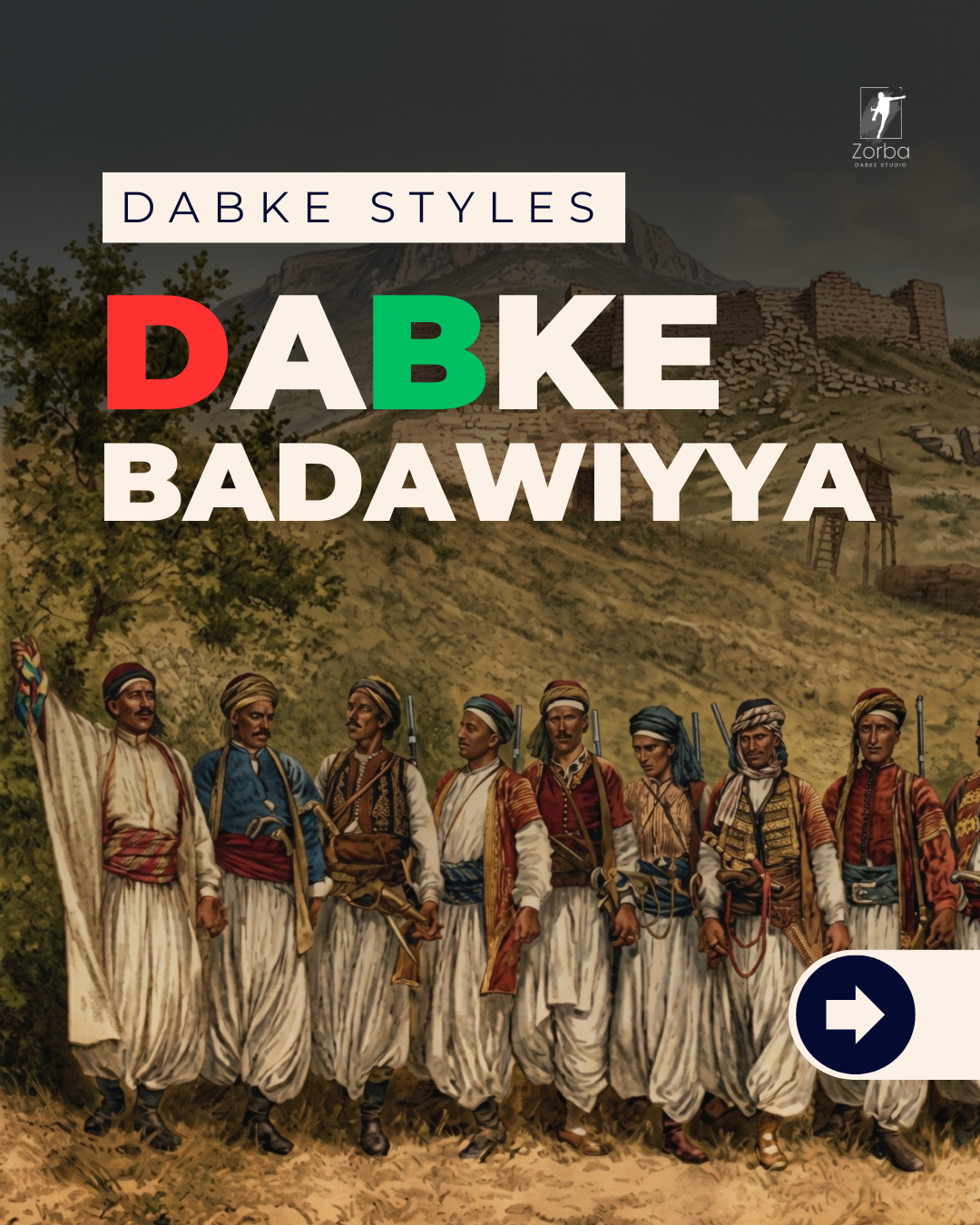
Dabke Badawiyya | دبكة بداوية
Dabke Al-Badawiyya (Bedewe): The Bedouin Roots of Levantine Dabke Origins and Historical Background Dabke Al-Badawiyya (دبكة بداوية), commonly called Bedewe, is a traditional tribal Dabke style found across Lebanon and Syria, strongly associated with the cultural heritage of Bedouin tribes. Historical accounts link this style to Bedouin migrations from the Najd region of the Arabian…
-

Dabke Al-Arja | دبكة العرجة
Al-Arja Dabke | The Heavy and Asymmetrical Pride Dance of Baalbek Al-Arja (The Limping) is one of the six fundamental styles of traditional Baalbeki Dabke preserved in the cultural heartland of the dance in Baalbek, Lebanon. Within the Baalbek tradition, these six styles are often compared symbolically to the six surviving columns of the Temple…
-

Dabke Theory Course at Zorba Academy – The DNA of Dabke
Most people try to learn Dabke by copying steps. Very few understand that Dabke is not built on choreography. It is built on rhythm. At Zorba Academy, our Dabke Theory Course is designed for serious dancers, cultural researchers, and anyone searching for a deeper understanding of Dabke. In this class, we do not dance. We…
-
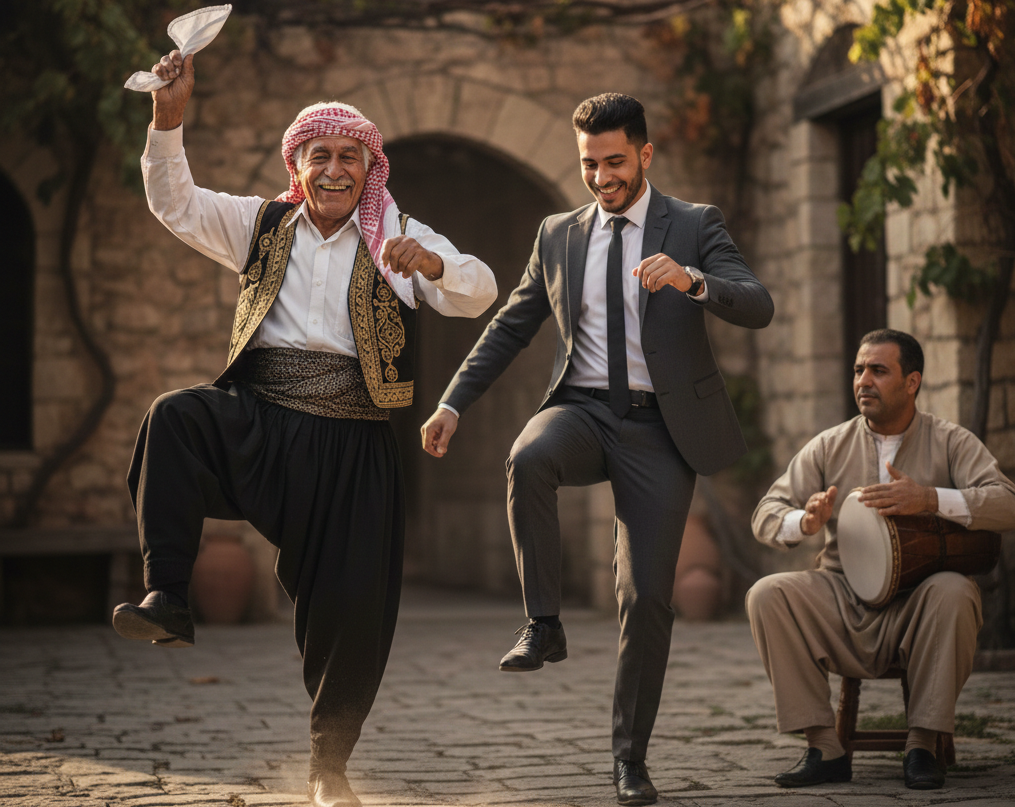
The Difference Between Zaffe, Dabke, and Theatrical Folklore in Lebanon
If you search online for the difference between Zaffe and Dabke, or what folkloric Dabke really means, you will often find the terms mixed together. In reality, they are three distinct expressions of Levantine heritage. They share the stomp and the linked hands, but their purpose, structure, and cultural role are very different. Understanding this…
-
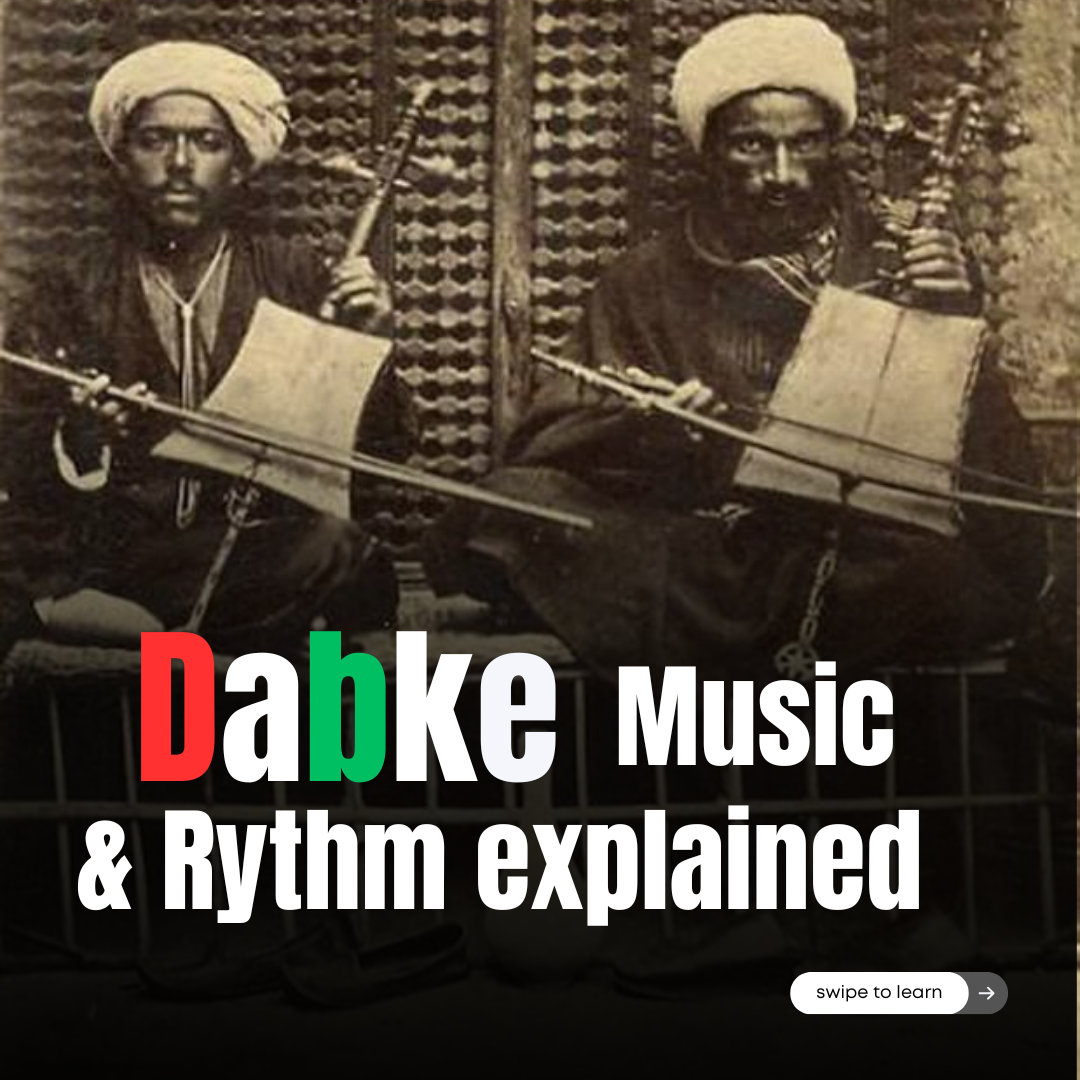
How Dabke Music & Rhythm Defines Style in Lebanon, Palestine, Jordan, and Syria
Dabke is often described as a dance, but across the Levant it is better understood as a musical system translated into movement. What separates one Dabke style from another is not the costume, the speed, or even the step shape alone — it is how the drum speaks, how the Doum and Tak are placed,…
-

Dabke Across Borders: A Journey Through Middle Eastern Dance Styles
The thud of synchronized feet, the shrill cry of the mijwiz, the deep pulse of the tabl—Dabke is more than a dance. It’s a living language of resilience, identity, and celebration that stretches across Lebanon, Palestine, Jordan, and Syria. Though these nations share this folkloric treasure, each has shaped Dabke to reflect its own history,…