
A blog about Dabke
-
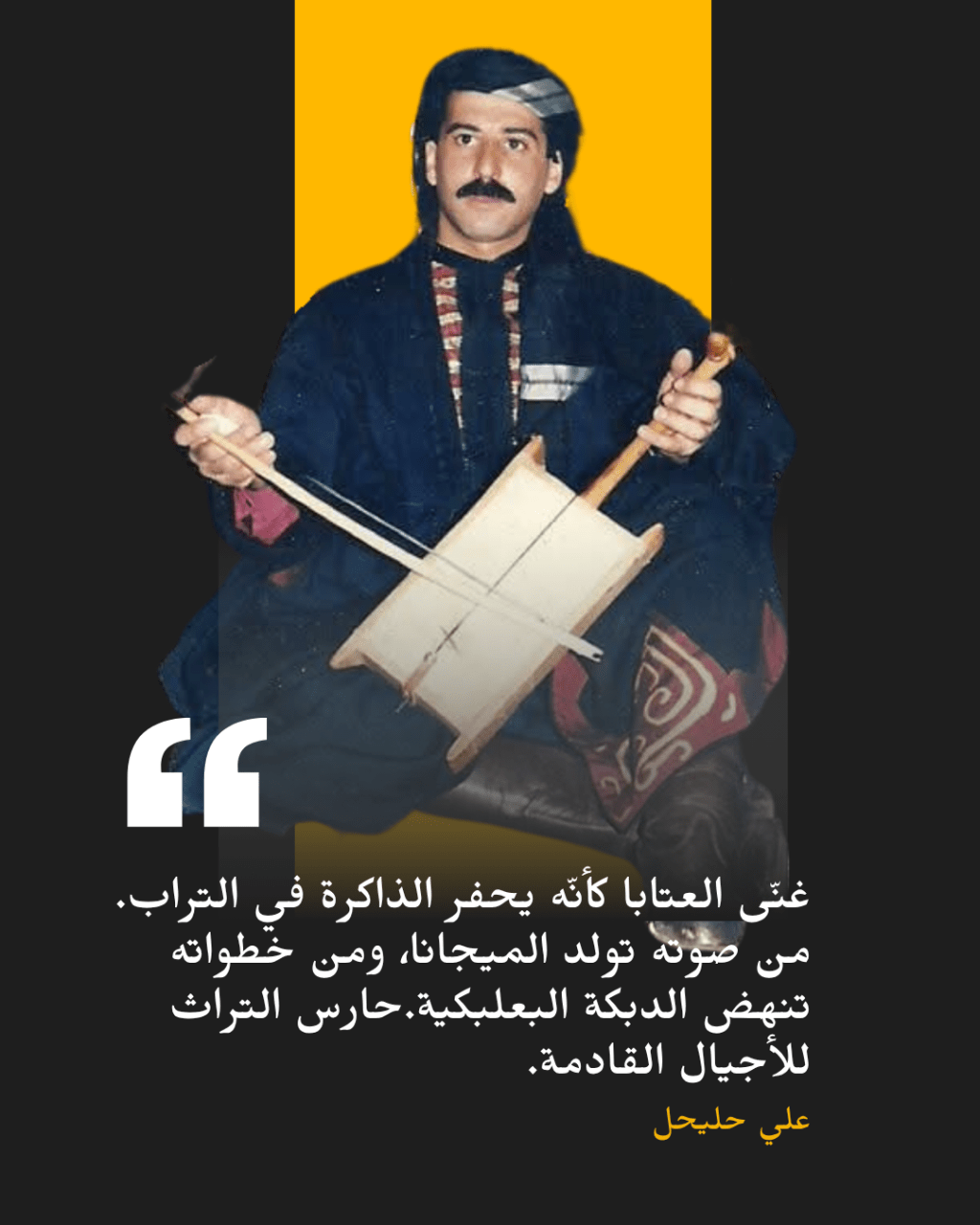
Traditional Baalbek Singers: Guardians of Lebanon’s Musical Soul
Traditional Baalbek Singers: Guardians of Lebanon’s Musical Soul Baalbek, a historic city in Lebanon’s Bekaa Valley, is not only known for its Roman temples, but also as the beating heart of Lebanon’s oral musical tradition. It has given rise to legendary performers who carried the soul of the land in their voices. Among the most…
-
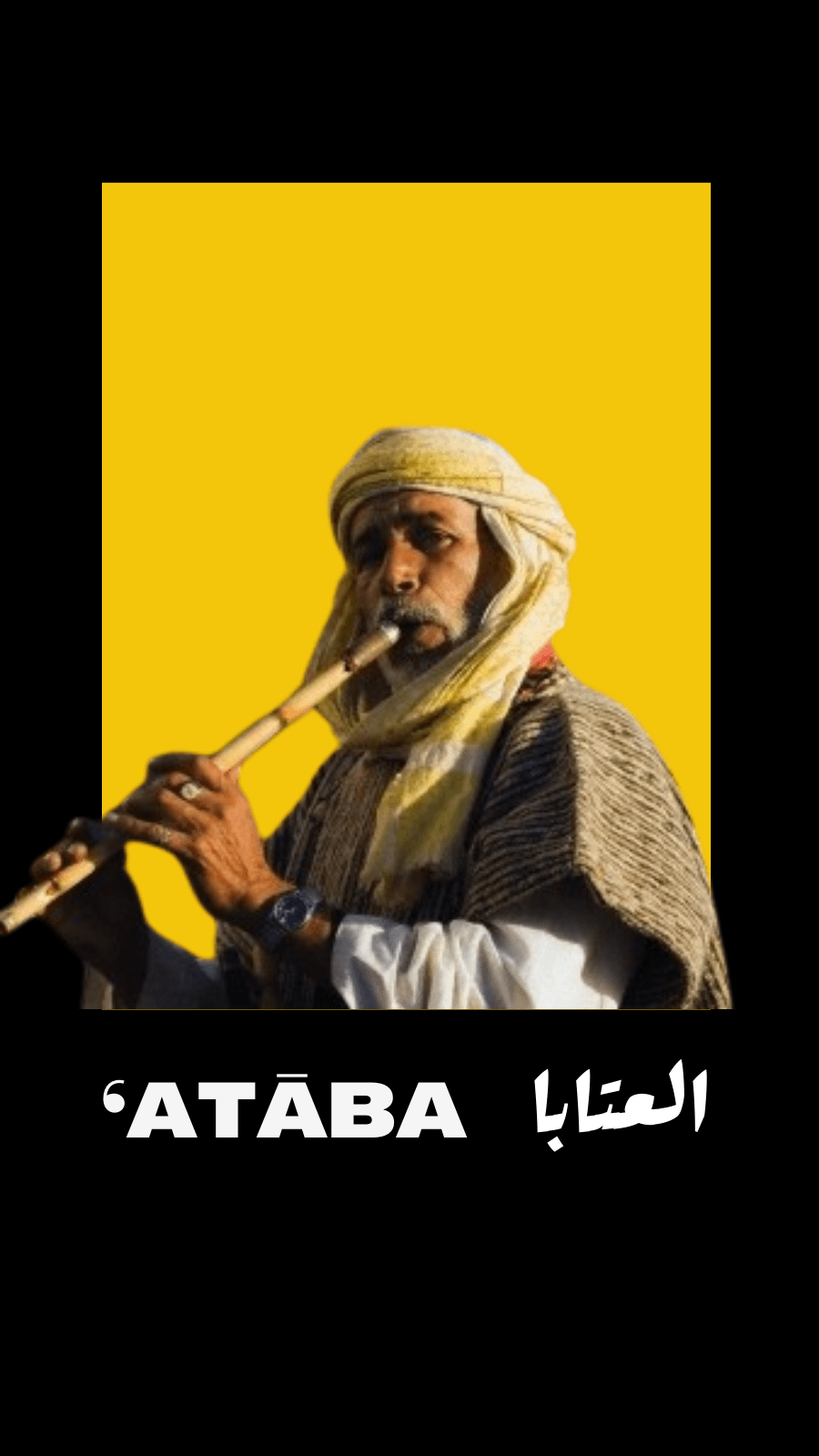
The Origins and Soul of ‘Atāba — Bedouin Poetry That Echoes Across Lebanon
‘Atāba is one of the oldest and most emotionally resonant forms of Bedouin music. Rooted in the deserts of Arabia, this genre of sung poetry migrated with nomadic tribes and found a new home in the mountains and plains of Lebanon. Today, it remains a living tradition in places like Baalbek and the Bekaa Valley.…
-
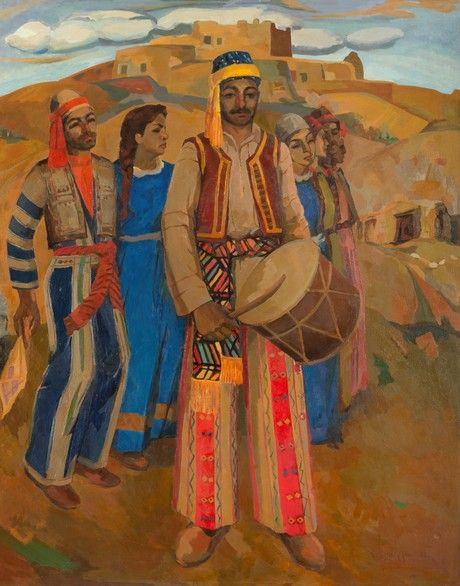
The Evolution of Lebanese Dabke Music (1950s–2010s)
How did Lebanese Dabke music transform across the decades? From folklore to festival stages, from cassette tapes to global remixes—this is the story of Dabke’s musical heartbeat. 1950s–1960s: The Golden Folk Revival Dabke enters the national spotlight. Fairuz, Zaki Nassif, The Rahbani Brothers, and Sabah lead a cultural revival. Folk songs like Dalouna and Lamma…
-

Hida (الحداء) – The Camel Chant That Lives On in Baalbek’s Bedouin Echoes
The chant of the camel rider—Hida, or al-Hidā’—is among the oldest known Bedouin musical forms, dating back to the pre-Islamic era. It began as a rhythmic chant sung by camel drivers to guide and soothe their animals across the vast Arabian deserts. But over centuries, Hida evolved into a potent symbol of Bedouin identity and…
-
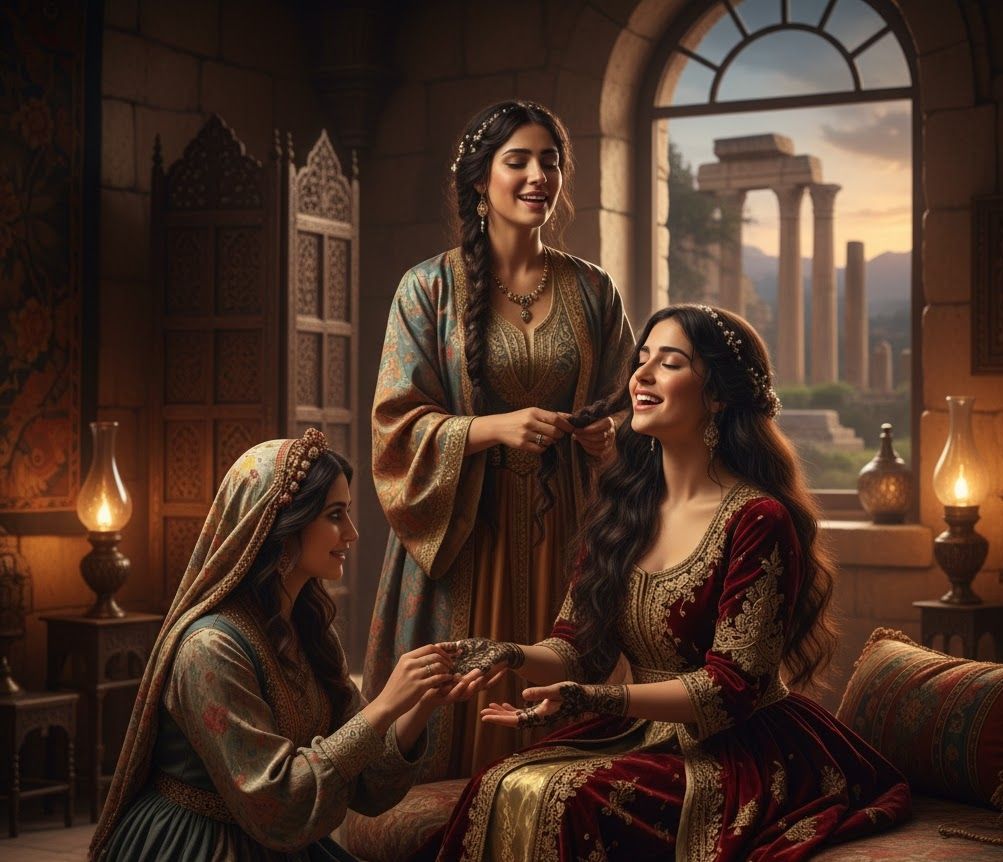
Where Did Dal3ona Really Come From? Folklore, Language, and the Lebanese Rhythm of Joy
“Dal3ona” is not just a song — it is the heart-thumping, foot-stomping soul of Lebanese Dabke. But where did this iconic chant really come from? Two compelling stories offer insight into its origin, both rich in cultural meaning. Some folklorists trace “Dal3ona” to the Aramaic root A‘awna, which means “to help.” This theory, supported by…
-
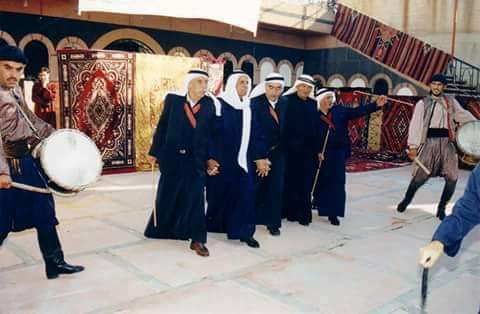
The Masters of Baalbek Dabke – Preserving the Heartbeat of Lebanese Folk Dance
At the center of this living heritage stands a group of men known as “The Masters of Baalbek Dabke” — legendary dancers and singers who safeguarded and passed down the original styles of Dabke Baalbackieh from generation to generation. Their performances weren’t staged spectacles; they were a living heartbeat of the community.Who Are the Masters…
-

The Solh Family & the Khataira: Baalbek’s Keepers of Authentic Dabke Tradition
Introduction: Before the Stage, There Was the Rooftop Long before Dabke was choreographed for grand theaters, it lived on the rooftops of Baalbek. At the heart of this oral and community-based tradition was one family: The Solh family. Known locally as the “Khataira” (the wise elders), they were not only performers — they were the…
-

The Caracalla Legacy: How One Baalbek Family Took Dabke from Village Roofs to Global Stages
Introduction: From Baalbek’s Heart to the World’s Spotlight The Caracalla family — originating from Baalbek, Lebanon — has played a pivotal role in transforming Dabke from a rural, communal dance into a global performance art. Through the vision of Abdel-Halim Caracalla and the theatrical genius of Caracalla Dance Theatre, Dabke became not only a symbol…
-

Badawiyya Dabke: The Desert-Born Dance of Baalbek’s Nomadic Roots
What Is Badawiyya Dabke? A Traditional Bedouin Dance Preserved in Baalbek Al-Badawiyya (البداوية) Dabke — or Bedouin-style Dabke — is one of the most ancient and emotionally resonant forms of Dabke preserved in the Baalbek region. With its shoulder-to-shoulder posture, tight formations, and stomping footwork, this dance style reflects Bedouin discipline, pride, and tribal unity.…
-
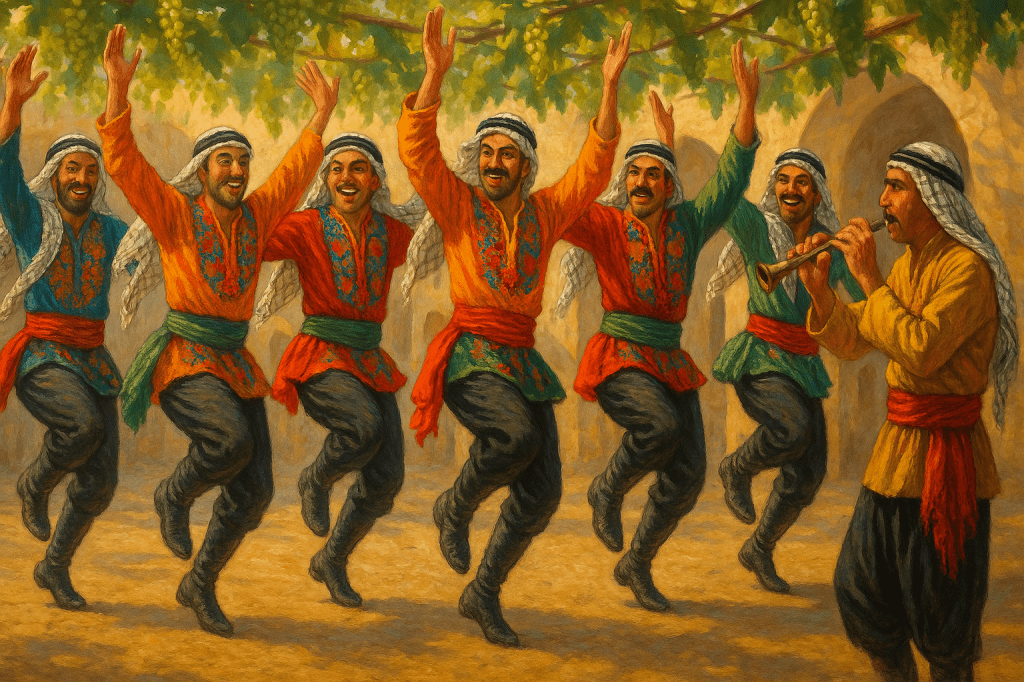
Shamaliyya Dabke: The Fast-Tempo Pulse of Lebanon in Baalbek’s Repertoire
What Is Shamaliyya Dabke? A Northern Beat with Baalbaki Spirit Al-Shamaliyya (الشمالية) Dabke — meaning “the northern style” — is one of the most electrifying and fast-paced Dabke forms in the Baalbek region. Known for its rapid stomps, continuous motion, and celebratory energy, this style originated in northern areas of the Middle East like Palestine,…
Got any questions?
 Learn Dabke