Traditional Baalbek Singers: Guardians of Lebanon’s Musical Soul
Baalbek, a historic city in Lebanon’s Bekaa Valley, is not only known for its Roman temples, but also as the beating heart of Lebanon’s oral musical tradition. It has given rise to legendary performers who carried the soul of the land in their voices.

Learn Dabke
Among the most iconic are Ali Hleihel, Mahdi Zaarour, and Ali Mahdi Khalil – three masters of ‘Ataba, Mawwal, Mejanna, and Zajal who helped preserve and transmit Lebanon’s rural folk poetry and musical heritage.
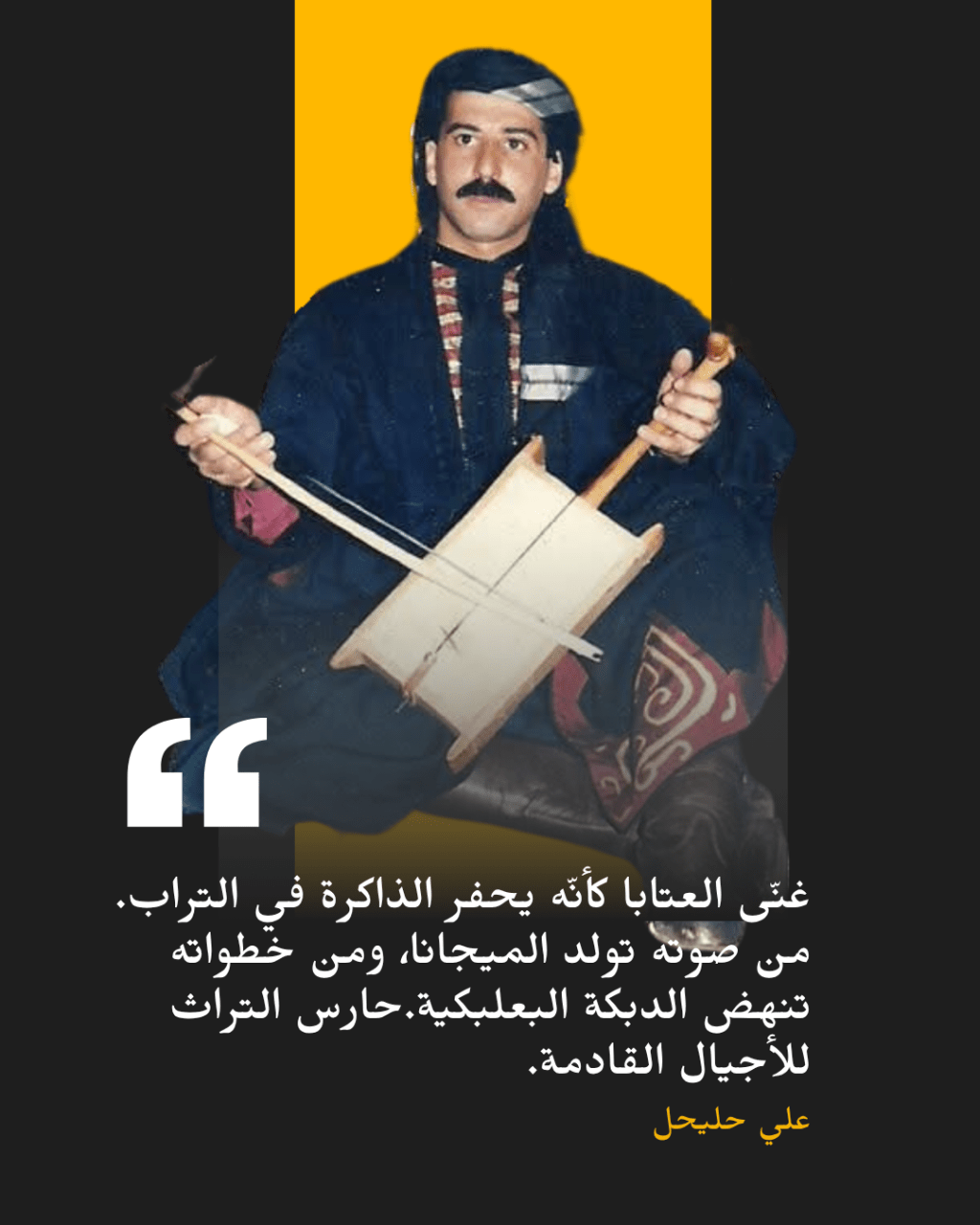
Ali Hleihel: The Living Voice of Baalbek Ali Hleihel, also known as Abu Asaad, is widely recognized as one of Baalbek’s most accomplished folklorists and performers. Born in 1974, Hleihel is not only a singer but also a poet, composer, and dancer. His mastery of traditional Bedouin and Baalbeki poetry has made him a cultural guardian. Hleihel memorized and performed ancient ‘ataba and mawwal verses learned directly from the elders and Bedouin tribes of the Bekaa Valley. He revitalizes these traditions by crafting new lyrics that echo the soul of the past, blending original verses with classic forms.
His unique style of performing — often a cappella or with the rababa — captures the depth and emotion of Lebanon’s oral storytelling. He is also credited with cataloguing and reviving more than 70 forms of Dabke, especially rare Baalbeki styles such as Karadiyyeh (Zaino), Arja, Tirawiyyeh, and Askariyyeh. His shows often combine vocal art with live Dabke demonstrations, showcasing both music and movement in their most authentic form.
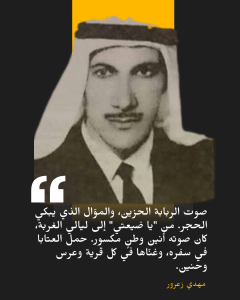
Mahdi Zaarour: The Voice of Nostalgia Mahdi Zaarour (1940s–2016) was a renowned singer-poet from the village of Harbata in Baalbek District. Known for his soulful voice and masterful rababa playing, Zaarour was a powerful figure in the tradition of Lebanese-Bedouin fusion. His signature mawwal “Ya Day‘ati” (“O My Village”) speaks to a deep nostalgia for rural life, and his improvisations in ‘ataba often touched on themes of migration, love, and longing.
He performed widely across Lebanon and the Arab world, bringing Baalbek’s folk music to international audiences. Despite his success, Zaarour lived modestly in later life — a stark contrast to the emotional richness he gave through his performances. His legacy lives on in recordings and tributes by younger folk artists. He remains a symbol of authenticity and a guardian of Baalbek’s poetic identity.
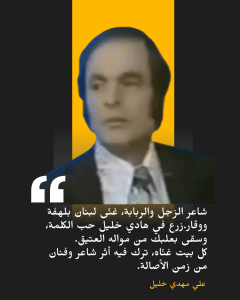
Ali Mahdi Khalil: The Poet of the Rababa The late Ali Mahdi Khalil, often called Mahdi Khalil, was a foundational figure in Baalbek’s zajal and mawwal heritage. Hailing from Al-Labweh, he was a revered poet and performer, known as “Sha‘ir el-Rababa” (Poet of the Rababa) for his unique ability to craft and recite powerful verses accompanied by the one-string spike fiddle.
Khalil was a mainstay of dabke nights and zajal competitions, often appearing alongside other greats in Lebanon’s oral poetry scene. His performances, marked by a rich, expressive voice, carried emotional weight that resonated deeply with listeners. He not only contributed to public folklore but also mentored youth and passed on his love of the art to his son, Hadi Khalil, now a popular folk-pop singer.
Mahdi Khalil’s lyrics often celebrated Baalbek’s pride, struggle, and traditions. His influence extended far beyond his village, as his poetic style helped shape the modern Lebanese folk music scene. His passing in the 1990s marked the end of an era, but his spirit endures in the verses he left behind.
Together, these three champions of Baalbek’s singing tradition exemplify how art can preserve identity. Through their voices, Baalbek’s hills continue to echo with pride, poetry, and tradition.
 Learn Dabke
Leave a comment