“Dal3ona” is not just a song — it is the heart-thumping, foot-stomping soul of Lebanese Dabke. But where did this iconic chant really come from? Two compelling stories offer insight into its origin, both rich in cultural meaning.
Some folklorists trace “Dal3ona” to the Aramaic root A‘awna, which means “to help.” This theory, supported by the late composer Zaki Nassif, connects the chant “Ayshouna, ayshouna, dal3ouna” to communal work songs. Villagers would sing these lines as they helped each other in the fields or during seasonal harvests. In this context, Dal3ona becomes a symbol of cooperation, unity, and collective rhythm.

Learn Dabke
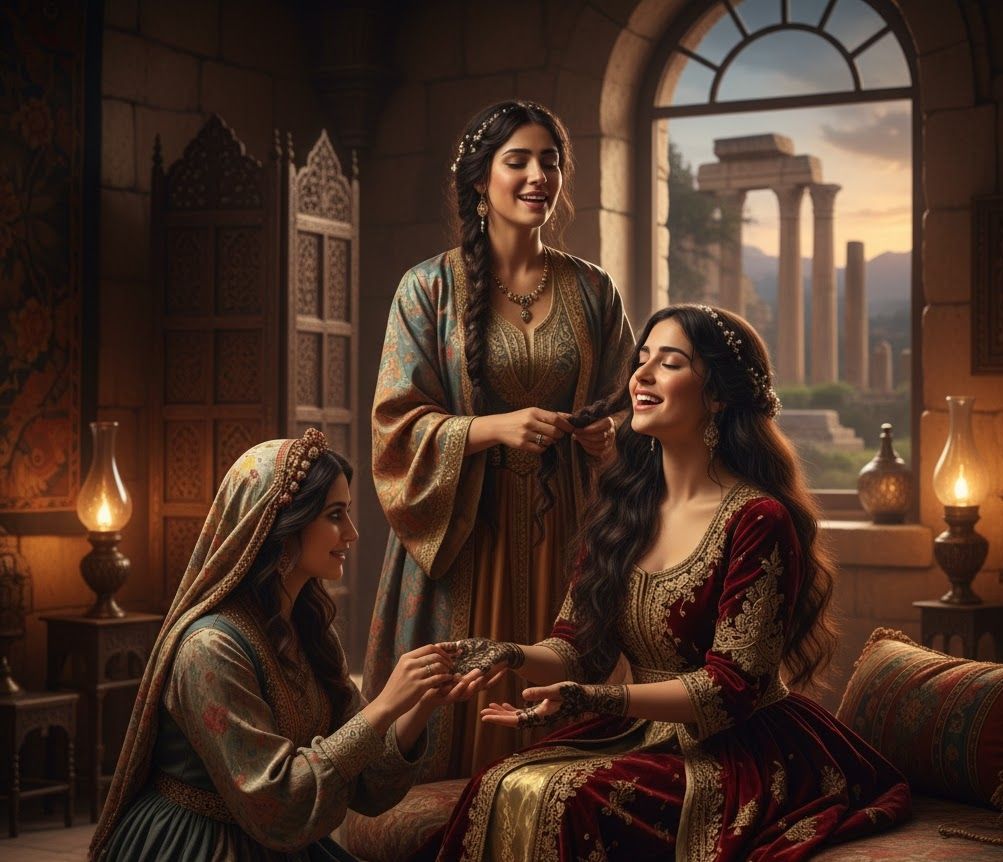
A more folkloric version of the story comes from Baalbek, shared by researcher Ali Hleihel. According to local oral tradition, “Dal3ouna” was the name of a beautiful village hairdresser who used to sing while styling the hair of a princess. Her voice became so beloved that the phrase “Dal3ouna” was immortalized in song. Whether true or not, the tale reflects how powerful voices — especially women’s voices — played a role in shaping oral heritage.
Regardless of its exact origin, Dal3ona has become the defining musical phrase of Dabke. It marks the start of a Dabke song, signals a change in rhythm, and unites dancers across Lebanon and the diaspora. The structure of the Dal3ona chant is simple and catchy, making it easy to repeat, improvise, and build into group performances.
In musical terms, Dal3ona typically follows a 4/4 rhythm and is often accompanied by the tabl (drum), mijwiz (reed pipe), and loud group vocals. Its function is dual: musical and emotional. It ignites weddings, fuels community spirit, and brings generations together on the dance floor.
From its mysterious linguistic roots to the vibrant folklore of Baalbek, Dal3ona continues to evolve while staying true to its essence: joy, rhythm, and identity.
 Learn Dabke
Leave a comment