
The chant of the camel rider—Hida, or al-Hidā’—is among the oldest known Bedouin musical forms, dating back to the pre-Islamic era. It began as a rhythmic chant sung by camel drivers to guide and soothe their animals across the vast Arabian deserts. But over centuries, Hida evolved into a potent symbol of Bedouin identity and a vital part of Lebanese Bedouin heritage.
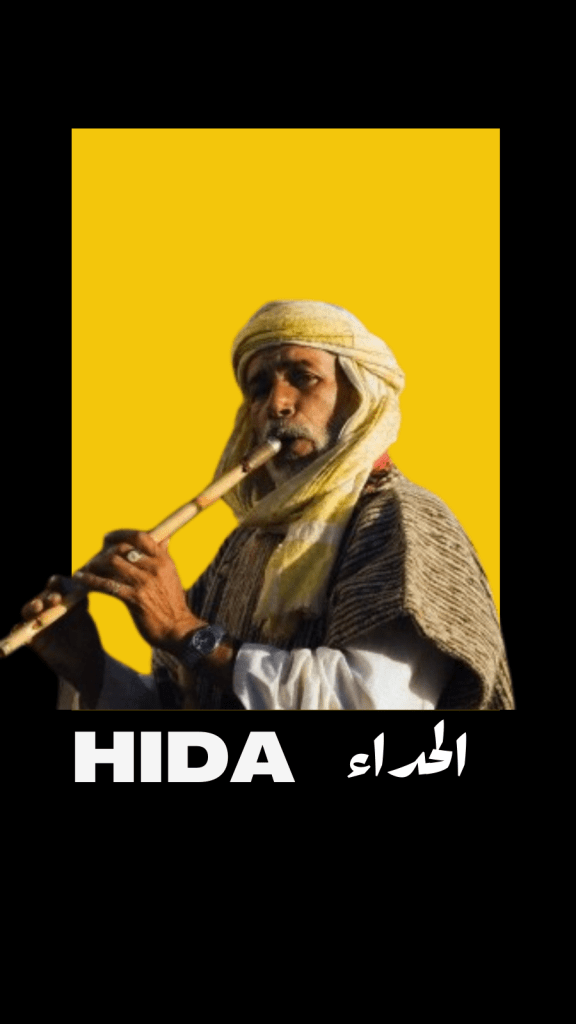
Simple in form but rich in spirit, Hida is characterized by a hypnotic cadence that mirrors the rhythm of hoofbeats and the undulating motion of a camel caravan. It is performed in long, drawn-out phrases, often with repetitive lines that build a trance-like atmosphere for both the animal and the human listener.

Learn Dabke
In Baalbek and the Bekaa Valley, the Hida tradition was carried and preserved by Bedouin tribes who migrated north. There, it became part of the region’s oral music traditions—sung at weddings, tribal gatherings, and even during ceremonial Dabke performances. Its themes range from solitude and longing to pride and ancestral memory.
The performance of Hida often begins with a long vocal introduction, unaccompanied or sometimes supported by a simple rebab or drum. In the documentary “Mousiqa Al Shaououb,” the renowned Ali Hleihel performs a traditional Hida chant, reviving the sounds once heard across Lebanon’s deserts and mountain trails.
What makes Hida so enduring is its raw emotional power. It is not meant for the concert hall but for the open plain, the campfire, and the communal spirit of Bedouin life. In Lebanon, it has become a bridge between nomadic past and folkloric present, especially within the musical identity of Baalbek.
Today, Hida is more than a chant—it is a living trace of Bedouin migration, rhythm, and resilience, still echoing through the Lebanese mountains.
 Learn Dabke
Leave a comment