
Category: Dabke from Syria
-
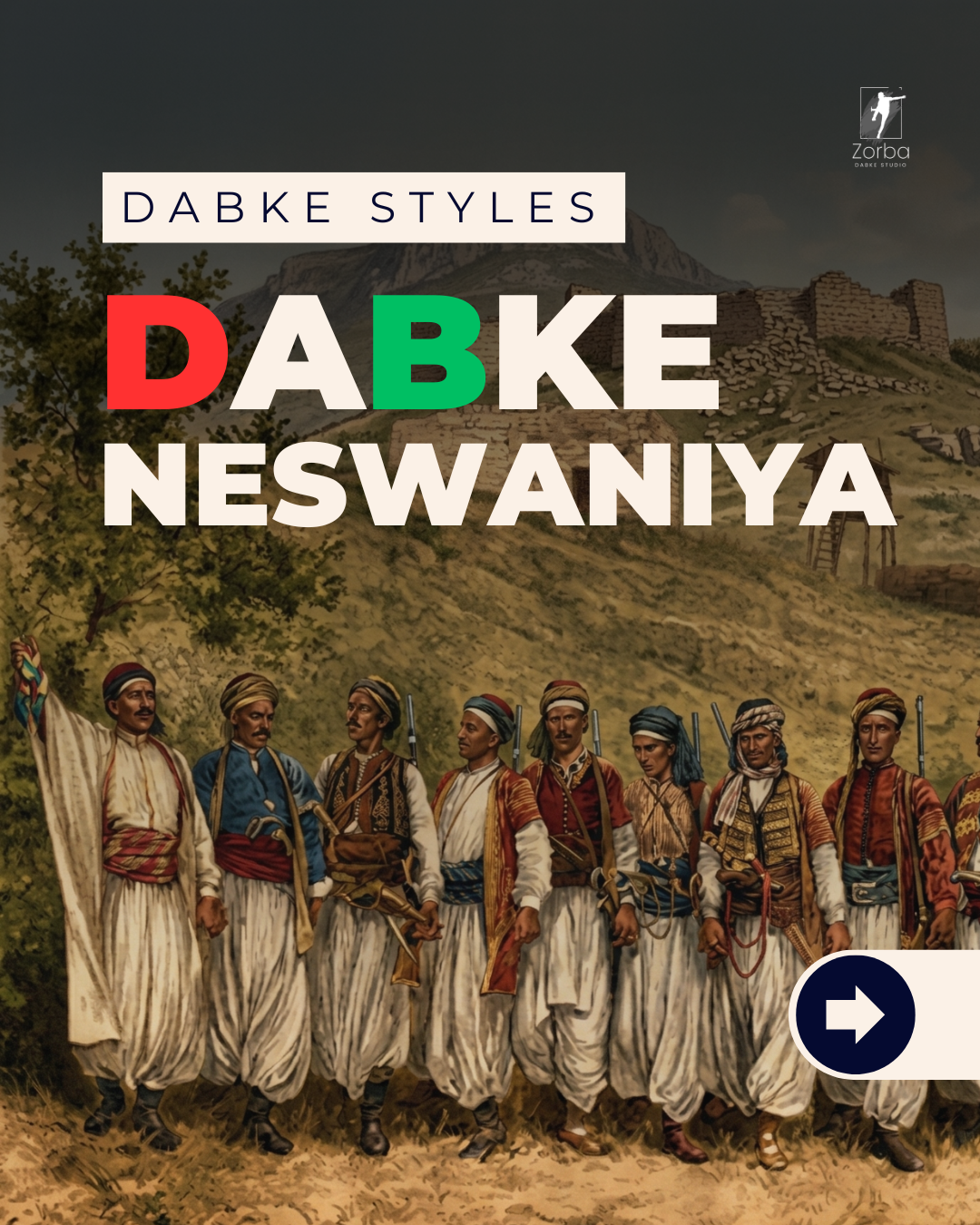
Dabke Neswaniya | دبكة نسوانية
Dabke Neswaniya (Women’s Dabke) Origin and Cultural Context Dabke Neswaniya (Women’s Dabke) is a traditional collective dance originating from the Horan region of southern Syria. While the formation resembles the men’s Horani dabke line, the defining element of this style is its strong vocal tradition. Women perform the dance while engaging in collective singing, often…
-
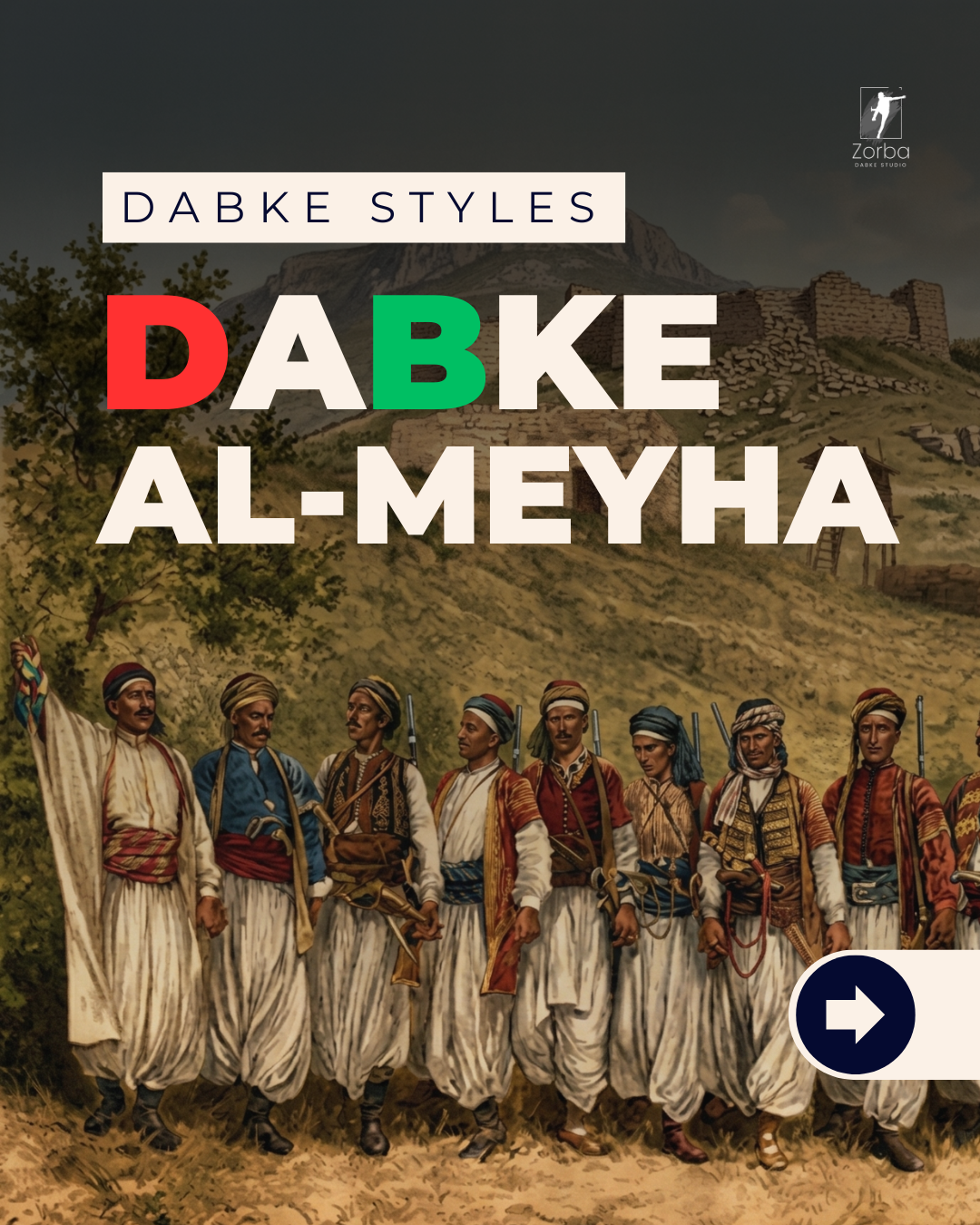
Dabke Al-Meyha | دبكة الميحة
Dabke Al-Meyha: A Core Dance Tradition of the Horan Region Dabke Al-Meyha (دبكة الميحة) is a traditional Levantine folk dance rooted in the Horan region of southern Syria. It is considered one of the fundamental styles practiced by the Hawarneh, the inhabitants of Horan, who have preserved this dance as a vital element of their…
-

Dabke Darazi | دبكة درازي
Darazi Dabke – The Dignified and Rhythmic Dance of the Levant Dabke Darazi (دبكة درازي) is one of the most recognized and elegant forms of traditional Dabke in the Levant. It is especially widespread in Palestine, Jordan, and the Horan region of southern Syria, where it holds an important place in village celebrations and cultural…
-

Dabke Habl Mode’ | دبكة حبل مودة
A Traditional Mixed-Gender Dabke of Horan Dabke Habl Mode’ (also known as Habl al-Mudda’ or Habl al-Muda’) is one of the most distinctive traditional folk dances of the Horan region, which spans southern Syria and northern Jordan. Unlike many Dabke styles that are performed primarily by men, Habl Mode’ is recognized as a mixed-gender communal…
-
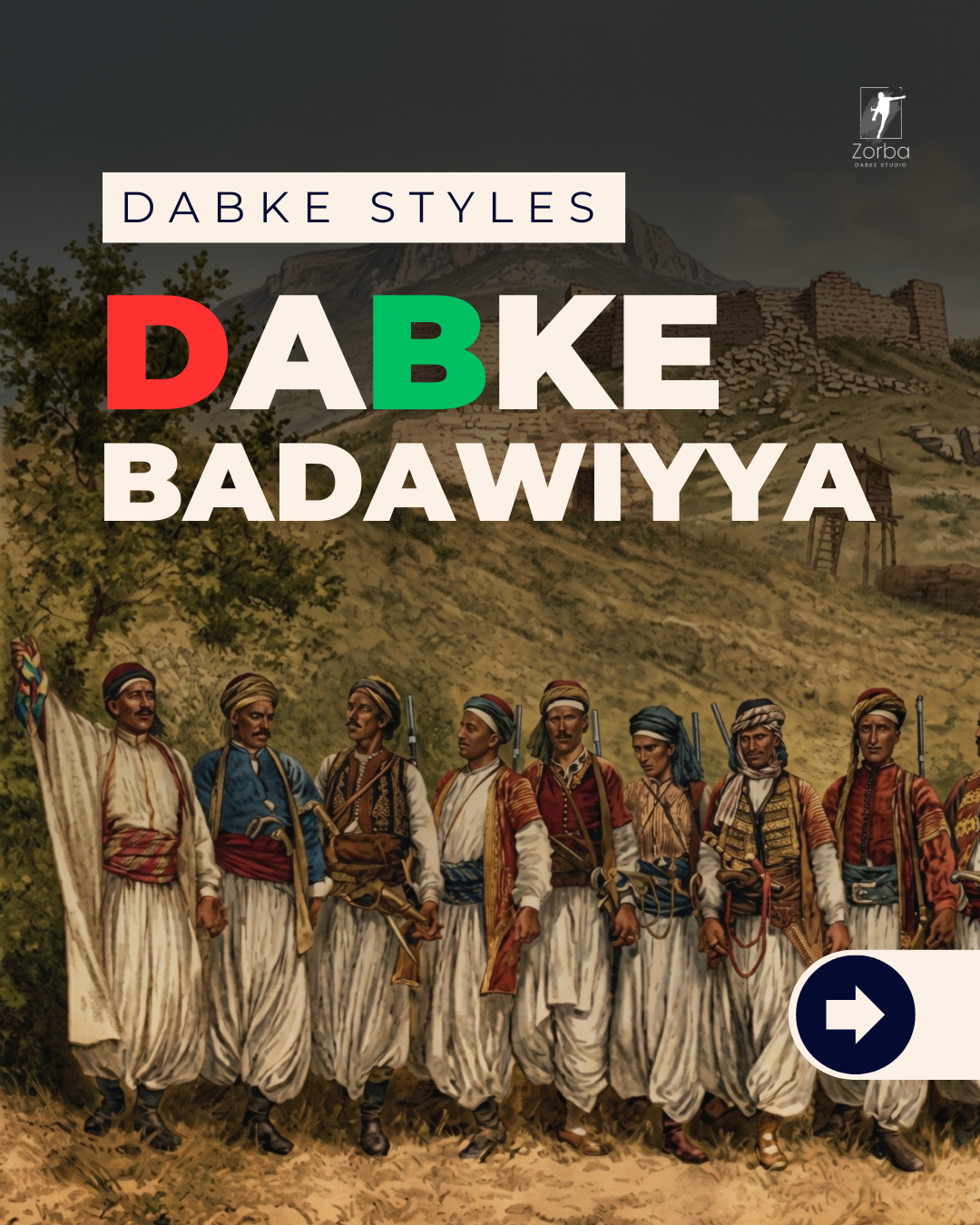
Dabke Badawiyya | دبكة بداوية
Dabke Al-Badawiyya (Bedewe): The Bedouin Roots of Levantine Dabke Origins and Historical Background Dabke Al-Badawiyya (دبكة بداوية), commonly called Bedewe, is a traditional tribal Dabke style found across Lebanon and Syria, strongly associated with the cultural heritage of Bedouin tribes. Historical accounts link this style to Bedouin migrations from the Najd region of the Arabian…
-

Dabke Shaila | دبكة الشيلة
Dabke Al-Shaila Definition and Role in Dabke Dabke Al-Shaila is not a separate dabke style but rather a distinct artistic movement performed within a larger dabke dance sequence. It typically appears when the leader of the line—known as the Rowis or Lawwah—breaks slightly away from the formation along with the dancers directly behind him. This…